Tesla Audits Chinese Suppliers for Optimus Mass Production
Tesla is auditing suppliers in the Yangtze River Delta to finalize its third-generation humanoid robot for volume manufacturing.
Key points
- Tesla is auditing Chinese suppliers in the Yangtze River Delta to prepare for Optimus mass production.
- The Fremont plant is set for one million units annually, with a Texas line aiming for ten million.
- Suppliers like Tuopu Group have already secured orders for key robot components before the audits.
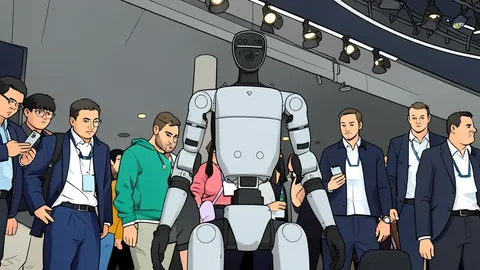
Tesla has begun a new round of supply chain audits in China to push its Optimus humanoid robot toward mass production. According to reports from CnEVPost, the company is visiting factories in the Yangtze River Delta region to verify that suppliers can meet the rigorous standards required for high-volume manufacturing.
The move signals a shift from prototype development to industrial scale. Several Chinese firms, including Tuopu Group and Sanhua Intelligent Controls, have already secured orders for components such as joint modules and actuators. These audits are the final step before these suppliers begin full-scale production for the robot's third-generation model.
Existing auto suppliers lead the effort
The audits are focused on companies in Ningbo, Hangzhou, and Shanghai, most of which are already part of Tesla’s automotive supply chain. This strategy leverages existing relationships and infrastructure, reducing the risk associated with onboarding new partners. The selected firms provide core electromechanical parts, including precision structural components and dexterous hand mechanisms that are critical for the robot's functionality.
By relying on established suppliers, Tesla aims to streamline the production process and ensure consistent quality. The audits assess not just the components themselves, but the entire production line’s ability to maintain automotive-grade standards. This includes evaluating cycle times, yield rates, and the suppliers' capability to manage their own tier-two vendors.
Capacity plans target one million units
Tesla is preparing two major production lines for the Optimus robot. The Fremont plant in California has already converted its former Model S and Model X line into a dedicated facility with a planned annual capacity of one million units. A second line is being prepared at the Texas Gigafactory, with a long-term goal of producing up to ten million units per year, expected to begin operations around summer next year.
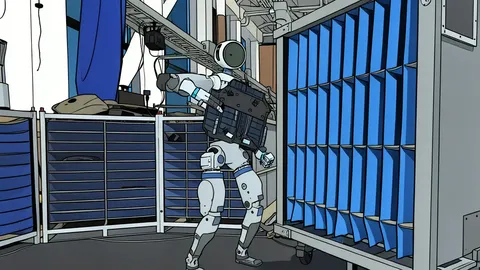
However, scaling production remains a significant challenge. Tesla CEO Elon Musk has described the Optimus as the hardest product to scale in the company’s history. The primary difficulty lies in achieving the necessary precision and consistency at such a high volume. The initial focus will be on industrial tasks like material handling, where reliability is paramount.
Competition drives the urgency
The push for mass production is also driven by intense competition. Musk has stated that Tesla’s biggest rivals in the humanoid robot sector will come from China. This pressure necessitates a rapid transition from prototype to product. The audits are therefore not just a quality check but a strategic move to secure a competitive advantage in a fast-evolving market.
The trade-off for Tesla is a heavy reliance on Chinese manufacturing capabilities for its core robotics components. While this ensures access to advanced electromechanical expertise, it also introduces supply chain complexities and geopolitical considerations. The success of the Optimus will depend on Tesla’s ability to manage these relationships effectively while maintaining its production targets.