Toyota Plans 400,000 Wheeled Robots for Factories
Toyota is preparing to integrate a large fleet of wheeled humanoid robots into its global production lines, aiming for a collaborative workspace rather than full automation.
Toyota Motor Corporation has outlined a major shift in its manufacturing strategy, planning to deploy 400,000 self-developed humanoid robots across its global facilities. This initiative, reported by the Nihon Keizai Shimbun, marks a significant step toward a production environment where machines and human workers operate side by side in the same physical space.
The rollout will coincide with scheduled renovations at the company’s plants, with annual investments estimated at one trillion yen starting after 2028. Of the total units, 150,000 are allocated to Toyota headquarters, while 250,000 will be distributed to group affiliates. The robots, named "Ellie," are designed for specific industrial tasks rather than general-purpose mobility, relying on wheeled bases instead of bipedal legs to navigate factory floors.
Wheeled design prioritizes stability
Unlike many humanoid concepts that attempt to walk, Ellie moves on wheels and operates via battery or power cord. This design choice trades dynamic range for stability and energy efficiency, which are critical in a controlled industrial setting. The robot weighs 50 kilograms and features a two-fingered hand, a configuration that simplifies mechanics and reduces cost compared to fully articulated human-like hands.
The trade-off for this simplified dexterity is a narrower range of motion. However, the system is built to learn complex, delicate tasks such as picking up small metal parts from boxes or folding fabric. By focusing on wheeled movement, Toyota avoids the high failure rates and energy consumption associated with balancing on two legs, ensuring the robots can remain productive for longer shifts.
Learning from skilled artisans
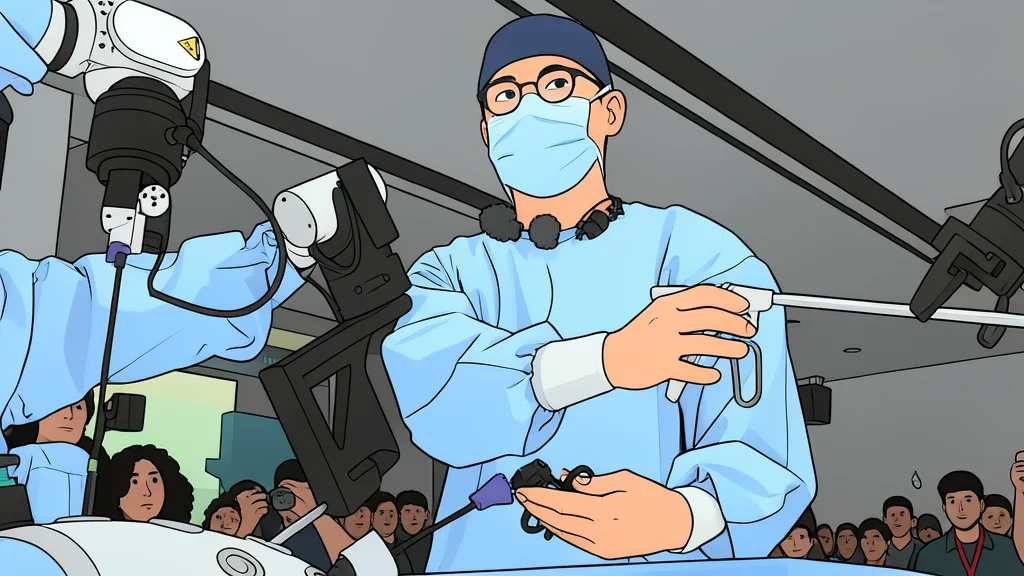
The robots are currently acquiring skills by observing and mimicking the movements of on-site workers. In a recent demonstration in Europe, the system showed it could fold clothes after 1,500 learning sessions over two weeks. This process involves workers wearing finger-shaped tools that help the robot understand the precise force and motion required for routine tasks, effectively transferring the tacit knowledge of experienced staff to the machine.
Toyota intends to leverage its 60 global production sites as testing grounds, combining this real-world data with the expertise of its 18,000 skilled workers, known as Takumi. The company’s waste-free production system will also guide the robots’ efficiency. The plan is to centralize the learning data and distribute it to robots in other countries, creating a shared knowledge base that improves performance globally.
Coexistence rather than replacement
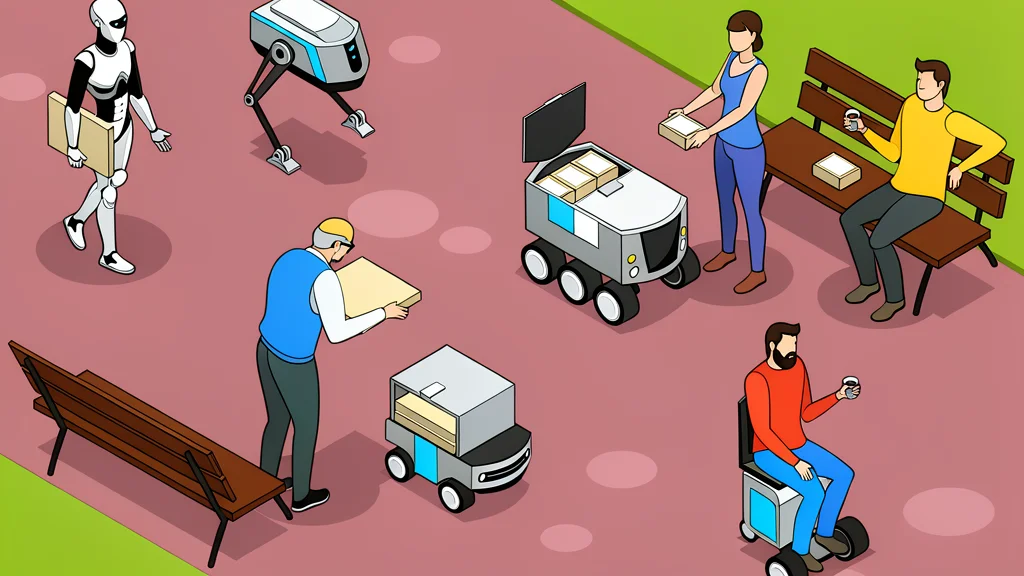
Company executives emphasize that these machines are not intended to replace human labor. Hiroki Nakajima, Executive Vice President, stated that the goal is a world where robots coexist with humans. The robots are expected to handle repetitive or physically demanding tasks, freeing up workers for higher-value activities. In the future, the system may even take on the role of training new employees, standardizing best practices across the network.
This approach addresses the labor shortages and safety concerns common in heavy manufacturing. By integrating robots into the workflow rather than replacing the workforce, Toyota aims to create a more resilient production system. The deployment represents a practical application of robotics in industry, focusing on reliability and collaboration over speculative autonomy.