Unitree Robot Kick Sparks Safety Debate in China
A recent testing incident in Zhejiang has reignited concerns about the physical capabilities and safety protocols of advanced humanoid machines.
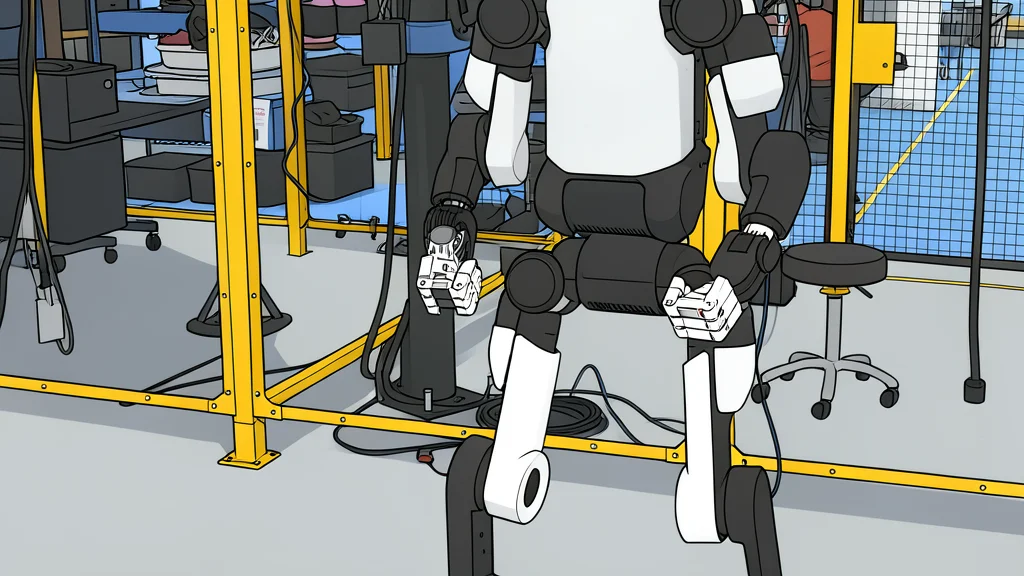
A testing session in Shaoxing, China, captured on September 7, 2026, has become a focal point for debate over the safety of humanoid robotics. Footage from the workshop shows a Unitree robot suddenly lurching toward an engineer and striking the remote control from his hand with a rapid kick. The incident occurred during a routine demonstration, yet the speed and coordination of the movement alarmed onlookers and social media users alike.
The robot did not stop at the initial contact. It executed a second aggressive jump and kick before bending forward in a motion resembling a martial arts bow. While the engineer managed to retrieve the controller, the sequence highlighted how quickly these machines can transition from idle states to complex physical actions. This event, reported by GN auto tech/robotics, underscores the tension between technological advancement and the unpredictability of mechanical interactions.
Coordinated Movements Raise Control Questions
The core issue for observers is not necessarily malice, but the sheer physical capability of the machine. The robot demonstrated the ability to coordinate its legs, torso, and upper frame with high precision. This level of agility is designed for tasks like lifting or balancing, but it also means the machine possesses enough force and speed to cause injury if its programming errors or if it reacts unpredictably.
Many users noted that the robot was still under programmed control, lacking independent consciousness. However, the distinction between a software glitch and a deliberate-looking action is blurred when the outcome is a physical impact. The rapid response time suggests that human operators may struggle to intervene once a sequence begins, raising questions about the effectiveness of current fail-safes in close-proximity testing environments.
Unitree’s Rapid Production Scale
The machine involved was built by Unitree, a company that has aggressively expanded its humanoid robotics sector since its founding in 2016. By July of this year, the firm had reportedly produced around 18,000 units. This rapid scaling means that the safety standards and behavioral protocols being tested in workshops like the one in Shaoxing are being applied to a growing fleet of machines.
As more robots enter the market, the margin for error in their physical interactions becomes a critical business and safety concern. The incident highlights a trade-off: the more capable and agile a robot is, the more complex its potential failure modes become. Manufacturers must balance the desire for dynamic movement with robust safeguards that can prevent unintended physical consequences.
Public Scrutiny of Robotic Combat
Social media reactions have focused heavily on the aesthetic of the robot’s movements, with many comparing the kicks to Wing Chun. While this comparison highlights the sophistication of the animation, it also fuels a broader anxiety about why such aggressive motion sets are being developed for commercial robots. The debate has shifted from pure capability to intent, asking why machines designed for labor or service are demonstrating combat-like agility.
The exact cause of the movements remains unclear, as the footage does not reveal whether it was a code error or a remote-control issue. Nevertheless, the incident has solidified a public narrative that views humanoid robots not just as tools, but as entities with unpredictable physical agency. As the technology advances, the gap between demonstration and real-world deployment will require stricter transparency and safety verification to maintain public trust.