Wonik Robotics Tests Wheeled Humanoids for Samsung Chip Plants

Wonik Robotics is conducting proof-of-concept tests to supply wheeled humanoid robots to Samsung Electronics' semiconductor facilities. The goal is to automate the delicate transport of silicon wafers, a task currently performed by human workers in highly sensitive cleanroom environments.
Wonik Robotics is currently testing wheeled robots with Samsung Electronics and other major semiconductor firms. Executive Director Kim Min-cheol disclosed these efforts at a recent industry forum in Seoul. The company aims to replace manual labor for moving wafers and materials within chip plants. This move represents a significant step toward automating one of the most critical and delicate tasks in semiconductor manufacturing.
Semiconductor Plants Demand Extreme Precision
The evaluation process by Samsung is rigorous and multi-staged. It begins with basic operational checks followed by extensive reliability testing. The primary challenge lies in the extreme sensitivity of the environment to vibration and dust. Even minute disturbances can ruin expensive silicon wafers, creating a high barrier for any new automation technology. The robot must demonstrate it can handle these variables without compromising product quality.
Despite the technical hurdles, passing this evaluation would secure a major corporate customer for Wonik Robotics. However, the initial supply volume is expected to be limited. The company has not disclosed specific timelines or quantities for the rollout. This cautious approach reflects the high stakes involved in introducing new machinery into such a critical supply chain.
Wheeled Design Balances Stability and Speed
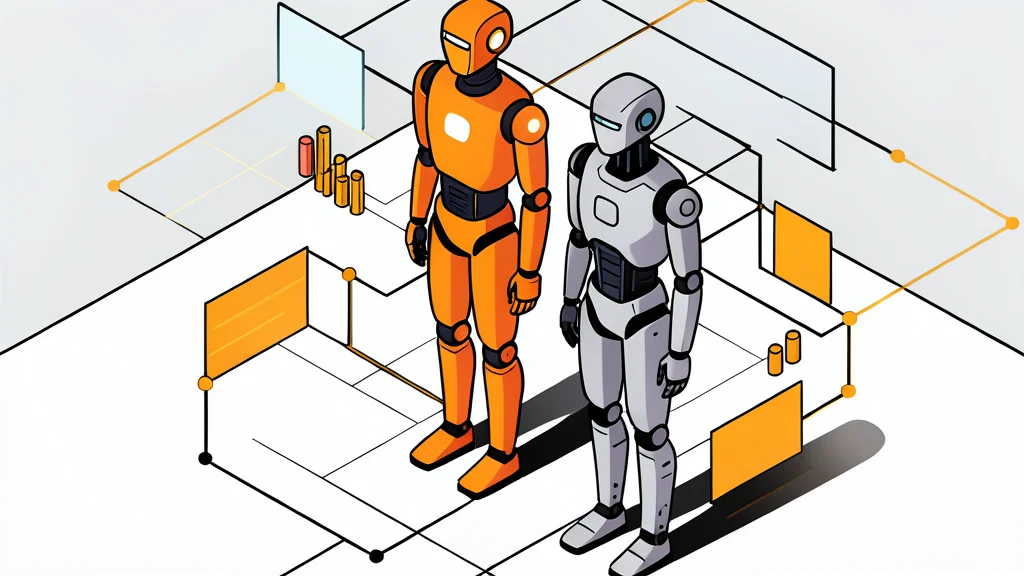
Unlike bipedal humanoids, Wonik’s robot uses wheels for locomotion. It features a human-like upper body but moves on a wheeled base. This design choice prioritizes stability and speed over the complex balance required for walking legs. It is better suited for the flat, controlled environments of factory floors where precise, repetitive transport is required.
Five-Fingered Hand Uses AI Grip Control
The core innovation lies in the robotic hand, which is developed in-house. It features five fingers, a choice made to ensure a stable grip on fragile objects. A four-finger design was considered but rejected to maximize safety. Sensors embedded in the hand detect the object's type, material, and weight. An AI system then adjusts the grip strength in real-time, applying more force to heavy items and gentler pressure to fragile ones.
This AI-based recognition is powered by proprietary data accumulated over more than a decade in the robotic hand business. The company is also preparing for mass production at a new facility in Wanju, North Jeolla Province. This move signals a shift from component supply to full robot integration, marking a significant expansion in their operational scope.
High Costs and Limited Initial Scale
Robotic hands remain one of the most expensive and technically challenging components in humanoid robotics. They require the highest level of precision and control. While Wonik Robotics currently builds the entire robot, it may eventually source other components externally to reduce costs. The initial deployment will be small-scale, serving as a proof of concept before broader adoption.
The success of this project depends on the robot’s ability to consistently meet the stringent standards of semiconductor manufacturing. If successful, it could pave the way for wider automation in cleanroom environments. However, the trade-off remains: high precision and safety come at a significant cost and require extensive validation before scaling up.