Cats Use Stable Urine Chemicals to Identify Each Other
Researchers have identified a group of unusual fatty acids in cat urine that act as a durable chemical signature, allowing cats to distinguish individuals even months after a scent mark is left behind.
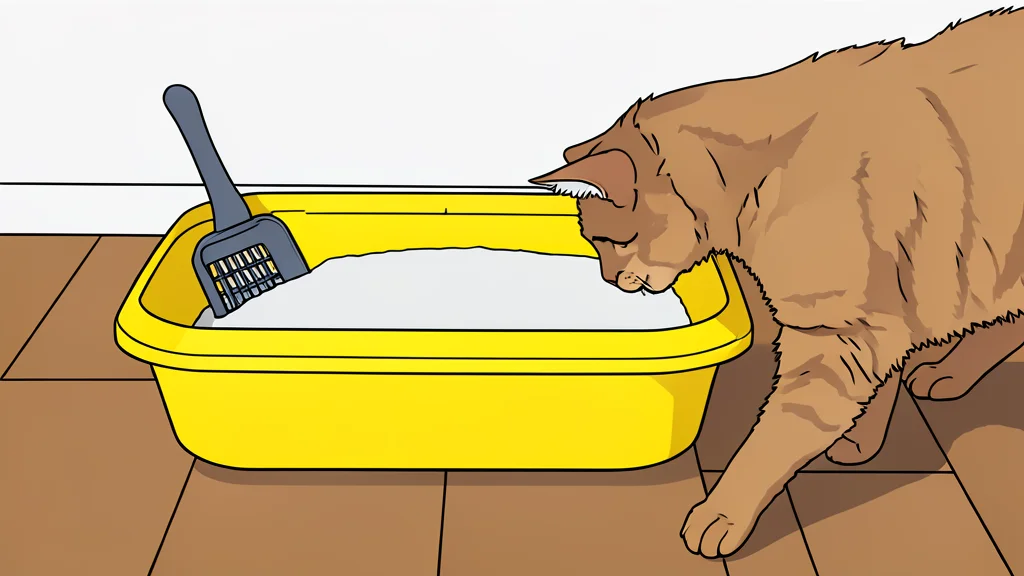
Cats rely heavily on scent to navigate their social world, often gathering information from urine marks left in their environment. However, most odor molecules evaporate or degrade quickly, creating a puzzle for how animals can recognize specific individuals over time. A new study led by Iwate University suggests that cats possess a hidden chemical ID card composed of stable compounds that persist long after other scents have faded.
The discovery involves thirteen branched-chain fatty acids, a group of molecules not previously documented in mammalian excretions. Unlike volatile scents that change rapidly, these fatty acids form a consistent profile for each individual. This stability allows the scent to serve as a reliable calling card, helping cats maintain individual recognition despite the passage of time.
Behavioral tests confirm individual scent recognition
Before identifying the specific chemicals, the researchers needed to prove that cats could distinguish between urine samples from different individuals. In controlled experiments, cats spent less time investigating urine they had previously encountered. When a new sample was introduced, their interest and investigation time increased significantly. This pattern indicates that cats do not just smell a generic odor; they are recognizing specific individuals.
The study also highlighted the long-term memory aspect of this recognition. Cats showed reduced responses to familiar urine scents even after gaps of several months. They also displayed the flehmen response, an open-mouthed expression used to analyze odors, more frequently when encountering unfamiliar urine than their own. This behavioral consistency provided the necessary evidence to guide the chemical analysis toward specific lipid fractions.
Unusual fatty acids form stable profiles
Using the cats' behavioral cues, the team isolated a fraction of urine lipids containing the thirteen branched-chain fatty acids. The key finding was not just the presence of these compounds, but the unique ratio of each acid in every cat. While the specific mixture varied between animals, it remained consistent for the same individual across different sampling dates. This stability is what allows the scent to function as a reliable identifier.
The research suggests a genetic component to these scent profiles, as related cats tended to have more similar patterns. However, each animal still maintained a distinct signature. The trade-off of this system is that while it offers durability, it relies on the continued presence of these specific fatty acids, which may be influenced by diet or health conditions not fully explored in this study.
Implications for understanding feline communication
The findings, reported by ScienceDaily and scheduled for publication in Current Biology, offer a new perspective on feline social behavior. It suggests that cats use a sophisticated chemical language that is more durable than previously thought. This system likely allows them to maintain social structures and recognize kin or rivals without constant direct contact.
While the study focuses on domestic cats, the mechanism may be shared across the cat family. Understanding this chemical ID card could help in managing cat colonies or interpreting conflicts between stray cats. The catch remains that these chemical signatures are subtle and require specialized analysis to detect, meaning human observers still find it difficult to decode these interactions without scientific tools.