Cattle Wear Rubber Masks to Track Methane in Real Time
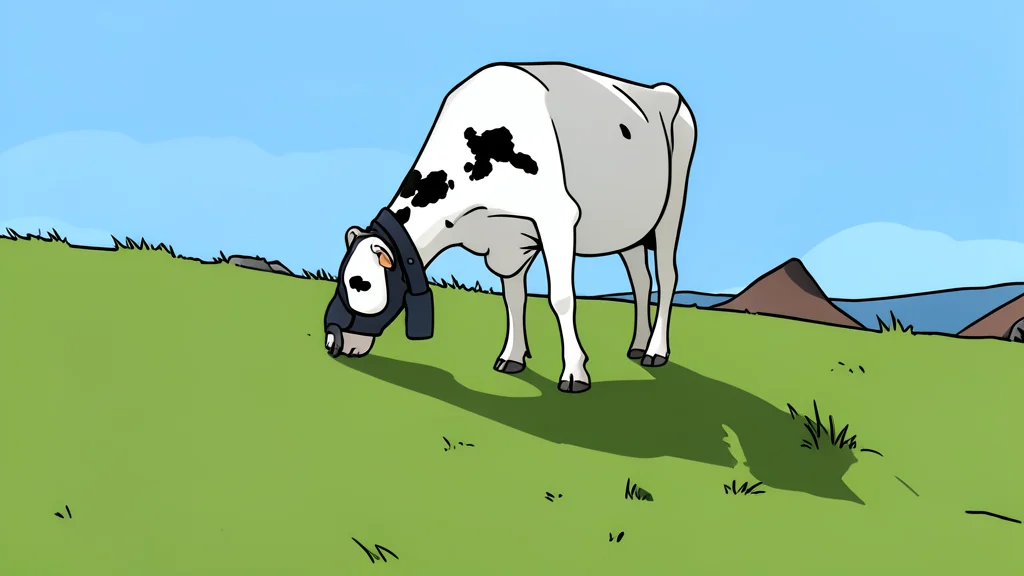
A new wearable device allows farmers to monitor livestock methane emissions continuously without removing animals from the pasture.
A new wearable device designed for cattle is offering farmers a direct way to measure methane emissions in real time. The technology, described as a waterproof rubber sock that fits over an animal's snout, collects data on gas concentration and airflow to provide hourly emission estimates. This approach addresses a long-standing challenge in agriculture: quantifying the greenhouse gas output of grazing livestock without relying on expensive laboratory equipment.
The device, known as ZELP Sense, was developed with support from the Global Methane Hub. It works by positioning a nozzle above the animal's nostrils to sample outgoing air. According to reports from GN auto tech/wearables: wearable tech, this continuous monitoring allows for a more accurate picture of individual animal emissions compared to previous methods that required cattle to visit fixed feed stations.
How the wearable device operates
The system is designed to be unobtrusive, allowing cows to continue eating and drinking normally while wearing it. The rubber casing protects the internal sensors and ensures the fit remains secure on the animal's head. Data collected by the device is transmitted to a smartphone app, giving farmers immediate access to emission metrics. This real-time feedback loop is intended to help identify which animals produce higher levels of methane, enabling more targeted management strategies.
Economic and environmental stakes
In Australia, ruminants contribute significantly to national greenhouse gas emissions, with estimates suggesting they account for over ten percent of the total. The Australian Climate Council highlights agriculture as a major source of methane pollution. For the industry, this new technology offers a way to validate mitigation techniques, such as using low-methane genetics or adding specific feed supplements like native seaweed. By providing concrete data, farmers can demonstrate tangible progress in reducing their environmental footprint.
Industry response and limitations
Industry leaders argue that livestock emissions are often unfairly lumped together with fossil fuel consumption in public discourse. A representative from Cattle Australia noted that the new device helps distinguish the specific nature of biological emissions. However, the technology is not a silver bullet. The device must be fitted to each animal, and while it removes the need for costly lab analysis, it still requires ongoing data management and interpretation. The goal is to create a clearer, more defensible baseline for measuring emissions across herds.