Diraq and Dell Integrate Silicon Qubits into Classical Servers
A new partnership aims to embed quantum processors directly inside standard data center racks, removing the latency bottlenecks that have kept quantum computing out of commercial enterprise infrastructure.
Silicon spin-qubit developer Diraq and enterprise hardware giant Dell Technologies have announced a technical collaboration to integrate quantum processing units with classical High-Performance Computing infrastructure. The core objective is to solve the physical and network latency barriers that currently prevent quantum accelerators from operating effectively within commercial data centers. By placing the quantum hardware in the same physical location as the classical servers, the partners aim to enable real-time execution loops that are impossible with remote quantum services.
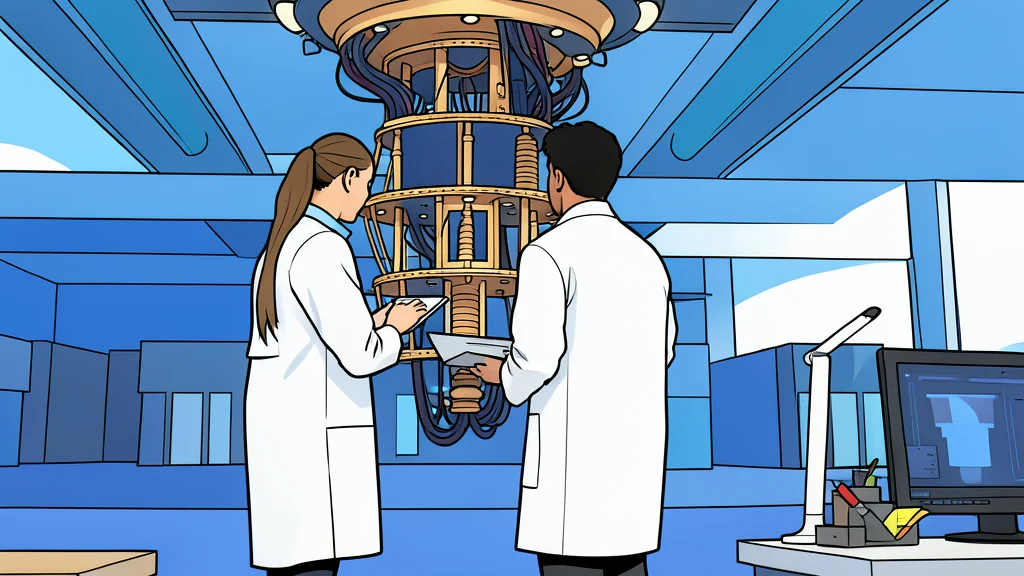
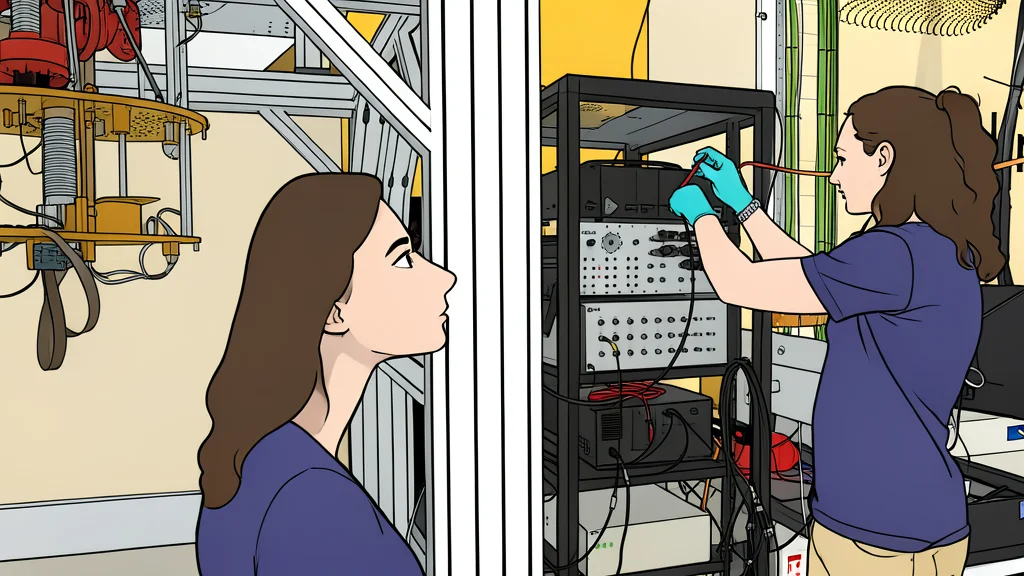
This initiative marks a shift from theoretical quantum advantages to practical, co-located engineering challenges. The setup involves a dedicated Dell HPC server cluster installed directly inside Diraq’s Sydney laboratory, situated immediately next to the silicon spin quantum hardware. This physical proximity allows for ultra-low latency signal exchange, which is critical for the immediate feedback and calibration required by quantum error correction protocols. According to reporting from GN auto tech/hardware: computing hardware, this structural compatibility leverages standard CMOS semiconductor processes to bridge the gap between exotic quantum physics and standard enterprise IT.
Co-located Hardware Reduces Latency
The primary technical hurdle in hybrid quantum-classical computing is often the speed of communication between the two systems. Quantum states are fragile and require immediate control signals to maintain coherence. By co-locating the Dell server cluster with the Diraq QPU, the partners minimize the physical distance signals must travel. This setup supports automated real-time qubit calibration and tuning without the delay associated with remote connections. The focus is on creating a tight, high-speed integration that allows classical software to manage quantum operations in near-real-time.
The collaboration also addresses the software orchestration layer. Dell’s hybrid task scheduling software is being adapted to automate measurement processing and feed-forward corrections. This means the system can handle the complex logic of near-term quantum error correction without requiring bespoke, hard-coded models for every specific task. The goal is to create a standardized interface where classical HPC resources can seamlessly manage the volatile nature of quantum qubits, making the technology more accessible to developers who do not specialize in quantum control physics.
Targeting Enterprise Application Scenarios
The partners are evaluating this hybrid architecture for specific high-value commercial applications. Target areas include large-scale optimization problems, supply chain logistics, financial portfolio modeling, and AI-accelerated molecular drug discovery. These tasks benefit from the parallel processing capabilities of quantum hardware when combined with the massive data throughput of classical HPC clusters. The silicon spin-qubit technology used by Diraq is fabricated via standard CMOS processes, which suggests a potential path for scaling to millions of qubits per chip using existing semiconductor manufacturing infrastructure.
However, the trade-off of this approach is the significant capital investment and physical space required for co-location. Unlike cloud-based quantum services, this model demands that the quantum hardware be installed within the customer’s or partner’s data center environment. This limits the immediate accessibility for smaller organizations that lack the infrastructure to host such specialized equipment. Furthermore, while the integration solves latency issues, it does not yet solve the fundamental challenge of quantum error rates, which remain a major barrier to widespread commercial utility. The current testbed is a proof-of-concept for integration, not a finished product ready for mass deployment.
Standardization Enables Future Scaling
A key strategic advantage of this partnership is the alignment with standard enterprise computing platforms. Diraq’s use of silicon spin-qubits, compatible with CMOS foundry processes, offers a different pathway than superconducting or trapped-ion approaches, which often require bespoke cryogenic or vacuum infrastructure. By embedding these quantum units into standard rack infrastructure, the partners hope to reduce the barrier to entry for integration. This standardization could allow for a more modular approach to quantum computing, where quantum accelerators are treated as another type of specialized processor within a mixed-compute environment, rather than a completely separate and isolated technology stack.