Air Purifiers Become Smart Home Hubs
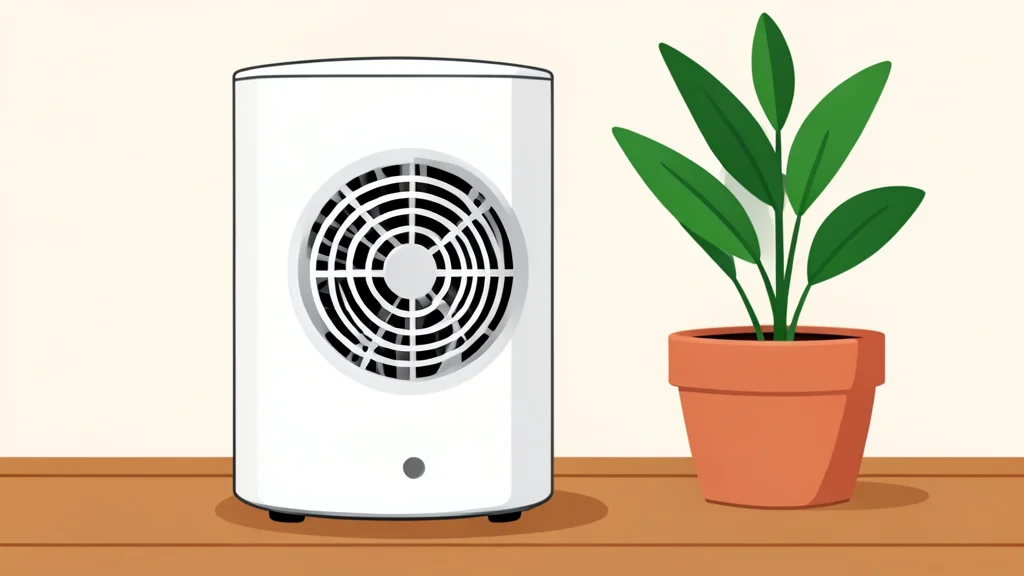
Household air purifiers are transforming from simple filters into connected systems that automatically adjust to changing indoor conditions, marking a significant shift in home wellness technology.
The global market for air purification is undergoing a fundamental change. Devices that once functioned solely as static filters are evolving into intelligent systems capable of monitoring and responding to real-time environmental shifts. This transition is driven by the integration of advanced sensors and automation, turning a basic appliance into a central node for managing indoor health.
According to data reported by GN technics/smarthome (en-US), the industry is expanding rapidly. Valued at approximately 18 billion dollars in 2025, the market is projected to reach 34.4 billion dollars by 2035. This growth reflects a broader consumer desire for proactive air quality management rather than passive cleaning.
From Passive Filters To Active Monitoring
Traditional air purifiers operated on a fixed schedule or manual setting. Modern units, however, utilize particulate sensors to detect fluctuations in air quality caused by cooking, dust, or outdoor pollution. When the system detects a spike in pollutants, it automatically adjusts the fan speed to compensate. This creates a dynamic response loop that maintains cleaner air without requiring constant user intervention.
The addition of software and connectivity changes the product proposition entirely. Consumers are no longer just buying hardware; they are purchasing a platform that combines filtration, sensing, and digital control. This allows for remote monitoring via smartphone apps, providing real-time data on indoor conditions. The trade-off is a higher initial cost and a greater reliance on digital infrastructure for basic functionality.
Major Players Drive Technological Integration
Leading manufacturers are accelerating this trend by embedding deeper smart capabilities into their products. Brands like Dyson and Xiaomi have expanded their portfolios to include devices that seamlessly integrate with existing smart home ecosystems. These models often feature quieter motors and energy-efficient operation, addressing common complaints about noise and power consumption in older generations of purifiers.
This convergence of consumer electronics and environmental management is reshaping the category. The focus is shifting from raw filtration capacity to user experience and automation. As these devices become more sophisticated, the barrier to entry for consumers increases, requiring a willingness to manage and update connected devices.
Market Growth Reflects Health Awareness
The projected growth of the sector is closely tied to rising awareness of indoor air quality. As people spend more time in enclosed spaces, the demand for measurable and automated air management is rising. The market is moving toward multifunctional products that serve as both wellness tools and smart home components, solidifying their place in everyday household management.