UBTech's New Factory Rolls Out Humanoid Robots Every Ten Minutes
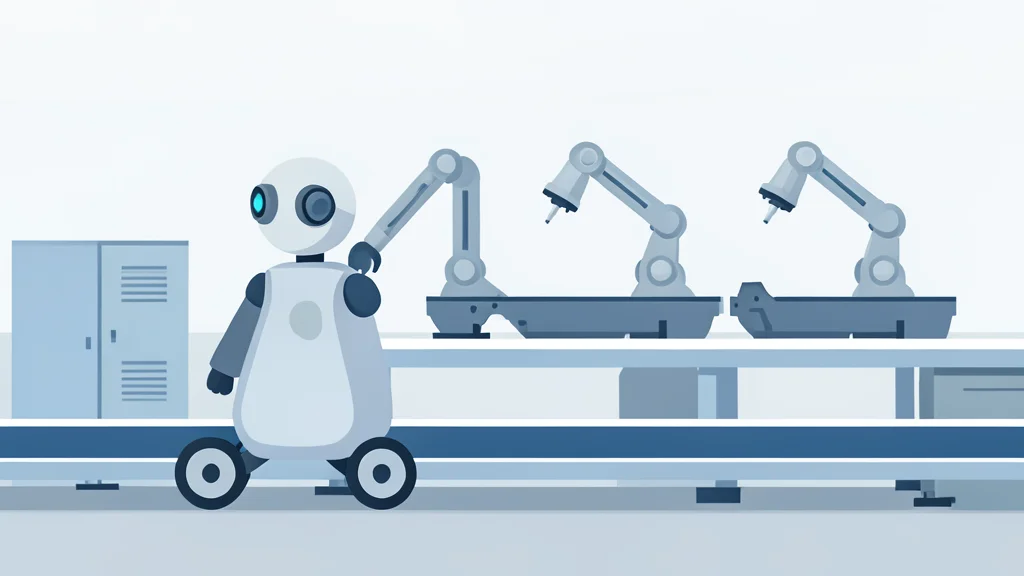
A new facility in China claims to produce a humanoid robot every ten minutes, blending wheeled assistants with traditional automation to scale output.
China has moved a step closer to mass-producing humanoid robots with the launch of a new manufacturing facility in Liuzhou. The plant, operated by UBTech, began operations on September 12 and is designed to output one unit every ten minutes. This rapid cycle time marks a significant shift from the slow, bespoke assembly lines that have characterized the industry until now, signaling a push toward commercial viability.
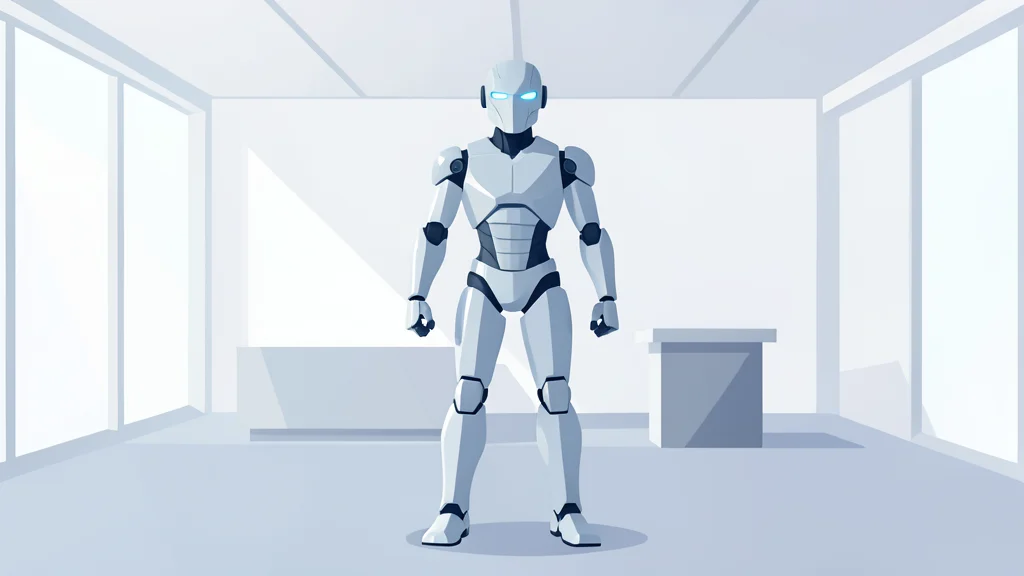
The facility covers 14,000 square meters and stands nearly 14 meters high. It is primarily dedicated to producing the Walker S Series and Cruzr Series, which are embodied intelligence robots intended for industrial use. While the headline figure is impressive, the process is not entirely robotic. The production line combines these new humanoid units with conventional automated systems to handle the intricate tasks required to build a complex machine.
Robots Building Robots on the Line
The most visible aspect of the new factory is the presence of humanoid robots performing their own construction. Cruzr units, which are wheeled rather than bipedal, handle material transport, depalletizing, and loading tasks. They work alongside human operators, moving heavy components and managing logistics within the plant. This setup demonstrates a practical application of the technology, where the robots are not just products but also part of the workforce.
However, the delicate assembly work is still performed by traditional robotic arms. Collaborative arms on rotating stations are responsible for driving over two thousand screws into each unit. These screws vary in specification, with roughly 50 different types used in a single robot. This division of labor highlights a current limitation: while humanoids can handle bulky, repetitive tasks, precision fastening still relies on proven, dedicated automation. The trade-off is reliability; using established tools for critical assembly reduces the risk of manufacturing defects that could compromise the final product.
Digital Twins and Quality Control
Before the physical factory was built, UBTech created a digital twin of the entire operation using Siemens Plant Simulation software. This virtual model allowed engineers to debug the production line and optimize workflows before any steel was cut. By simulating the process, the company could identify bottlenecks and inefficiencies in a risk-free environment. This approach reduces the startup learning curve and helps ensure that the ten-minute cycle time is achievable from the very first day of operations.
Quality assurance is another critical component of the new process. Each robot leaves the line with a serial number that logs the origin of its parts, the method of assembly, and its performance in four hours of stress testing. This detailed traceability is essential for maintaining standards at scale. As production speeds up, the ability to identify and recall specific components becomes vital for safety and customer trust.
Financial Bet on Future Demand
The expansion is a significant financial gamble. In the first half of this year, UBTech sold just over 900 full-size humanoids, a figure nearly twenty times higher than the previous year. Despite this growth, the company reported a loss of 339 million yuan. The new factory is a bet that demand will continue to surge, with a target of producing 10,000 units by 2026. As reported by GN auto tech/robotics sources, this capacity represents a major leap in ambition, aiming to move the technology from a niche industrial tool to a mainstream manufacturing asset.