Bell Canada Expands AI Data Centers in Saskatchewan
Bell Canada is quadrupling its sovereign AI capacity in Saskatchewan to 1.2 GW over the next decade, taking a low-risk approach by leasing infrastructure rather than owning the expensive chips.
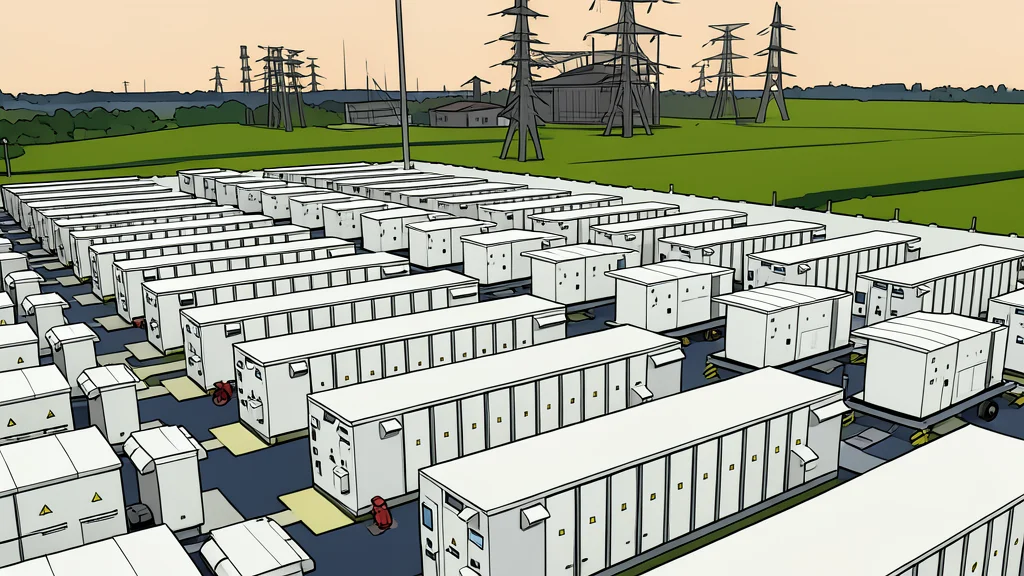
Bell Canada is set to significantly expand its artificial intelligence infrastructure in Saskatchewan, planning to add 900 megawatts of new computing capacity. This addition will bring the total planned footprint in the province to 1.2 gigawatts, effectively quadrupling the operator's current AI data center presence. The first stage of this project, comprising 300 megawatts, is already scheduled to go live in the first half of 2027, with the remaining capacity expected to be operational within ten years.
The expansion is part of Bell’s broader strategy to build a sovereign AI foundation for Canada. By securing a large share of the domestic market early, the company aims to provide a secure and independent platform for businesses and government entities. This move allows Canadian organizations to deploy AI models without relying on foreign infrastructure, ensuring data stays within national borders while supporting local economic growth.
Selling space not chips
A key distinction in Bell’s strategy is its refusal to enter the high-risk GPU-as-a-service market. Instead of purchasing expensive graphics processing units and managing the complex electronics inside the data centers, Bell is focusing on building the physical shells and leasing that space to tenants. This approach, often described as a
Analysts at TD Cowen note that this model reduces financial volatility for Bell. While other providers might lose money if chip prices drop or demand shifts, Bell’s revenue is tied to the occupancy of its facilities. The company retains the flexibility to help tenants sell their compute resources, but it does not bear the direct cost of the hardware itself. This creates a more stable revenue stream compared to competitors who own the underlying AI chips.
High costs and long timelines
Despite the lower risk profile, the financial commitment is substantial. The initial 300 megawatt phase was estimated to cost 1.7 billion Canadian dollars. Extrapolating from that figure, the additional 900 megawatts would likely require another 5.1 billion Canadian dollars in capital expenditure. For a company with annual capital spending in the range of 3 billion dollars, this represents a major shift in its investment priorities.
The investment will become material to Bell’s finances starting around 2028. The company expects this new AI infrastructure business to generate roughly 525 million dollars in EBITDA over time. While this will not dominate its total revenue, it marks a significant new venture for the operator. The trade-off is a long build-out period and heavy upfront costs in exchange for a durable, long-term asset that avoids the rapid obsolescence of AI hardware.
Power and cooling constraints
The physical construction of these data centers is subject to strict environmental and energy requirements. The new 900 megawatt expansion will be powered by natural gas generation, developed by a partner, to meet the massive energy demands of AI workloads. This power source is chosen to ensure a stable and continuous supply, which is critical for the reliability of AI computing tasks.
To address concerns about water usage, the facilities will utilize closed-loop cooling technologies. These systems minimize the amount of water consumed by recirculating coolant rather than relying on large volumes of fresh water for heat dissipation. This approach aligns with Saskatchewan’s Responsible Data Centre Development Principles, aiming to balance high-tech growth with environmental stewardship in a region where water resources are a key consideration.