Skull Bone Marrow Contains Hidden Immune Hubs
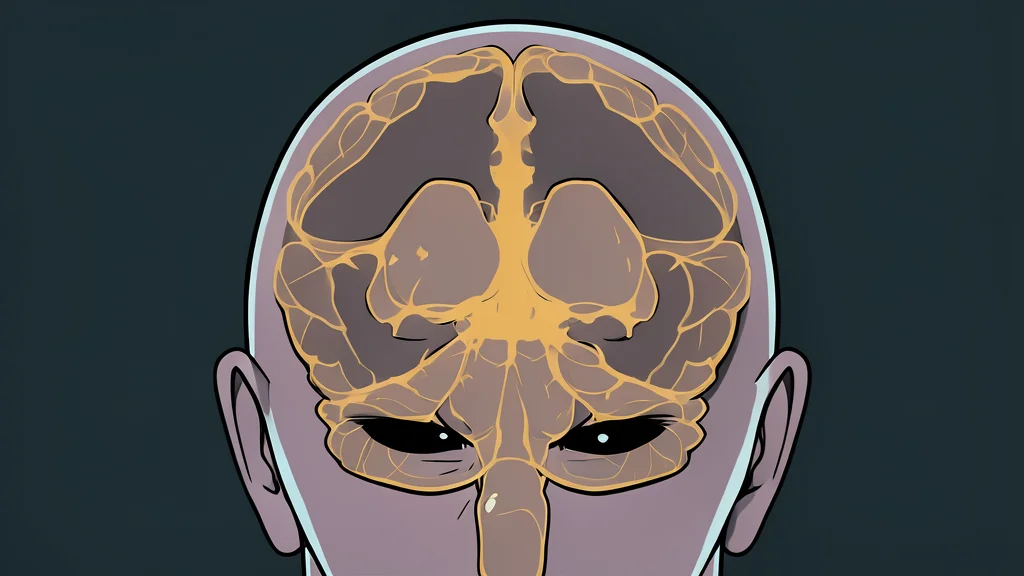
New research reveals that the skull houses specialized immune structures that act as a first line of defense against brain cancer, challenging previous assumptions about the brain's isolation.
Researchers have identified a previously unknown immune system component within the bone marrow of the skull. These structures act as rapid-response centers that detect and combat brain cancer before distant lymph nodes receive any signal of danger. The discovery suggests that the skull is not just a protective shell but an active participant in defending the brain.
The findings, reported by ScienceDaily, indicate that these local immune hubs can significantly improve tumor rejection and survival in mouse models. While the study was conducted on mice, similar immune cells have been observed in human skull bone marrow. This suggests that the defense mechanism may be a general feature of human anatomy, opening new avenues for targeted neurological treatments.
Breaking the Brain Isolation Myth
For decades, scientists believed the brain was largely cut off from the rest of the immune system due to the blood-brain barrier. Recent years have overturned this view, showing that the brain actively communicates with immune cells. The new study goes further by identifying organized immune structures inside the bone itself, resembling those found in traditional lymph nodes.
These structures are located in the bone marrow, which was previously thought to serve only as a structural framework and blood cell factory. The presence of T follicular helper cells and B cells in this area indicates a complex local immune network. This challenges the long-held notion that the brain relies solely on distant immune organs for protection.
Direct Channels Connect Brain and Skull
The communication between the brain and these skull-based immune hubs happens through tiny physical channels. These channels bridge the skull, the dura mater, and the brain tissue, allowing immune cells and cellular waste to travel directly. In the study, researchers tracked proteins moving from the brain through these channels into the bone marrow, where they triggered immune responses.
This direct route allows for a faster reaction time compared to waiting for signals to reach distant lymph nodes. The local nature of these hubs means the immune system can respond to threats in the brain with minimal delay. This efficiency is crucial for managing aggressive diseases like glioblastoma, where time is a critical factor in survival.
Local Defense Improves Cancer Outcomes
To test the practical impact of these hubs, scientists used a mouse model of glioblastoma, an aggressive brain cancer. They disrupted the skull immune hubs using a drug and observed the results. Mice with impaired local immune defenses saw tumors grow more quickly than those with intact hubs. This demonstrates that these structures are not merely passive bystanders but active defenders.
The trade-off for this localized defense is a new vulnerability. If these hubs are compromised or fail to activate, the brain loses a critical layer of protection. Understanding this mechanism could lead to therapies that strengthen the skull's immune response rather than relying solely on systemic treatments. This approach could offer a more targeted way to fight brain tumors with fewer side effects.