Apple’s Smart Home Hub with Face ID May Arrive Soon
Apple is reportedly close to launching a smart home hub that combines a screen, facial recognition, and its new AI assistant, potentially arriving as early as next month.
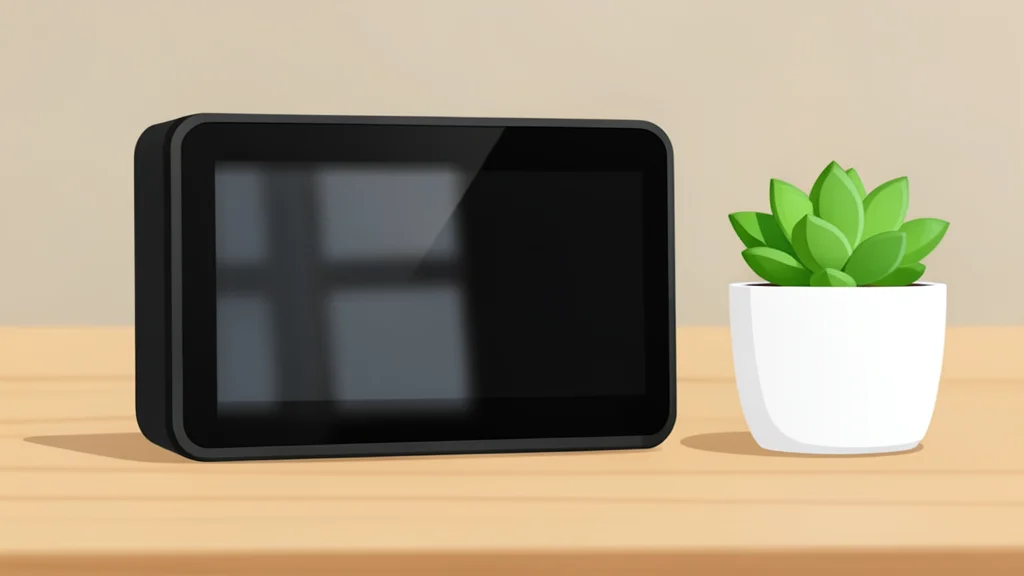
Apple is reportedly preparing to release its long-awaited smart home hub as early as next month, according to reports from iPhone in Canada. The device, known internally as J490, is described as a small, square screen that can sit on a stand or mount on a wall. It aims to position Apple more firmly in the living room, competing directly with existing smart displays from other tech giants.
This launch is considered a significant milestone for Apple’s current leadership. It is one of the few major hardware releases expected in the near term, alongside a rumored dual-screen iPhone. For consumers, the hub represents a shift from Apple’s previous strategy of keeping its smart home efforts limited to speakers and cameras, moving instead toward a central, interactive interface for household management.
Facial Recognition Without Depth Sensors
A key feature of the hub is its ability to recognize who is standing in front of it using a standard front-facing camera. Unlike the security-focused Face ID on iPhones, this system does not use a depth sensor. Instead, it identifies users to personalize the display, showing relevant notes, calendar events, or media preferences for that specific person.
This approach has broader implications for Apple’s other devices. The success of this simplified facial recognition on the hub suggests that Apple may eventually bring similar functionality to its other products, even those with limited physical space for complex sensors. This could mean a move away from fingerprint-based security on some future devices, offering a more modern, hands-free identification method.
Siri AI Powers the Interface
The hub runs on a new operating system built specifically around Siri AI. This version of Siri is designed to handle complex tasks, such as finding a specific image, playing a requested podcast, or updating notes across multiple devices. The interface blends elements from iOS, tvOS, and watchOS, featuring a home screen with widgets and clock faces similar to those on an Apple Watch.
The integration of Siri AI is the main reason for the device's delayed launch. Apple waited until the AI capabilities were robust enough to justify a dedicated screen. The hub is intended to work in sync with an iPhone, which handles the initial setup and acts as the primary anchor for the user’s digital life. This creates a seamless ecosystem where the home device extends the capabilities of the phone rather than replacing them.
Price and Availability Unknown
Despite the detailed reports, key details remain unclear. The price of the hub in Canada and other markets has not been announced, nor has a specific release date beyond the 'as early as next month' speculation. The device is currently being tested in the homes of Apple employees, which is a standard final step before a public launch.
The catch for potential buyers is that this device is part of a larger, multi-year strategy. Apple is aiming to make the hub a central piece of the household, but it is still missing a major component: a smart speaker with a camera and screen that rivals the Amazon Echo Show in size and feature set. Until that piece is in place, the hub may feel like a complementary device rather than a standalone replacement for existing smart home setups.