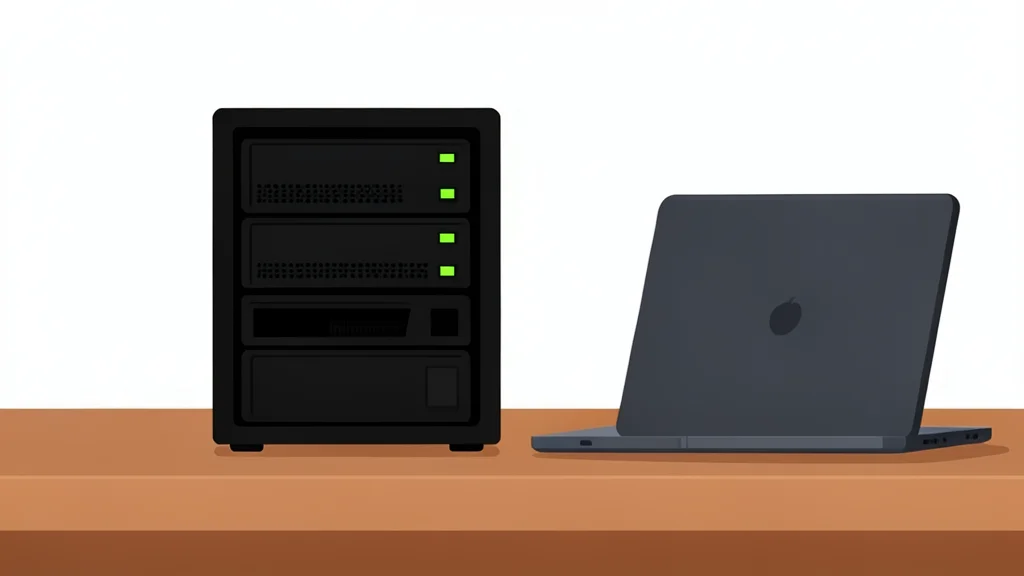
Old Routers Can Serve a New Purpose with Custom Firmware

A retired wireless router does not have to sit in a drawer. By replacing its standard software with an open-source alternative, users can unlock features that manufacturers often lock away, turning obsolete hardware into a specialized network tool.
Many home network enthusiasts find themselves with older routers that no longer fit their complex setups. For one user, a TP-Link Archer C6 became redundant after upgrading to a dual-WAN gateway and a managed switch. The device was not broken, but it had outgrown its role as the primary hub. However, the manufacturer’s default software prevented the user from repurposing the hardware effectively, leaving it stuck in a limited access point mode that disabled key features like custom DNS and full VPN capabilities.
The solution was not to buy new hardware, but to change the operating system. As reported by XDA Developers, the user wiped the stock firmware and installed OpenWrt, a free, open-source Linux-based system. This move transformed the router from a general-purpose device into a specialized tool. It allowed the hardware to function as a high-performance access point while retaining the ability to run advanced software packages that were previously inaccessible.
Stock Firmware Limits Advanced Features
Commercial router firmware is designed for a broad audience, prioritizing ease of use over flexibility. In this case, the TP-Link interface did not allow the user to configure the device as a dedicated access point without sacrificing critical functionality. The stock system treated the router as a standalone gateway, which created a conflict with the user’s existing network architecture. Adding another layer of network address translation would have degraded performance and complicated connectivity for devices behind the network.
This limitation forced a choice: either keep the device in a mode that made it less useful, or replace it entirely. For many users, the cost of new hardware is high, and the environmental impact of discarding working electronics is significant. The user’s frustration stemmed not from the hardware’s capabilities, but from the software’s refusal to let those capabilities be used in a different context. This is a common trade-off in consumer electronics, where convenience for the average user often comes at the expense of power user flexibility.
Open Source Software Unlocks Potential
OpenWrt provides a modular approach to networking, allowing users to install only the components they need. By flashing this firmware, the user gained access to a package manager that functions like an app store for network tools. This enabled the installation of specific utilities such as WireGuard for secure virtual private networking and AdGuard Home for network-wide ad blocking. These features are often absent from standard consumer firmware, not because the hardware cannot support them, but because manufacturers do not prioritize them for their target market.
The trade-off for this flexibility is complexity. Installing and configuring OpenWrt requires a deeper understanding of networking concepts than simply plugging in a router. Users must manage updates and configurations manually, and there is no customer support hotline if something goes wrong. However, for those with the technical knowledge, the result is a device that is significantly more capable and tailored to their specific needs than the factory-default version.
Performance Gains From Custom Tuning
Beyond adding new software, the custom firmware allowed for finer control over the router’s existing features. The user was able to optimize the Wi-Fi settings and manage bandwidth more effectively using additional tools like SQM and nlbwmon. These improvements meant that the older hardware performed better in its new role than it did as a primary router. The device finally utilized its full processing power and radio capabilities, which had been underutilized by the limited stock firmware.
This approach offers a practical alternative to constant hardware upgrades. By extending the life of existing devices through software modification, users can build more robust and efficient home networks. While this method is not suitable for everyone, it highlights a significant aspect of modern networking: the software often defines the hardware’s true potential. For those willing to invest the time, a simple firmware change can breathe new life into equipment that would otherwise be discarded.