ESP32 Display Cuts Home Assistant Dashboard Clutter
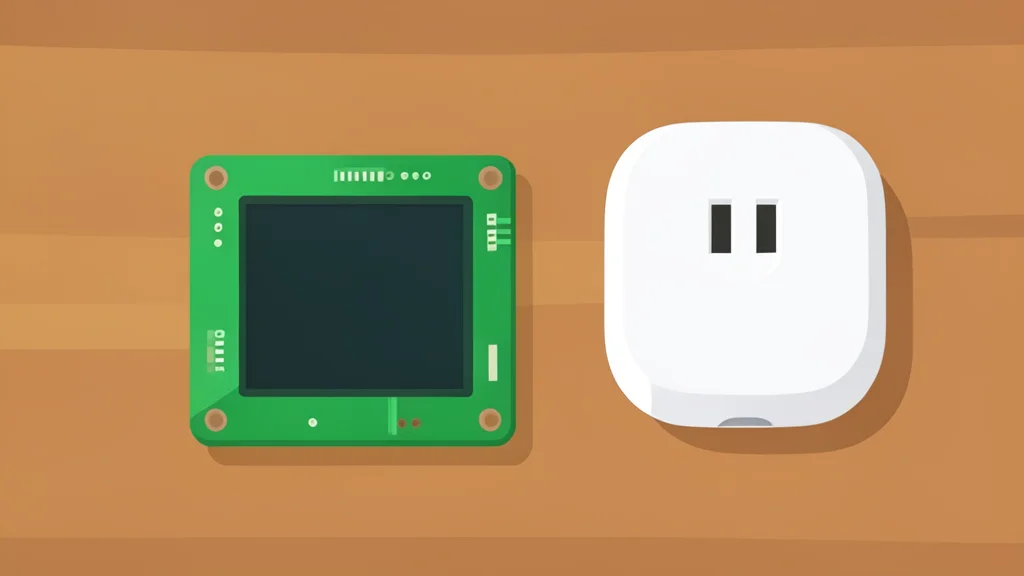
Replacing a full dashboard with a tiny ESP32 screen forces users to curate essential smart home metrics, reducing digital noise.
Key points
- Replacing a full Home Assistant dashboard with a 1-inch ESP32 screen reduces data overload.
- The limited display forces users to prioritize critical metrics like battery status and alarms.
- This minimalist approach decreases the habit of constantly checking phone apps for smart home data.
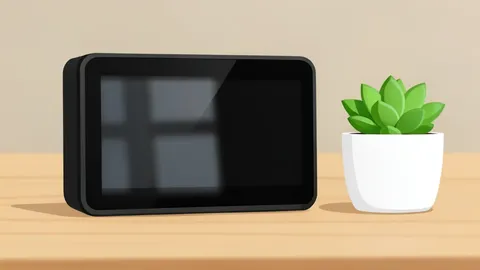
A DIY enthusiast has found that replacing a comprehensive Home Assistant dashboard with a tiny one-inch ESP32 display significantly changes daily interaction with smart home data. The shift away from a large, information-dense interface toward a minimalist screen has reduced the urge to constantly check energy statistics and service uptimes on a smartphone.
While the hardware itself is modest, the primary benefit is psychological and behavioral. By limiting the visible data to only the most critical metrics, the setup prevents the overwhelming influx of numbers that often accompanies advanced smart home configurations, such as solar generation, battery storage, and appliance usage.
Smart home data can become overwhelming
Modern smart home platforms like Home Assistant have become accessible to a wider audience, allowing users to integrate a vast array of devices through Zigbee, energy monitoring, and other protocols. This ease of setup often leads to a proliferation of data points, where simple tasks like tracking grid power draw evolve into complex calculations involving solar forecasts and battery optimization algorithms.
According to XDA Developers, this abundance of information can turn a helpful tool into a source of distraction. Users may find themselves obsessively monitoring minor fluctuations in energy savings or device statuses, which detracts from the intended purpose of the smart home: to simplify life rather than add another screen to watch.
Small screens force data prioritization
The constraint of a one-inch display acts as a filter, compelling the user to decide which data points are actually important. In this case, the essential metrics include the status of the home alarm system and the state of the battery storage, ensuring that the house has enough power for the day without needing to scrutinize granular historical data.
This approach aligns with the broader trend of using smart plugs and simple integrations to gain utility from non-smart appliances, such as washing machines reporting power usage. By focusing on high-level outcomes like program completion or battery charge levels, the system remains useful without becoming a data center that demands constant attention.
Minimalism reduces digital dependency
The trade-off for this minimalist approach is the loss of granular control and detailed historical analysis. Users must rely on automated scripts and background processes to manage complex tasks like optimizing battery charging during off-peak hours, rather than manually adjusting settings based on real-time feedback.
Ultimately, the value of the ESP32 display lies in its ability to curb the addictive nature of data monitoring. By presenting only the necessary status indicators, it encourages a more passive and reliable interaction with the smart home, allowing the technology to work in the background without demanding the user's constant focus.