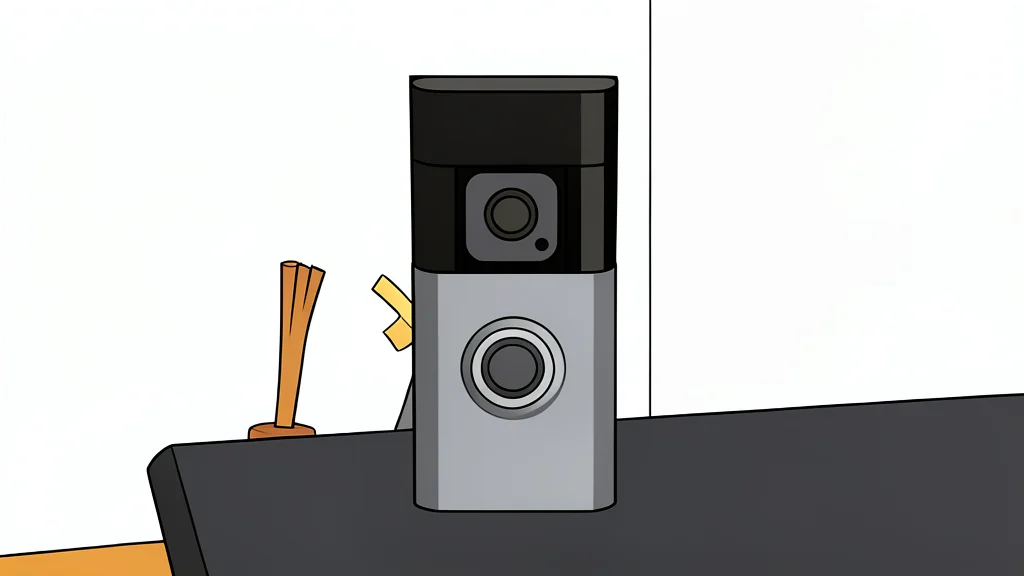
Aqara FP400 Sensor Offers Better Presence Tracking with Power Trade-Off

Aqara’s new multi-sensor aims to solve the smart home problem of lights turning off when you are still present, but it demands a constant power connection.
The long-standing promise of smart home technology is automation that responds to your physical presence, not just your movement. For years, devices relied on passive infrared sensors that fail when you sit still, causing lights to flicker off or systems to sleep while you are still in the room. Aqara is attempting to fix this with its new Multi-Sensor FP400, a device that uses millimeter-wave radar to detect breathing and subtle body shifts.
The core benefit of this technology is precision. Unlike older motion sensors, the FP400 can distinguish between a person and a pet or a moving toy, allowing for reliable triggers like turning on a stereo when you sit in a specific chair. However, as noted by GN technics/smarthome (en-US) in a review of the device, the upgrade comes with significant trade-offs, including the removal of battery power and a lack of major improvements over the three-year-old predecessor.
Radar Precision Replaces Basic Motion Tracking
The FP400 operates by emitting high-frequency radio signals that bounce off objects in the room. This allows the device to detect the rise and fall of a chest during breathing, confirming that a human is present even if they are completely stationary. The sensor can track up to ten people simultaneously, which is a doubling of the capacity found in the previous FP2 model.
This capability enables more nuanced automation rules. Users can define specific zones within a room to trigger different actions, such as adjusting climate control or lighting based on where a person is located. The device also includes a built-in light sensor, which allows it to adjust its behavior based on ambient brightness, reducing the need for separate components to create these scenes.
Constant Power Requirement Limits Placement
The most significant drawback of the FP400 is its power source. Unlike the battery-powered FP300, this model requires a constant connection to a USB-C cable. This eliminates the flexibility of mounting the sensor anywhere on a wall or ceiling without access to an outlet. For users who want to place the device in a hallway or a room without convenient power, this is a major inconvenience.
While the device connects via Thread or Zigbee protocols, it does not require an internet connection for daily operation. This local connectivity ensures that automations trigger quickly without relying on cloud services. However, switching between these wireless protocols requires a firmware swap, a process that takes several minutes and may be tedious for users who are not technically inclined.
Setup Process Demands Room Calibration
Getting the sensor to work correctly is not as simple as plugging it in. After pairing with a hub, users must walk around the perimeter of the room to help the sensor learn the physical boundaries of the space. The device then needs to learn what the room looks like when empty, a process that requires the user to leave the area for a period of time.
Once calibrated, the system can filter out false positives from pets or robot vacuums using an AI-enhanced detection mode. While this feature reportedly works well in testing, some automation triggers were described as finicky and unreliable. Additionally, the sensor lacks posture detection, meaning it cannot distinguish whether a person is standing, sitting, or lying down, a feature that competitors are beginning to offer.