China Links Smart Home Growth to National Subsidy Programs
Beijing is pushing a coordinated strategy to upgrade household technology, moving the focus from single gadgets to integrated systems that address aging populations and broader lifestyle needs.
For a couple in Guangxi, replacing an aging air conditioner meant more than just cooler air. The new unit responds to voice commands and allows their daughter to adjust settings remotely from another province. This personal upgrade, facilitated by a government trade-in scheme, illustrates a broader shift in China’s consumer market. The country is moving beyond isolated appliance replacements toward creating connected household ecosystems.
On Monday, eight government departments released an action plan to accelerate this transition. The initiative aims to expand high-quality supply and improve application scenarios for smart home products. It specifically targets the needs of elderly residents and seeks to streamline the recycling of used goods. By linking technology upgrades to national fiscal support, Beijing is trying to turn individual purchases into a structured push for modernizing the entire home environment.
Policy drives the shift to connected living
The plan outlines seven key measures, including improving standards for device interoperability and supporting elderly-friendly renovations. According to GN technics/smarthome (en-US), this represents a strategic pivot from meeting basic needs to pursuing quality experiences. Industry analysts note that consumers are increasingly looking for proactive intelligence rather than passive response. The government wants manufacturers to develop products that work together seamlessly, creating a unified digital home rather than a collection of standalone devices.
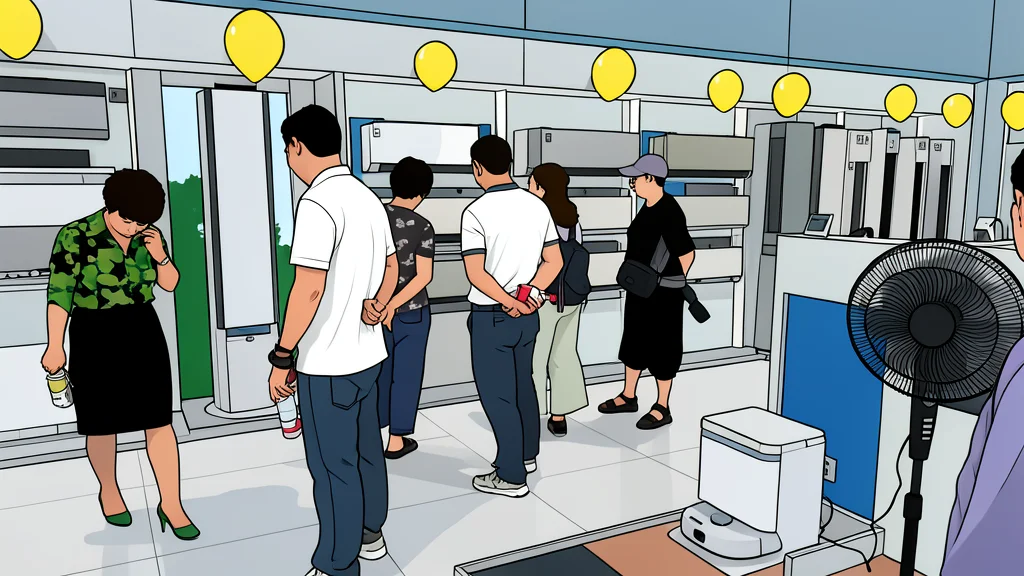
To make these systems accessible, the plan encourages the creation of smart home experience centers in retail spaces. Shoppers can test whole-home setups before buying, which helps bridge the gap between complex technology and daily use. The initiative also calls for mandatory national standards on connectivity, ensuring that devices from different brands can communicate effectively. This standardization is critical for preventing fragmentation in the market.
Subsidies and recycling reshape market incentives
Financial support is a cornerstone of the strategy. China plans to allocate 250 billion yuan in special treasury bond funds to support the nationwide trade-in program. Local governments have the flexibility to design specific subsidy categories based on their regional needs. This fiscal injection aims to lower the barrier to entry for consumers upgrading their homes. It also incentivizes businesses to combine the delivery of new products with the collection of used ones, creating a circular economy for household goods.
The catch, however, lies in the execution of these interconnected goals. While subsidies lower upfront costs, the requirement for standardized connectivity may slow the release of proprietary devices. Manufacturers must balance innovation with compliance to access the market. Additionally, the push for elderly-friendly features requires careful design to ensure usability without complexity. The trade-off is a slower, more regulated rollout in exchange for a more cohesive and accessible smart home infrastructure.
Community services support the hardware upgrade
The plan extends beyond the hardware to include service infrastructure. It supports the establishment of home renovation service stations at the community level. These stations will offer maintenance, storage, and recycling services, addressing the practical challenges of owning complex technology. Financial institutions are also encouraged to diversify consumer finance products to support these purchases. By integrating service and finance, the government aims to sustain long-term adoption rather than just spiking initial sales.