DIY Sensors Replace Generic Weather Data in Smart Homes
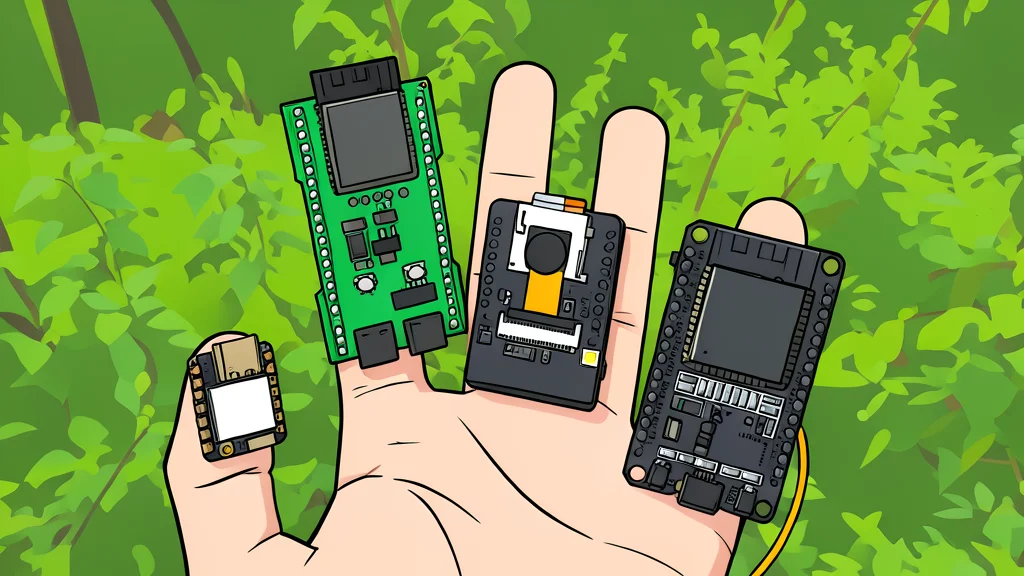
A single temperature sensor has become the backbone of a more reliable home automation setup, proving that local data often beats global forecasts.
For many hobbyists, the ESP32 microcontroller started as a way to light up LEDs and learn basic coding. However, one builder found a more practical use for the chip by pairing it with a BME280 sensor module. This simple combination transformed a generic weather station into a critical tool for home automation, solving a persistent problem with inaccurate local climate data.
The project began with a desire to move beyond basic tutorials. By using a configuration tool to program the hardware, the builder created a device that reads precise temperature and humidity levels. This local data now drives heating, cooling, and even 3D printing workflows, demonstrating how a few dollars’ worth of components can replace reliance on broad, often inaccurate weather APIs.
Local data beats city-wide forecasts
The primary motivation for the project was the unreliability of general weather reports for specific neighborhoods. Standard APIs provide data for large cities, which can be misleading during turbulent weather conditions. For a smart home system that adjusts heating or air conditioning based on temperature, these inaccuracies are unacceptable. The local sensor provides a real-time reading that reflects the actual environment inside the house, ensuring that automated responses are based on reality rather than an estimate.
The BME280 sensor, while not laboratory-grade precise, offers a significant advantage in speed. It can refresh data in milliseconds, which is far faster than cheaper alternatives like the DHT11 or DHT22. This speed allows for immediate updates on displays and rapid reaction times for automation triggers. As reported by XDA Developers, this responsiveness makes the sensor ideal for projects that require constant, up-to-the-second monitoring rather than periodic checks.
Humidity monitoring protects 3D printing materials
Beyond climate control, the humidity data from the same sensor proved essential for another hobby. Many 3D printing filaments, such as PETG, are hygroscopic, meaning they absorb moisture from the air. This absorption causes defects in printed objects, such as excessive stringing. By adding a second sensor dedicated to the storage area, the builder can now automatically alert when humidity rises to dangerous levels.
When the humidity threshold is crossed, the system notifies the user to remove the filaments from the printer’s feeder and store them in a dry box with silica gel. This automation saves the material from spoiling and ensures consistent print quality. It highlights how a simple environmental reading can protect expensive supplies and prevent wasted time on failed prints.
Presence detection has its own trade-offs
The success of the weather station encouraged the expansion of the setup to include presence detection. The builder used a motion sensor to trigger lighting and other actions when a person enters a room. However, this solution came with a notable drawback. Motion sensors often fail to detect a person who is sitting still for a long period, causing automations to shut off prematurely.
This limitation highlights the trade-off between different types of sensing technology. While motion sensors are cheap and easy to install, they are not always reliable for long-duration presence tracking. The builder is now exploring alternative sensors that can detect human presence more consistently, illustrating that the choice of component is as important as the coding logic behind the automation.