Four Practical Tech Upgrades to Cut Household Energy Bills
Rising utility costs demand a shift from passive consumption to active management. Four specific technology purchases can help homeowners identify hidden waste, reduce standby energy drain, and optimize cooling efficiency without major renovations.
The most significant contributors to household energy bills are usually heating, cooling, and water usage. Traditional methods of managing these costs, such as manually adjusting thermostats or running fans, are often inefficient. By integrating specific modern devices, residents can address these inefficiencies directly. The following four purchases represent practical steps toward lowering consumption, each addressing a different aspect of energy management.
According to reporting by GN technics/smarthome (en-US), these tools range from diagnostic hardware to smart climate control. The common thread is that they reduce the workload on high-energy systems like HVAC units and water heaters. By targeting specific leaks and standby losses, these devices offer a more precise approach to saving money than generic energy-saving tips.
Thermal cameras expose hidden air leaks
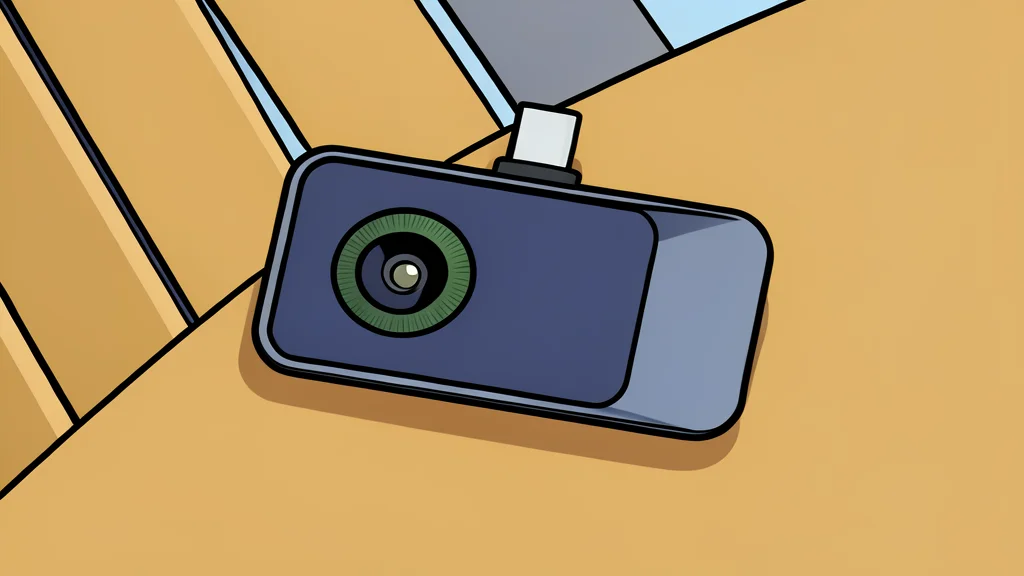
Air leakage is a silent driver of energy waste, particularly in winter and summer. When heated or cooled air escapes, the HVAC system must work harder to maintain the desired temperature. While homeowners can feel drafts by hand, this method is imprecise. A thermal imaging camera, which attaches to a smartphone, visualizes temperature differences. This reveals exactly where insulation is failing or gaps exist, allowing for targeted repairs that prevent constant energy loss.
Instant hot water reduces standby waste
Water heaters are often the second most energy-intensive appliances in a home. Traditional setups keep a large tank of water hot at all times, consuming energy even when no water is being used. Instant hot water dispensers change this model. They heat water only when it is dispensed, eliminating the energy cost of maintaining a heated tank. This reduces the load on the central water heater and cuts down on the time taps run while waiting for water to heat up.
Battery stations leverage low-cost solar power
Portable power stations paired with solar panels offer a way to decouple household energy use from peak pricing. During power outages, these units replace gas generators, which are expensive to fuel. For homes on time-of-use utility plans, the battery can be charged during off-peak hours when electricity is cheap. The stored energy can then power electronics during expensive peak hours, effectively shifting consumption to cheaper time windows without relying on the grid.
Circulator fans improve air distribution efficiency
Central air conditioning is energy-intensive, but fans provide a low-power alternative for personal comfort. Battery-powered circulator fans can be moved to different rooms as needed, addressing hot spots that central systems may miss. By moving air effectively, these fans allow residents to raise the thermostat setting without sacrificing comfort. This reduces the runtime of the HVAC system, which consumes significantly more electricity than the fan itself.