Old Echo Speakers Find New Life in Local Smart Homes
Discarded Amazon speakers can be repurposed into private, local smart home hubs, bypassing cloud servers entirely.
Many households still possess older generations of Amazon Echo speakers that have become redundant or inconvenient due to cloud-dependent limitations. Rather than discarding these devices, a growing community of tech enthusiasts is finding ways to breathe new life into the hardware. By modifying the internal software or replacing key components, users can transform these speakers into private voice assistants that operate entirely within the local network.
This shift allows for greater privacy and control, as voice commands no longer need to be sent to external servers for processing. The hardware inside these older models, including high-quality microphones and speakers, remains robust enough to support these new functions. This approach turns a potential e-waste problem into a functional tool for a more personalized smart home setup.
Bypassing Amazon's Cloud Infrastructure
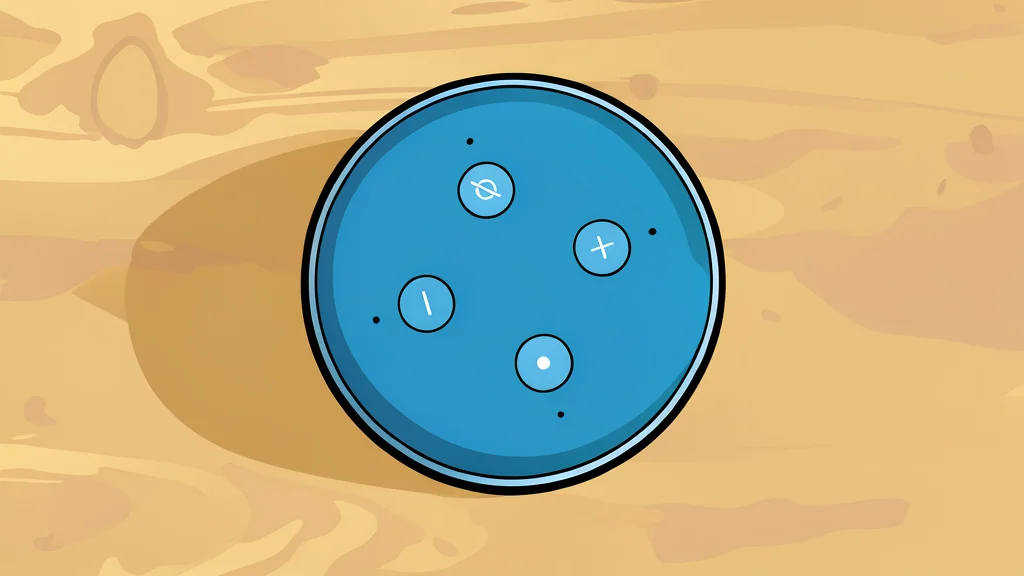
The most common modification involves rooting the second-generation Echo Dot. This process grants users access to the device's operating system, allowing them to replace the default Alexa software with open-source alternatives like Home Assistant. According to GN technics/smarthome (en-US), this setup enables the speaker to act as a satellite for a local server, meaning voice commands are processed on your own hardware rather than in the cloud.
This method preserves the utility of the device's seven-microphone array and built-in speaker. Users can control lights, locks, and other smart devices without relying on an internet connection to Amazon's data centers. The trade-off is that the process requires technical skill and may void any remaining warranties, as it involves altering the device's core software.
Running AI Models On-Device
For those seeking even greater privacy, some projects focus on running artificial intelligence models directly on the Echo's own processor. This approach uses lightweight software to handle speech recognition and basic command processing locally. The result is a device that does not send any voice data outside the room, offering the highest level of data protection available.
However, this method has significant limitations. The processor in these older speakers is not powerful enough to handle complex tasks or large language models. It is best suited for simple, pre-defined commands and should not be expected to replace a full-featured smart assistant. It serves more as a proof of concept for what low-power hardware can achieve with optimized software.
Hardware Reuse for New Devices
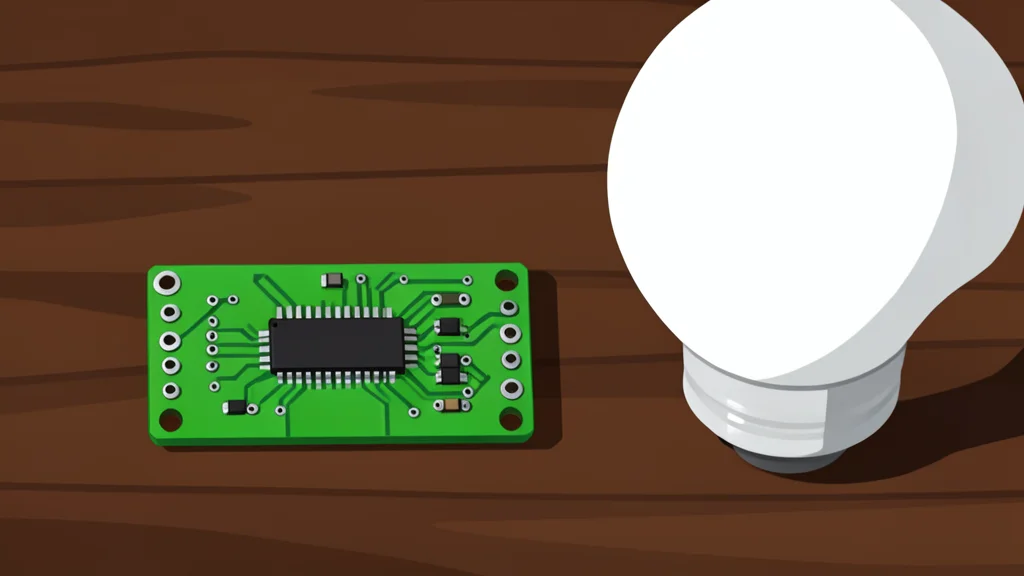
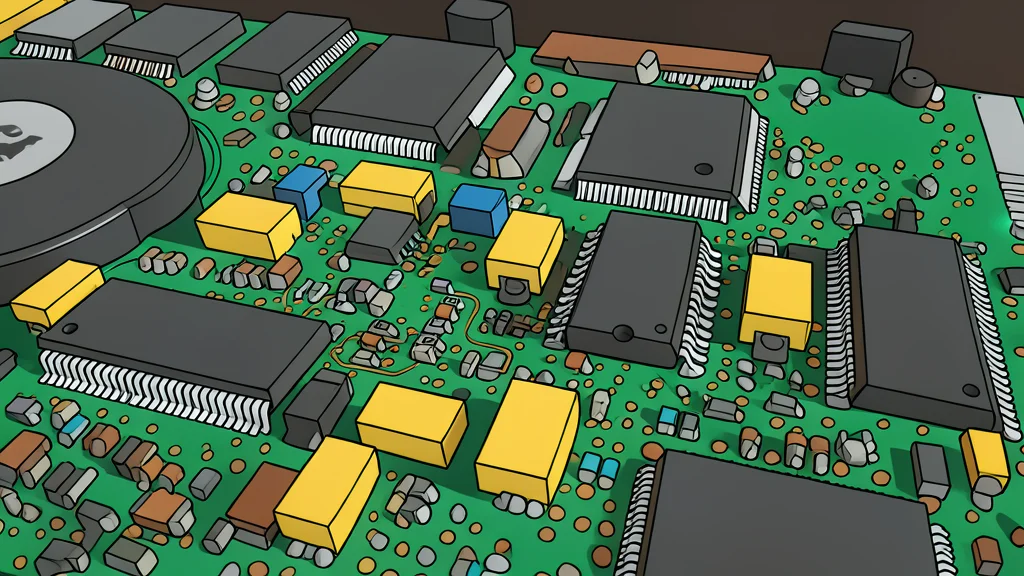
For newer models that cannot be easily rooted, such as the third-generation Echo Dot, users are taking a more invasive approach. This involves replacing parts of the internal circuitry with a custom board based on an ESP32-S3 chip. This hardware swap allows the device to communicate with local smart home systems, effectively cutting out the proprietary Amazon software entirely.
Another creative use for old Echo hardware is upgrading newer, more expensive speakers. Some users have found that the audio components in older Echo devices are superior to those in newer, budget-friendly smart speakers. By transplanting these parts, they can improve the sound quality of their existing smart home setup. This highlights the fact that the physical components in these devices often outlast their software relevance.