Lockly Lyro Smart Lock Targets Vacation Rentals
A new smart lock aims to solve the battery and communication headaches of short-term rentals, but it requires a manual step to actually open the door.
Lockly has introduced the Lyro Lasta, a $169 smart lock designed specifically for vacation rentals and short-term stays. The device prioritizes long-term battery life and easy guest access over the high-tech sensors found in many other 2026 smart locks. Its primary goal is to reduce maintenance friction for landlords who need a reliable entry solution for properties that may sit empty for months.
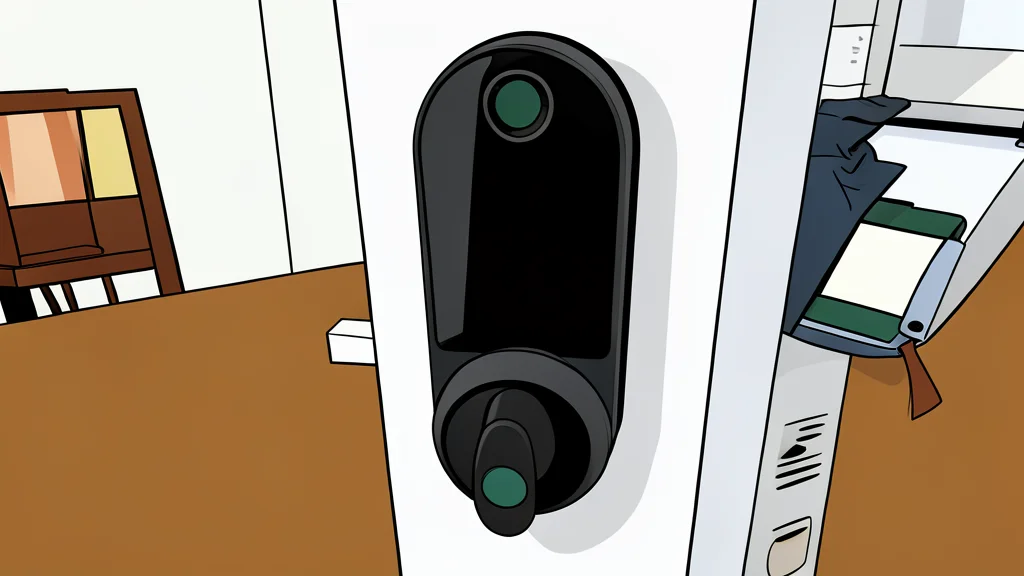
The lock supports fingerprints, keypad codes, physical keys, and NFC tags, giving hosts multiple ways to grant access. However, the system includes a unique manual turning mechanism that differs from standard automatic locks. This design choice aims to conserve energy and reduce wear, though it requires guests to physically turn the thumbturn after unlocking, a step that may confuse those used to fully automated doors.
Extended Battery Life Reduces Maintenance
Most smart locks use four AA batteries, but the Lyro Lasta houses eight. According to the manufacturer, this extra capacity allows the lock to operate for up to three years without replacement. This is a significant advantage for rental properties, where changing batteries can be a logistical hassle if the unit is located far from the owner's home or during low-occupancy seasons.
The exterior of the lock is rated IP65 for weather resistance, protecting the fingerprint reader and keypad from rain and dust. While the internal hardware is bulky to accommodate the batteries, the outer casing remains sturdy and functional. This durability is critical for outdoor-facing locks that must withstand varying weather conditions while remaining accessible to visitors.
Manual Turn Creates Access Friction
When a user unlocks the door via fingerprint or code, the internal mechanism releases, but the deadbolt does not automatically retract. The user must still turn the thumbturn on either the inside or outside to physically open the door. This manual step is a trade-off for battery efficiency, as it prevents the motor from engaging for every single entry and exit event.
For experienced smart lock users, this requirement is unusual and potentially confusing. The lock effectively splits the unlocking process into two distinct actions: digital authorization and physical movement. Hosts must clearly communicate this to guests to avoid frustration, especially for first-time users who expect the door to swing open immediately after authentication.
Rental-Specific Communication Features
The lock includes a feature called TapCom, designed to facilitate communication between hosts and guests. This is particularly useful for vacation rentals where traditional phone calls or emails may not be the primary contact method. The system allows for simple, direct interactions related to access and entry, streamlining the guest experience.
Coverage from GN technics/smarthome (en-US) highlights that these rental-focused features distinguish the Lyro Lasta from consumer-grade locks. While the lock lacks some cutting-edge sensing technologies, its focus on reliability, battery longevity, and guest management makes it a practical choice for property managers. The trade-off is a less automated feel, but one that prioritizes long-term usability over short-term convenience.