Smart Home Sales Rely on Networking, Not Just Gadgets

Independent retailers are finding that successful smart home sales depend on solving specific customer problems and ensuring robust network infrastructure, rather than just selling individual devices.
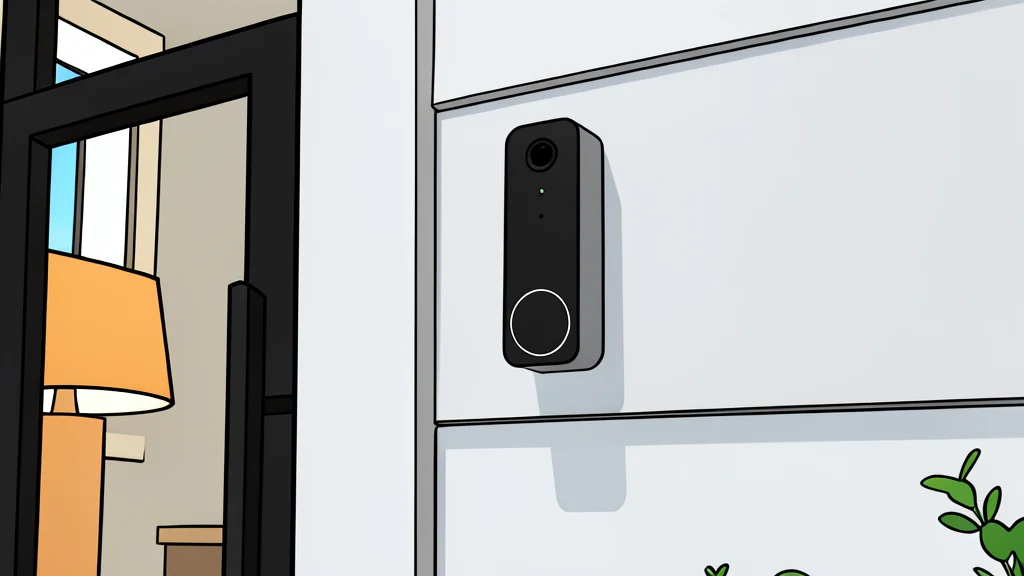
For independent retailers, the opportunity in the connected home market lies not in becoming complex integrators overnight, but in addressing specific customer pain points. The strategy involves recognizing where connected products naturally fit into existing sales, such as security, convenience, or wellness, rather than overwhelming buyers with technical specifications. This approach makes the category more approachable and profitable for businesses that do not have the resources of large-scale custom integrators.
The definition of a smart home has expanded significantly beyond entertainment systems to include lighting, energy management, and air quality. Experts advise dealers to focus on the experience these technologies create rather than the hardware itself. By starting with one solvable problem, such as improving home security or simplifying daily routines, retailers can build trust and demonstrate value without requiring customers to manage a sprawling array of incompatible devices.
Cross-Merchandising Drives Natural Attachments
Successful retailers are integrating connected products into their broader sales strategies rather than isolating them in a separate department. For example, a furniture store might use a Wi-Fi-enabled appliance to spark a conversation about home connectivity. Similarly, selling a television can open the door to discussions about responsive lighting or audio systems. This method turns connected technology into part of the customer journey, creating natural attachment opportunities that feel relevant to the primary purchase.
According to insights shared by industry observers, including coverage from GN technics/smarthome (en-US), this shift in language helps reduce the intimidation factor for consumers. Instead of leading with the term "smart home," which can imply complexity, retailers talk about needs customers already understand. This allows dealers to pick a specific area where they can solve a problem well, such as enhancing the entertainment experience with simple, easy-to-install connected products.
Network Reliability Is The Critical Foundation
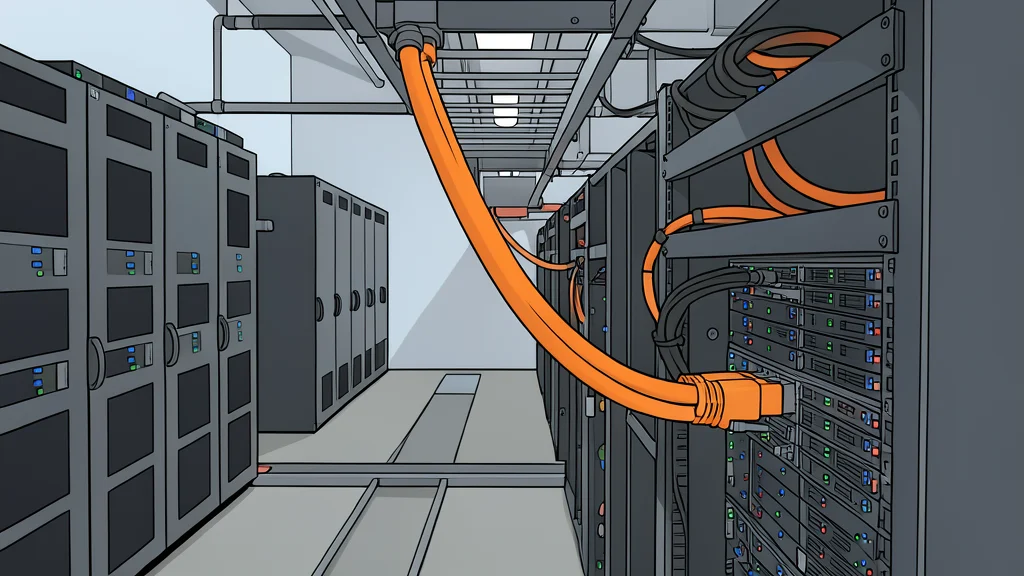
A crucial trade-off in this strategy is the reliance on strong network infrastructure. Panelists emphasized that no amount of smart devices will function reliably without a robust network. Factors such as home construction, access point placement, and bandwidth requirements significantly affect performance. Assuming Wi-Fi alone can support every application is a common mistake that leads to poor user experiences and failed installations.
When connectivity issues arise, consumers often blame the retailer or integrator who sold the solution, regardless of whether the fault lies with the product or the network. This makes networking not just a technical requirement but a significant service and revenue opportunity. Dealers who can diagnose connectivity problems and deliver robust networks are positioned to solve a major customer pain point while strengthening the overall value of the connected-home sale.