Smart Speakers Gain Control of non-HomeKit Devices
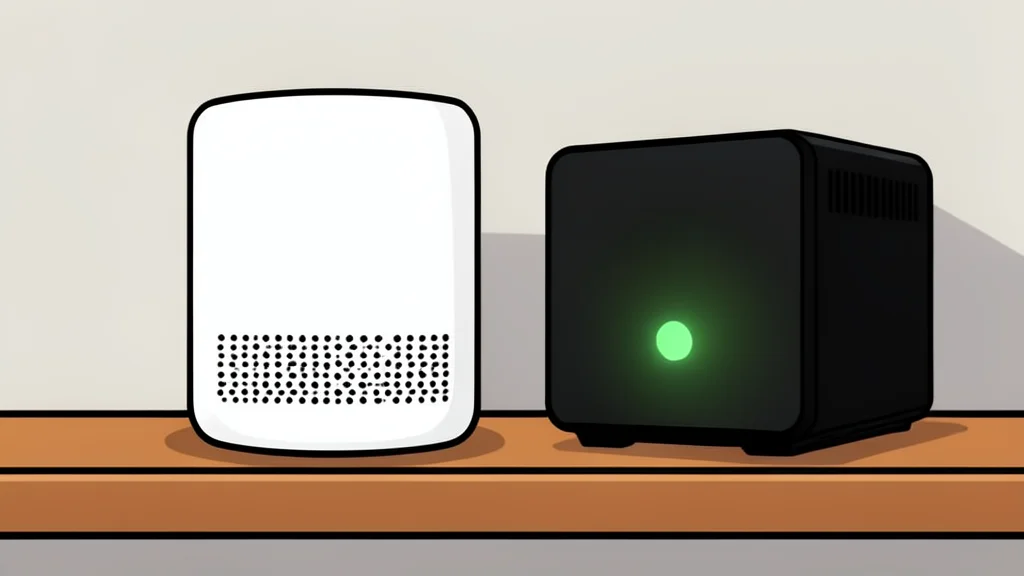
A software bridge allows Apple speakers to manage a wider range of smart home devices without replacing hardware.
Many Apple smart home users face a frustrating limitation where Siri only recognizes devices that carry specific Apple certification. This restriction often leaves a significant portion of a user's smart home equipment invisible to voice commands, creating a fragmented experience where the speaker cannot control the majority of installed sensors and lights.
A recent report by XDA Developers highlights a practical solution that bypasses this hardware barrier. By connecting a self-hosted smart home platform to Apple’s ecosystem, users can expose their entire device inventory to Siri. This approach turns the smart speaker into a central controller for mixed-brand environments without requiring the purchase of new, certified accessories.
Certification limits device visibility
The core issue stems from how Apple’s HomeKit protocol operates. It strictly filters out any accessory that does not possess the required certification badge. Even if a device is fully functional and connected to the home network, Siri will report that it cannot find the item. This creates a disjointed setup where users must rely on a separate app for most controls while using voice commands only for a small subset of compatible lights and switches.
For those running open-source platforms like Home Assistant, this disconnect is particularly painful. The platform may manage hundreds of devices and complex automations, but Siri remains blind to them. The result is a dual-system environment where the voice assistant handles a fraction of the workload, leaving the user to manually interact with the rest through a dedicated mobile application.
Software bridge enables broader control
The solution involves enabling a specific integration known as the HomeKit Bridge within the self-hosted platform. This feature acts as a translator, taking the entities managed by the local server and exposing them to Apple’s Home app. Setup is relatively straightforward, requiring only a scan of a generated QR code with an iPhone or iPad to link the two systems.
However, the process is not entirely seamless. Once linked, users must manually assign names and room locations to each device in the Apple ecosystem. There is no bulk-apply option for these settings, meaning a user with dozens of sensors or lights must configure each one individually. Despite this tedious step, the benefit is that no existing hardware needs to be replaced or reconfigured to become voice-controllable.
Voice commands run local scenes
With the bridge active, Siri can trigger complex scenes that involve devices from various manufacturers and protocols. A simple phrase like good night can now turn off lights, lock doors, and adjust thermostats that were previously inaccessible to the voice assistant. This allows for a unified user experience where the complexity of the underlying mixed-brand setup is hidden behind a single, easy-to-use voice command.
The trade-off for this flexibility is a potential increase in latency. Because the command must travel from Siri to the local server and then to the device, response times may be slightly slower than with native certified devices. However, for many users, the ability to control their entire smart home with a single voice assistant outweighs the minor delay, especially when compared to the previous inability to control most devices at all.