Wi-Fi 8 Prioritizes Network Stability over Raw Speed
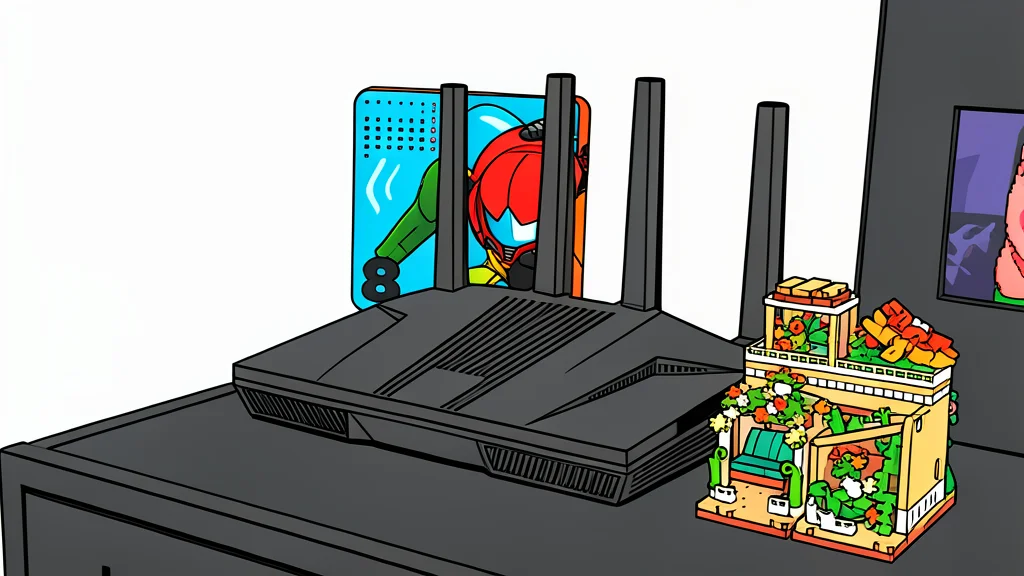
The next generation of Wi-Fi aims to fix the invisible chaos of modern home networks rather than simply increasing download rates.
High-end mesh systems often promise seamless coverage across large homes, yet real-world performance frequently falls short. Devices often cling to distant signals or struggle with erratic behavior because individual nodes compete for airtime rather than working as a unified system. This lack of coordination creates a chaotic environment where speed is less important than stability.
Wi-Fi 8 addresses this bottleneck through a feature known as multi-AP coordination. As reported by XDA Developers, this technology transforms isolated mesh satellites into a synchronized array. Instead of nodes fighting each other for spectrum, they communicate to manage transmission power and direct signals precisely, reducing the internal interference that plagues current setups.
Current mesh systems struggle with coordination
Existing networks rely on a protocol that forces devices to listen before transmitting to avoid collisions. This results in nodes backing off when they detect signals from other nodes, effectively throttling their own performance. Additionally, devices often make poor roaming decisions, staying connected to weak signals far away rather than switching to strong, nearby nodes. This inefficiency wastes airtime and degrades the experience for everyone on the network.
Coordinated beamforming eliminates internal interference
Wi-Fi 8 introduces coordinated beamforming, allowing nodes to exchange information about their surroundings. They can then mathematically shape their radio waves to direct energy specifically at intended devices while placing nulls in the direction of other active nodes. This means two nodes can transmit simultaneously without creating the side-lobe interference that causes dropped frames and latency spikes in current systems.
Furthermore, the new standard enables coordinated spatial reuse. A primary access point can dictate transmit power limits for secondary nodes based on where their clients are located. This allows simultaneous transmissions to occur cleanly without raising the noise floor for neighboring links. The result is a network where multiple devices can communicate at once without the constant retransmissions and jitter that characterize today’s mesh environments.
Upgrade timing requires patience
Consumers considering an upgrade face a difficult trade-off between current availability and future stability. While Wi-Fi 7 offers higher theoretical speeds, it still suffers from the fundamental coordination issues of previous generations. Waiting for Wi-Fi 8 hardware means delaying access to the latest speed tiers, but it promises a more reliable and efficient home network experience that solves the root causes of modern wireless frustration.