Self-Hosted NVR Software Eliminates Monthly Security Fees
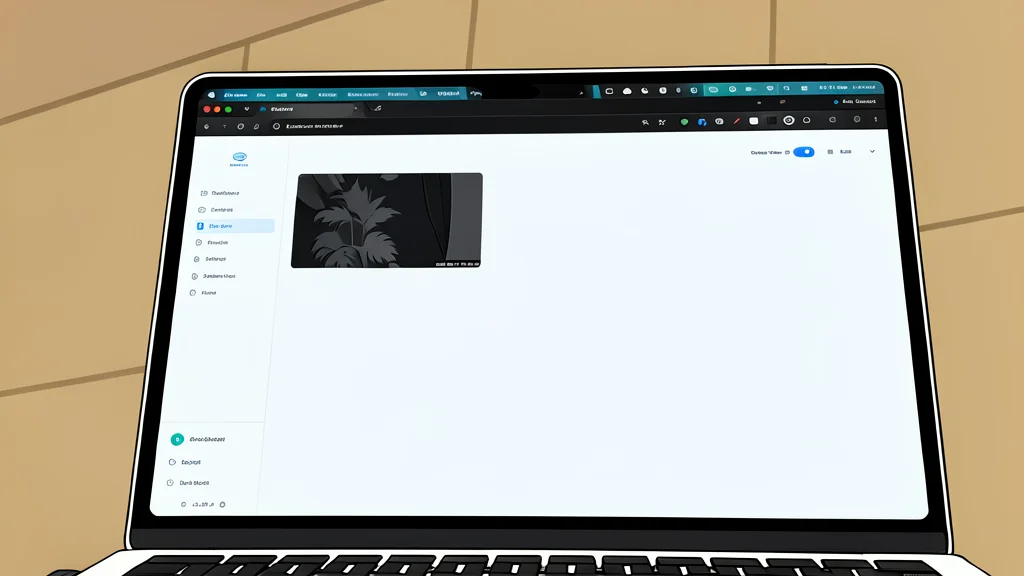
A lightweight Docker application allows homeowners to manage camera footage without vendor lock-in or recurring subscription costs.
Homeowners looking to reduce monthly expenses can now manage security camera footage independently using a new lightweight application. This tool, known as VibeNVR, operates as a self-hosted network video recorder that runs on existing hardware, removing the need for proprietary appliances or paid cloud services. It connects directly to camera streams, allowing users to store and review video locally without relying on external subscriptions.
The solution addresses a common frustration with major camera ecosystems, which often require specific hardware or ongoing fees for basic recording features. By utilizing standard video protocols, the software integrates with a wide range of devices. As reported by XDA Developers, this approach gives users full control over their data and infrastructure, ensuring that security footage remains private and accessible without third-party intermediaries.
Local storage controls replace cloud dependence
One of the primary advantages of this system is the ability to define exactly how much disk space is allocated to video recordings. Users can set a fixed storage quota, after which the software automatically deletes the oldest files to make room for new ones. This prevents the hard drive from becoming completely full, a common issue when recording high-resolution video continuously over long periods.
This method also allows for tiered storage configurations, where different drives can be assigned specific roles. For example, a faster drive can handle recent, high-demand footage, while a larger, slower drive can archive older events. This flexibility ensures that the system remains efficient without requiring unnecessary hardware upgrades, giving users a tailored setup that matches their specific retention needs.
Intelligent detection reduces manual footage review
Reviewing hours of static video is a tedious task, but this software mitigates that problem through built-in motion and object detection. The system identifies specific events, such as the presence of people, vehicles, or animals, and creates a timeline of these occurrences. Users can then jump directly to the relevant moment rather than scrubbing through empty frames, saving significant time when investigating incidents.
The interface also supports the creation of motion zones, allowing users to define specific areas of interest within the camera view. This is particularly useful for cameras positioned near public spaces, where background activity like passing cars could otherwise trigger constant alerts. By restricting detection to relevant areas, the system reduces false positives and ensures that only meaningful events are highlighted for review.
Separate streams optimize bandwidth and quality
The application allows for the configuration of multiple video streams for different purposes. A lower-resolution stream can be used for real-time monitoring to conserve network bandwidth, while a separate, higher-resolution stream is dedicated to recording. This dual-stream approach ensures that the live view remains smooth and responsive, even on slower connections, without compromising the clarity of the stored footage.
While the software provides robust features, it requires a degree of technical setup to configure correctly. Users must ensure their cameras are properly configured to output the necessary video feeds and that their server has sufficient processing power to handle the decoding tasks. Despite this initial effort, the result is a secure, cost-effective, and fully controlled home surveillance system that operates independently of vendor ecosystems.