Monomodule Brings Monomachine Sound Engine to DAWs
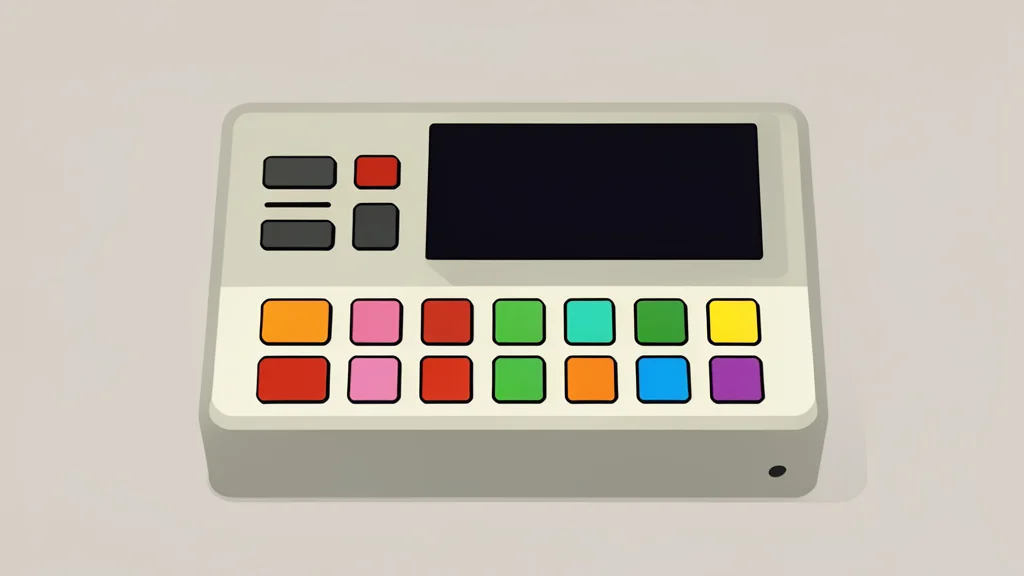
A new free plugin allows users to access the iconic Elektron Monomachine synth engines directly within their digital audio workstations, offering a lightweight alternative to full hardware emulation.
Musicians seeking the distinctive textures of the Elektron Monomachine without the cost of physical hardware now have a new option. Monomodule is an upcoming free plugin that emulates the synthesizer’s sound engines, allowing users to integrate the instrument’s unique voices into modern digital audio workstations. The development follows a recent wave of interest in recreating this classic drum machine, with multiple independent projects emerging in the past week.
Unlike previous attempts that attempted to replicate the entire hardware unit, including sequencers and interfaces, Monomodule focuses specifically on the audio synthesis capabilities. As reported by GN technics/software (en-US), this approach results in a lighter software footprint that relies on the user’s existing DAW for sequencing and performance. The plugin is currently in private beta but is expected to become publicly available soon.
Distinctive sound engines remain central
The core appeal of the Monomachine lies in its five distinct sound engines, and Monomodule includes all of them. These include a SID-based wave, a voice synth inspired by the Speak & Spell, a DX-style FM synthesizer, a virtual analog SuperWave engine, and DigiPro variants. The plugin interface mirrors the original display, helping users navigate these sounds with familiar visual cues.
In addition to the primary oscillators, the emulation includes the onboard filters, effects, and three multi-wave LFOs that contributed to the original instrument’s character. By isolating the sound engine from the hardware’s user interface, developers aim to reduce system resource usage while preserving the audio fidelity that made the Monomachine popular among electronic musicians.
Trade-offs between flexibility and complexity
The primary trade-off in this design is the removal of the built-in sequencer. Users must rely on the step sequencer or timeline of their DAW to trigger notes and patterns. While this offers greater flexibility in a modern production environment, it requires a different workflow compared to playing the standalone hardware, where the sequencer is an integral part of the instrument’s identity.
Furthermore, the plugin requires the original ROM file from an Elektron Monomachine to function. This means that only those who already own the hardware can legally use the emulation, as it relies on proprietary code from the original device. This restriction ensures the software serves as a utility for existing owners rather than a standalone product for new buyers.
Polyphonic expansion in development
Developers are also working on a companion plugin called Monomodule Six. This version expands on the monophonic base by offering a polyphonic configuration with multichannel playback capabilities. In early demonstrations, this version allows for more complex layering of sounds across multiple channels, potentially offering a richer sonic palette for users who want to push beyond the original hardware’s limits.
Early impressions suggest that the monophonic version is already mature and efficient, using significantly less processing power than other recent emulations. The polyphonic version appears to offer even more sonic depth, though both projects are still in the final stages of development. As these tools become available, they provide a practical way to access classic analog-style synthesis within contemporary digital workflows.