Russian Progress 96 Docks with ISS to Resupply Crew
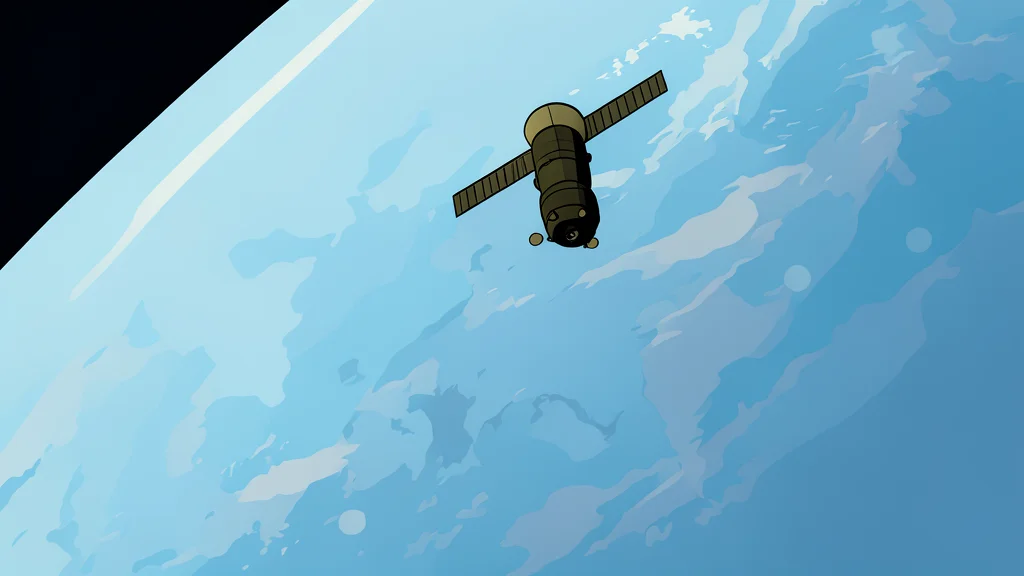
The robotic freighter completes its three-day journey to deliver essential supplies to the seven astronauts currently living aboard the International Space Station.
Russia's Progress 96 cargo spacecraft is set to dock with the International Space Station today, marking the end of a three-day orbital chase. The robotic freighter launched from the Baikonur Cosmodrome in Kazakhstan on September 16 and has been maneuvering to align with the orbiting laboratory. This scheduled rendezvous, expected around 9:46 a.m. Eastern Time, will allow the crew to begin offloading the critical resources they need to sustain their daily operations in orbit.
The mission delivers approximately three tons of food, fuel, and other supplies to the seven astronauts currently aboard the station. The crew includes members from NASA, the European Space Agency, and Roscosmos. For these individuals, the arrival is not just a logistical event but a vital lifeline, ensuring they have the necessary materials to continue their scientific research and maintenance tasks for the next several months.
Delivering vital supplies to orbit
The spacecraft carries a heavy load of consumables required to keep the station functional. This includes not only food and water for the crew but also propellant to adjust the station's orbit and various spare parts for equipment maintenance. The timely arrival of these goods is crucial for the continuity of life support systems and the overall health of the space station infrastructure.
Watching the docking process live
Viewers can follow the docking procedure in real-time through live coverage provided by NASA. The broadcast begins at 9:00 a.m. Eastern Time, offering a behind-the-scenes look at the precise maneuvers required to connect the freighter to the Poisk module. This transparency allows the public to observe the complex engineering involved in orbital rendezvous and the coordination between the ground control teams and the crew members.
The disposable nature of resupply
After remaining attached to the station for about five months, Progress 96 will be loaded with waste and sent to burn up in Earth's atmosphere. This is the standard fate for most cargo vehicles used to service the ISS, including those from Russia, Japan, and Northrop Grummon. Unlike SpaceX's Dragon capsule, which is designed to return to Earth, these freighters are built as single-use vehicles, emphasizing the trade-off between cost and reusability in current space logistics.
According to reporting from GN auto tech/science: space discovery, this routine resupply mission highlights the reliance on multiple international partners to maintain the space station. While the technology allows for precise and reliable deliveries, the model remains largely disposable, a practice that continues to dominate the landscape of human spaceflight logistics despite the development of reusable alternatives.