Auden Techno Stock Rises on Space Defense News
Taiwanese electronics firm Auden Techno sees a sharp price increase as interest in orbital defense and satellite technology grows, driven by upcoming space milestones.
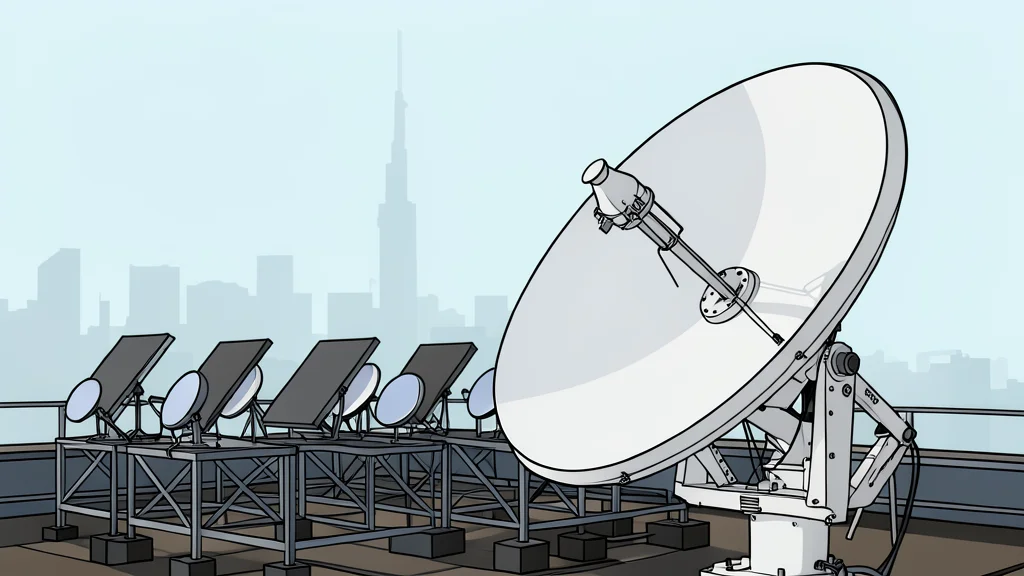
Shares of Auden Techno, a manufacturer of radio frequency antennas and communication modules, climbed 21.3 percent this week to close at 108 New Taiwan dollars. The stock reclaimed the 100-dollar threshold, marking a significant rebound from recent lows. Trading volume expanded to nearly 6,000 lots, making it one of the most watched stocks related to low-Earth orbit (LEO) satellite technology in the Taiwanese market. This movement reflects a broader shift in investor focus toward companies involved in space-based communications and defense infrastructure.
The price surge was triggered by two major developments in the global space sector. First, SpaceX is preparing for the 14th flight test of its Starship vehicle, a mission with a significantly higher objective than previous attempts. Second, the U.S. Space Force publicly confirmed for the first time that it has deployed defensive weapons in orbit. These events have intensified discourse around space defense and capital allocation, leading investors to seek exposure to firms with relevant satellite communications capabilities, such as Auden Techno.
Starship Test Marks Orbital Deployment Shift
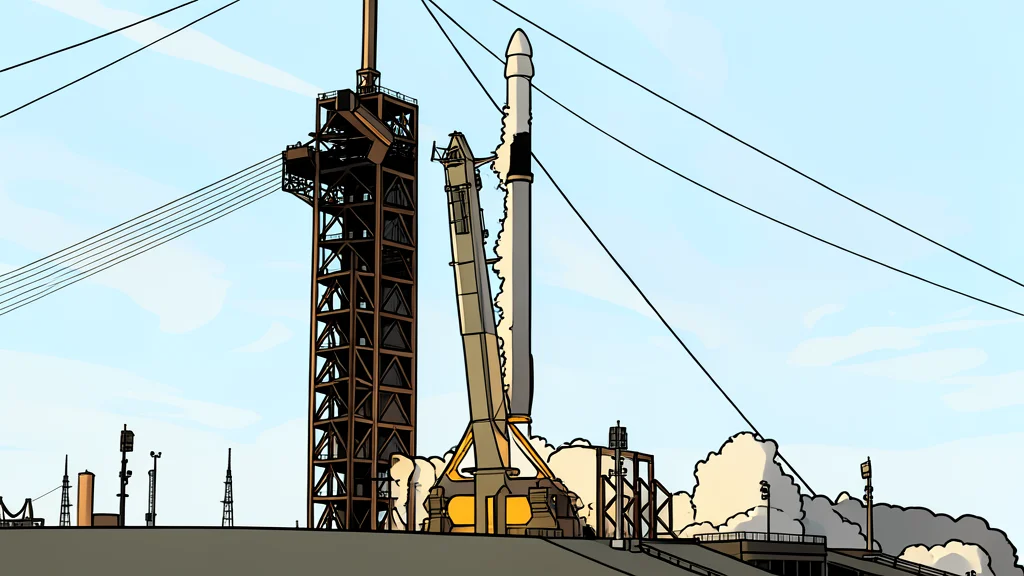
The upcoming Starship test, currently scheduled for the 28th pending regulatory approval, represents a critical step in the vehicle’s development. Unlike the previous 13 flights, which were suborbital tests designed to verify the rocket's ability to reach space and return, the 14th mission aims to carry 26 next-generation Starlink V3 satellites. The goal is to orbit Earth approximately six times before actually deploying the satellites into their operational orbits. This transition from mere reach to functional deployment validates the vehicle's utility for commercial satellite networks, thereby increasing the strategic value of the ground equipment and antenna systems required to support such constellations.
Company Expands R&D and Vietnam Capacity
Auden Techno is responding to this market shift by significantly increasing its research and development spending. Full-year R&D costs are projected to reach 16 to 17 percent of revenue, the highest level in the past five years. This investment focuses on precision mechanical design and thermal management for LEO satellite ground terminals. Additionally, the company is expanding its antenna R&D facility in Zhubei. On the production side, a new plant in Vietnam is set to begin operations in the third quarter, with an initial capacity of three lines that can expand to 18. This expansion is expected to increase total production capacity by five to six times, allowing the company to diversify its supply chain away from China-based manufacturing.
New Contracts Drive Revenue Growth
Recent commercial wins underscore the company's growing role in the satellite ecosystem. In March, Auden Techno secured a Ka-band contract from the Taiwan Space Agency, with deliveries and acceptance expected in the second half of the year. The firm is also actively collaborating with major U.S. LEO satellite operators and smaller customers, with progress expected to become clearer in the third and fourth quarters. In its core notebook antenna business, the company has increased its supply share to a major U.S. customer and launched new projects with two additional brand clients. Furthermore, its measurement equipment and certification services have expanded into satellite ground transceiver systems, adding a diversified revenue stream to its operations.
According to reports from GN auto tech/space: satellite deployment, institutional investors view the stock's rise as a re-rating of the company's positioning in the LEO sector. The high-volume rally followed a period of consolidation, indicating strengthened buying pressure. However, investors should note that while the R&D spend is high, the company faces the trade-off of increased short-term costs against long-term potential gains. The success of the Starship 14th test and the timing of the Vietnam plant's production launch will be key indicators of whether this valuation adjustment is sustainable.