NASA Astronaut Launches to Station on Soyuz Craft
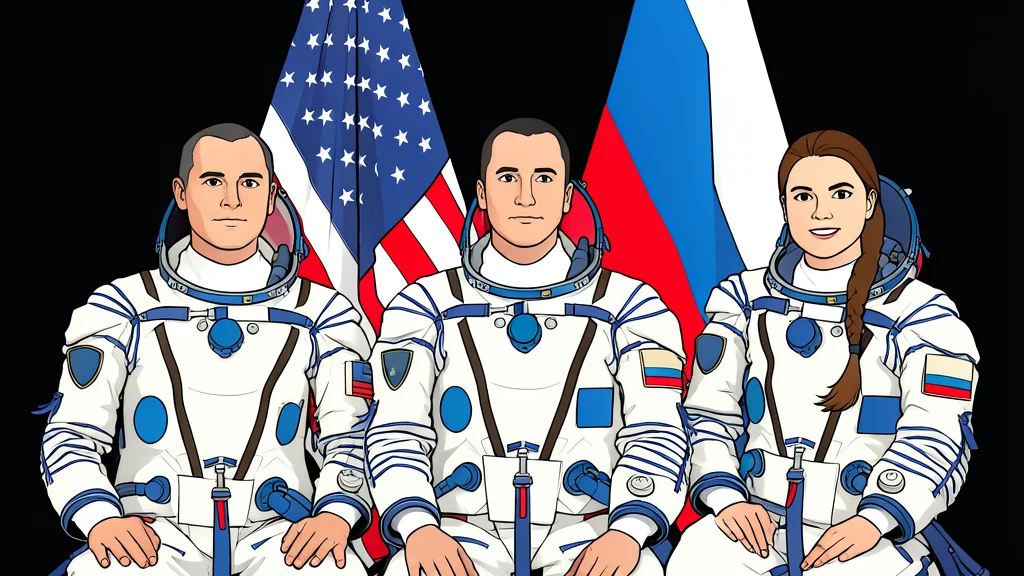
NASA astronaut Anil Menon joins two cosmonauts for a three-hour journey to the International Space Station, beginning a mission focused on advanced medical and semiconductor research.
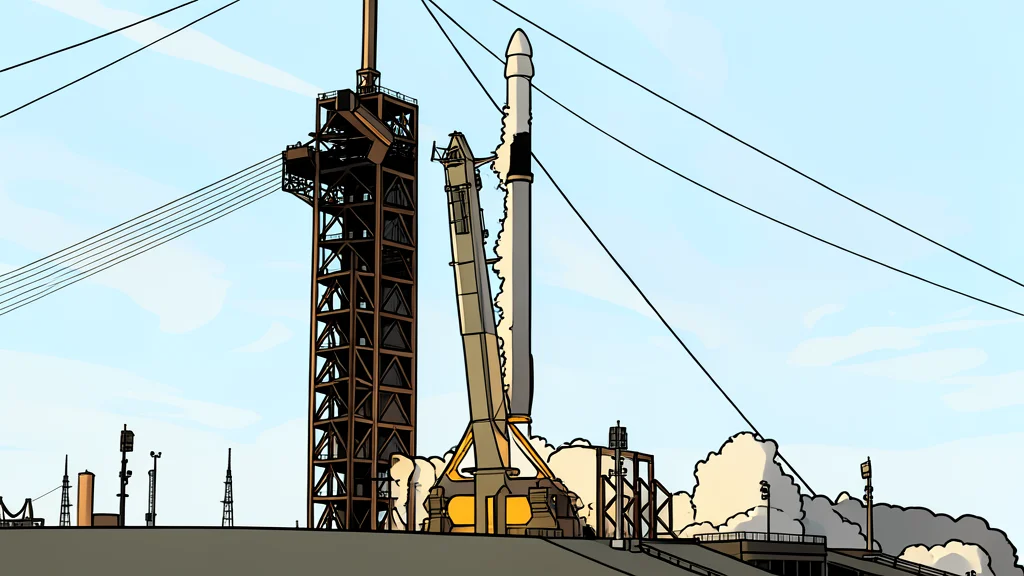
NASA astronaut Anil Menon is set to begin his first spaceflight on Tuesday, July 14, launching aboard the Russian Soyuz MS-29 spacecraft. He will be accompanied by cosmonauts Pyotr Dubrov and Anna Kikina, both of whom are making their second trips to orbit. The trio will lift off from the Baikonur Cosmodrome in Kazakhstan at 10:47 a.m. EDT, marking the start of a significant phase for the station's current crew.
The mission involves a rapid two-orbit transfer that takes approximately three hours to reach the International Space Station. Upon arrival, the spacecraft will automatically dock with the Prichal module at 1:56 p.m. EDT. Once the hatches open, Menon and his colleagues will join the existing crew of seven, including astronauts from the European Space Agency and other Roscosmos cosmonauts, to form the Expedition 74/75 team.
Research focuses on medical innovation
During his eight-month stay, Menon will prioritize experiments that aim to make space medicine more independent. One key project involves using augmented reality and artificial intelligence to perform ultrasound procedures. This technology is designed to allow astronauts to diagnose medical issues without relying on real-time support from doctors on Earth, a capability that is crucial for future deep-space missions.
He will also serve as a test subject to help researchers understand how blood flow changes in microgravity. This data is essential for protecting the health of future astronauts. Additionally, Menon will assist in testing bioprinting vascular constructs, a process that helps scientists understand the aging process and develop new therapeutic approaches for human health.
Semiconductor manufacturing in zero gravity
Beyond medical applications, Menon will continue research into the in-space production of semiconductor crystals. Growing these components in microgravity allows for higher purity and performance than is typically achievable on Earth. These advanced chips are vital for high-performance computers, artificial intelligence systems, and improved medical devices, suggesting a potential shift in how critical electronics are manufactured for both space and terrestrial use.
Viewing options and mission timeline
Live coverage of the launch and subsequent docking events will be available on NASA+, Amazon Prime, and the agency’s YouTube channel. The broadcast schedule begins at 9:45 a.m. EDT, with the hatch opening covered at 3:30 p.m. EDT. As reported by GN auto tech/space, the crew is scheduled to return to Earth in April 2027, completing their rotation on the orbital laboratory.