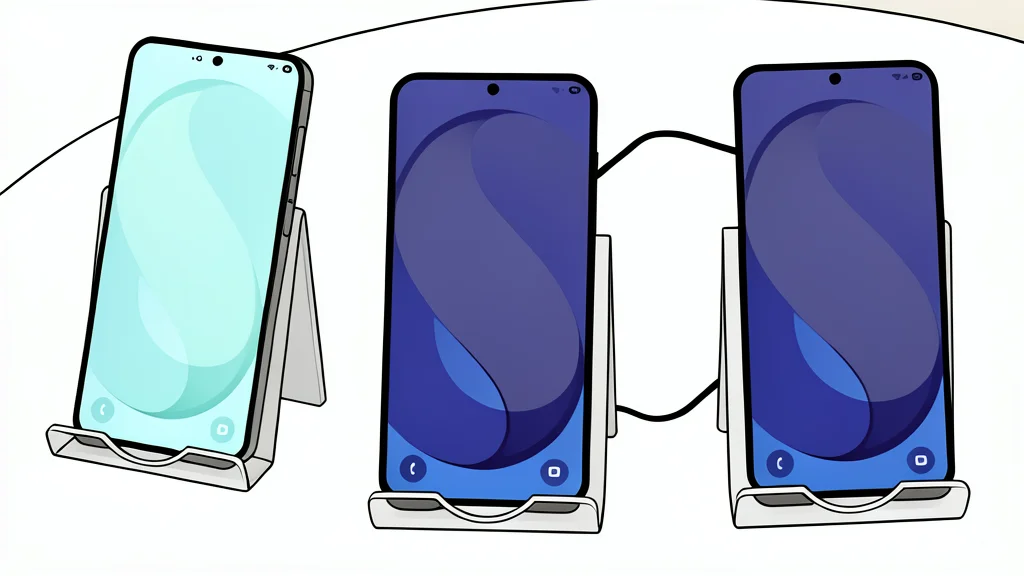
Hacking DOOM onto Household Gadgets Reveals Hardware Limits
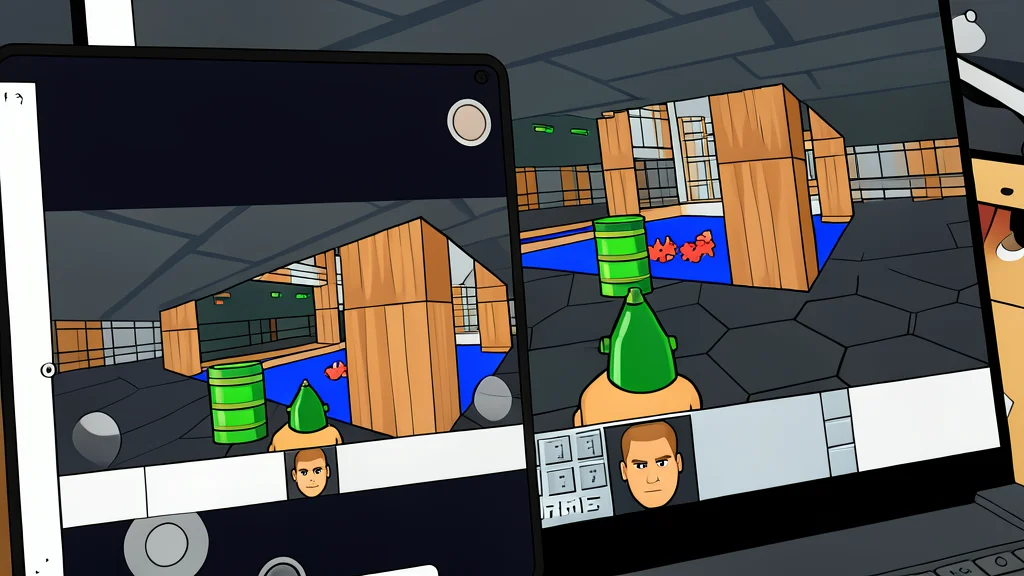
Tinkers are porting classic games to unexpected devices like pregnancy tests and smart fridges, though some methods rely on streaming rather than true local processing.
The open-source nature of the classic 1993 shooter DOOM has fueled a long-standing trend of running the game on increasingly bizarre hardware. Recent examples include a pregnancy test kit and a digital camera, showcasing the dedication of hobbyists who push the boundaries of what small consumer electronics can do.
However, not all of these feats are created equal. While some ports involve deep coding challenges on limited processors, others simply stream video from a phone or cloud service. Distinguishing between a true local port and a remote display is key to understanding the actual technical achievement.
Replacing original hardware components
One recent demonstration involved running DOOM on a pregnancy test device, a feat reported by GN auto tech/hardware: computing hardware. The original silicon in these kits is far too weak to handle the game's demands, with the standard display capable of showing only four symbols.
To make it work, the developer replaced the internal processor and screen with a more capable microcontroller and a small monochrome OLED panel. This required an external Bluetooth controller for input, as the device lacks physical buttons suitable for gaming. The result is a functional but visually crude experience on a tiny screen.
Streaming limitations on smart devices
Smart refrigerators offer another unusual venue for playing classic games. Because these appliances run on modern operating systems like Tizen, they can technically support game streaming apps.
The catch is that the game is not running locally on the fridge's processor. Instead, the device acts as a thin client, receiving video data from a subscription service or a paired phone. This method bypasses the need for complex low-level coding but offers little in the way of genuine technical porting challenges.
Memory constraints on calculators
Graphing calculators have a history of hosting DOOM ports, starting with versions that ran on just 3 KB of RAM. These early iterations were rough approximations due to the severe memory and processing limits of the devices.
Modern calculator ports are much more complete, featuring sound and full level sets. However, newer models have introduced stricter security measures that make it harder for hobbyists to install custom software, creating a trade-off between device capability and accessibility for modders.