NASA Candidates Train in New Mexico Deserts
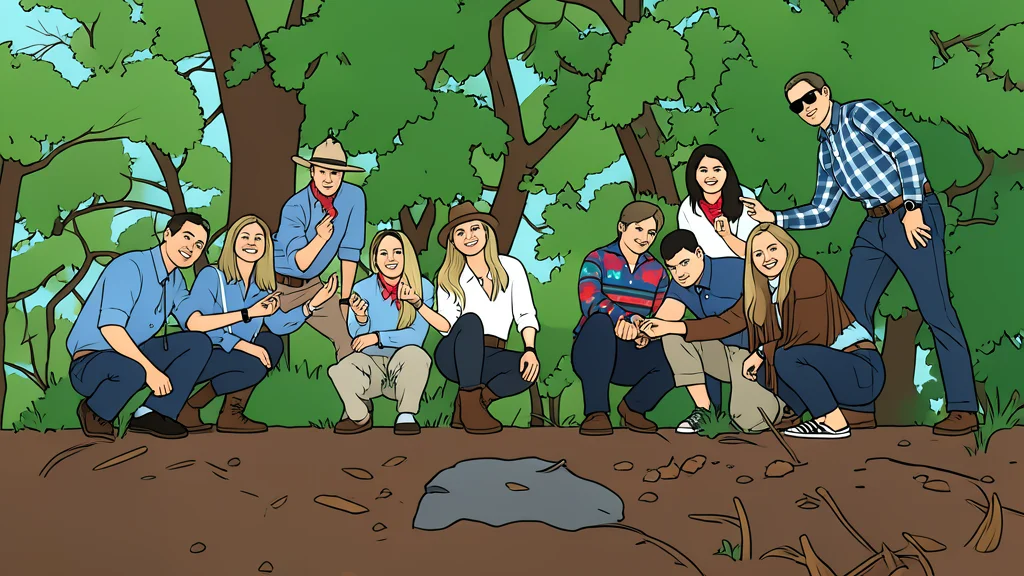
A ten-person class of astronaut candidates is spending May in the New Mexico desert, learning to read geology from the ground up.
A group of ten NASA astronaut candidates recently hiked through the Rio Grande del Norte National Monument in New Mexico. While the scene might resemble a casual summer camp outing, this expedition was a mandatory part of their rigorous two-year training program.
The candidates spent the month of May collecting rock samples and practicing field navigation. This hands-on experience is designed to prepare them for future missions where they must analyze geological materials on the Moon and other celestial bodies, requiring a deep understanding of terrain and resource identification.
Geology Skills for Lunar Missions
The primary goal of this desert training is to equip astronauts with the skills needed to study lunar geology. By mastering rock identification and sampling techniques on Earth, candidates can better prepare for the scientific objectives of future Moon landings. This knowledge is critical for understanding the history and composition of other planets.
The training extends beyond simple rock collecting. It involves classroom instruction, scientific observation, and complex navigation tasks. Candidates must learn to work as a cohesive team under physical and mental stress, mirroring the collaborative demands of spaceflight where every action must be precise and coordinated.
Rigorous Physical and Mental Prep
This geological fieldwork is just one component of an extensive curriculum. Candidates also undergo flight training in high-altitude aircraft and supersonic jets, as well as altitude chamber sessions to simulate low-oxygen environments. These varied disciplines ensure that astronauts are prepared for the wide range of physical challenges they will face in space.
According to reporting by GN auto tech/science: space discovery, this approach reflects a long-standing tradition in NASA’s astronaut program. By subjecting candidates to extreme conditions on Earth, the agency aims to build the resilience and adaptability necessary for the unpredictable nature of space travel, whether to the International Space Station or beyond.
Teamwork Under Pressure
A significant aspect of the New Mexico expedition was the emphasis on teamwork. Candidates had to rely on one another for safety, navigation, and scientific data collection. This dynamic is essential in space, where crew members must operate seamlessly together in a confined and isolated environment, making collective problem-solving a vital survival skill.
The candidates are currently halfway through their training program. As they progress, the intensity of their preparation will only increase. This blend of scientific education and physical endurance training ensures that when they eventually leave Earth, they are fully equipped to handle both the expected missions and the unforeseen challenges of space exploration.