NASA Spots Rare Moon Crater Formed Two Years Ago
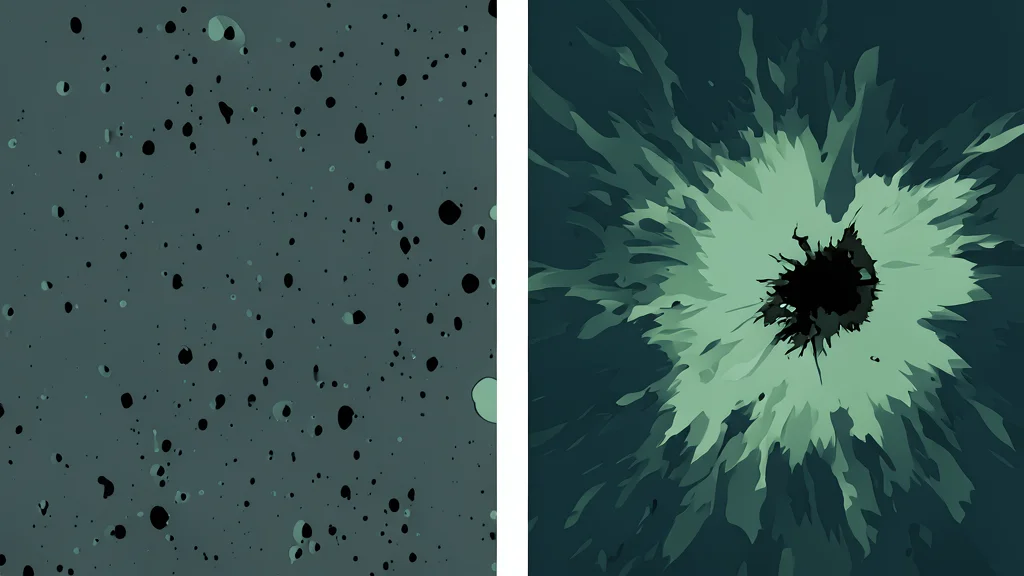
A new lunar impact site, larger than the Colosseum, has been identified by orbiters, offering rare data on recent surface changes and risks for future bases.
NASA has identified a significant new crater on the moon that formed just two years ago, an event so rare it occurs roughly once every century. The impact site is 222 meters across, making it three times larger than the previous record-holder for recent lunar impacts detected by the Lunar Reconnaissance Orbiter. This discovery provides a unique opportunity to study fresh geological changes on the lunar surface, which is typically static over human timescales.
The crater was created by a fragment of an asteroid or comet, an event that went unnoticed by telescopes on Earth and in space at the time of impact. It was only recently identified because the data from the orbiters' wide-angle cameras was buried in a large volume of information until August 2025. The site has been named in honor of Thomas McGetchin, a former director of the Lunar and Planetary Institute, and represents a significant update to our understanding of how often the moon is struck by large objects.
Fresh Material Reveals Lunar Soil Dynamics
Researchers from the University of California, Los Angeles, and other institutions analyzed the area surrounding the new hole and found that the impact churned the surface for over 100 kilometers. Ejected dust and rocky soil were hurled at higher angles than previous models predicted, effectively mixing the top layers of the moon's regolith. This process, described by scientists as gardening the surface, brings deeper material to the top and buries what was previously exposed.
This finding challenges the long-held belief that the footprints left by Apollo astronauts will remain visible indefinitely. According to Mark Robinson, the chief scientist for the orbiter's cameras, the rapid overturning of the top two centimeters of soil means that such traces will be erased within 80,000 years. The discovery highlights that the moon's surface is more dynamic than previously thought, with significant changes occurring on geologically short timeframes.
Implications For Future Lunar Infrastructure
As NASA prepares to establish a permanent base for astronauts, understanding these impact patterns is critical for safety. The new data allows engineers to calculate the risk of debris from similar future impacts striking infrastructure. By knowing how far material travels and at what angles, designers can harden structures to withstand potential damage. This information is essential for ensuring the long-term durability of habitats and equipment on the lunar surface.
The findings, published in Science Advances and reported by sources like GN auto tech/science: space discovery, underscore the importance of continuous monitoring of the moon. While the recent crater was a lucky find in the data, the frequency of such events suggests that lunar engineers must account for a non-zero probability of impact damage. This shifts the planning paradigm from assuming a static environment to designing for a surface that is actively being reshaped by cosmic debris.
A Rare Statistical Opportunity
Scientists describe this observation as a once-in-a-lifetime event, given the estimated 132-year recurrence rate for impacts of this size. The ability to capture the immediate aftermath of such a strike provides a baseline for how lunar regolith behaves under fresh impact conditions. This data is invaluable for refining models of lunar geology and for predicting how the surface will evolve as we begin to build and live there.