Samsung Robots Assist Surgeons in Lab Tests
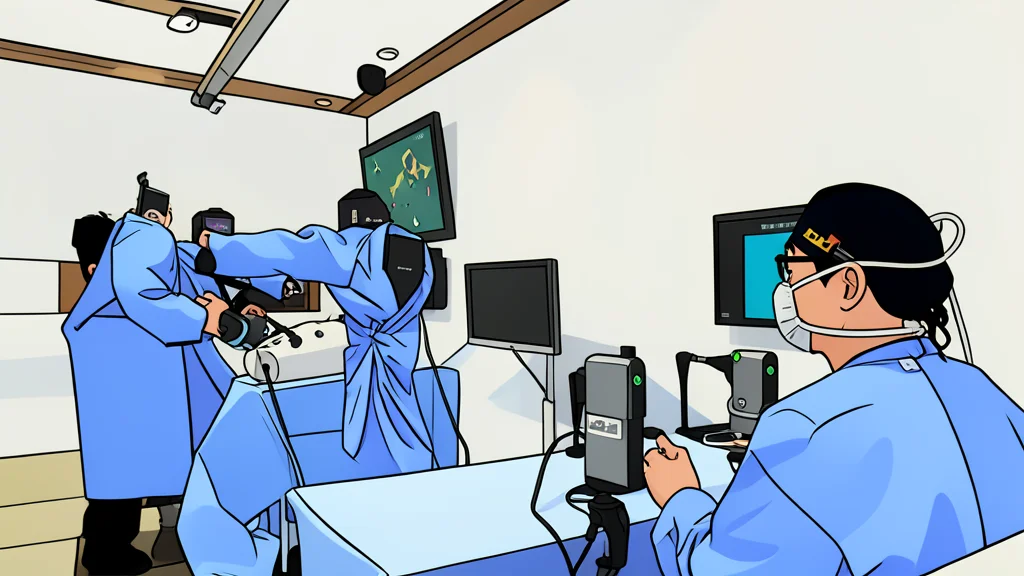
Two humanoid robots now assist a surgeon in simulated operations, aiming to alleviate the growing shortage of skilled operating room staff in hospitals.
In a sterile white operating room at Samsung Medical Center, a surgeon performed a simulated gallbladder removal on a goat liver without any human assistants. Beside the surgical table, two humanoid robots stood ready, handing over instruments and stabilizing tissue on command. This demonstration marks a significant step in testing whether AI-powered machines can reliably support clinical teams in high-stakes environments.
The core objective is not to replace the surgeon, but to fill the gap left by a severe shortage of surgical assistants. By taking over repetitive tasks like holding the endoscope or retracting tissue, the robots allow the doctor to focus entirely on the procedure. The system is designed to anticipate the next move, reducing the mental load on the medical staff during long operations.
Predictive AI drives robotic assistance
The technology relies on a foundation model trained to understand the entire surgical scene rather than memorizing the habits of a single doctor. By analyzing labeled data sets of surgical actions, the system predicts the surgeon’s next step with high accuracy. This approach allows the robots to act proactively, such as delivering a specific instrument before it is explicitly requested, which streamlines the workflow.
To ensure this capability is robust, a consortium led by Samsung Medical Center is collecting standardized data from multiple hospitals. This multi-center approach prevents the AI from becoming too specialized for one location. The goal is to create a generalizable model that works effectively across different surgical teams and facilities, ensuring consistent performance regardless of the specific surgeon’s style.
Balancing speed with safety controls
While lab tests show high success rates in gripping and delivering tools, the robots are currently slower than human assistants. The system includes strict safety protocols, such as re-confirming ambiguous commands before executing any movement. This caution ensures that the machines do not make errors in critical moments, prioritizing patient safety over raw speed.
The project is funded by the Korean government and is currently in its proof-of-concept phase. A competitive review later this year will determine if the program advances to the next stage. The developers acknowledge that while the technology is promising, it still needs to match human reaction times and reliability before it can be widely deployed in real-world surgeries.
Addressing the staffing crisis
The primary driver for this innovation is the difficulty hospitals face in hiring skilled surgical assistants. By automating basic support tasks, the system aims to make surgery more sustainable for clinicians who are often overworked. This could be particularly beneficial for smaller regional hospitals that struggle to maintain full operating room teams around the clock.
According to GN auto tech/robotics, the initiative represents a shift toward treating the operating room as a source of surgical data. By integrating AI with human expertise, the project seeks to create a more efficient and less taxing environment for medical professionals, ultimately improving the quality of care available to patients.