Northrop Grumman to Build Rapid Optical Satellite for Space Tracking
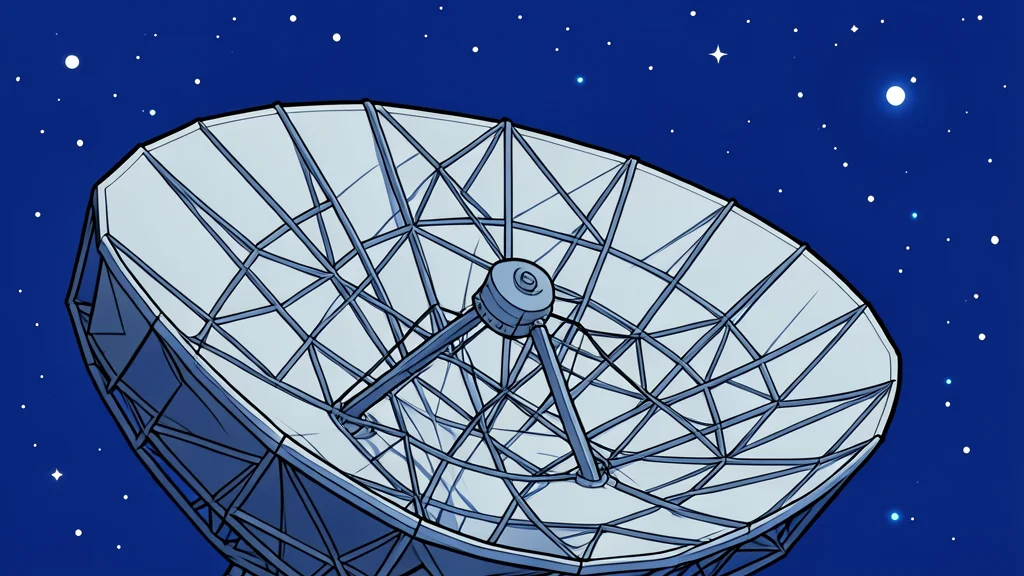
A new prototype satellite aims to improve tracking of objects in high orbit by using commercial manufacturing methods to cut delivery times in half.
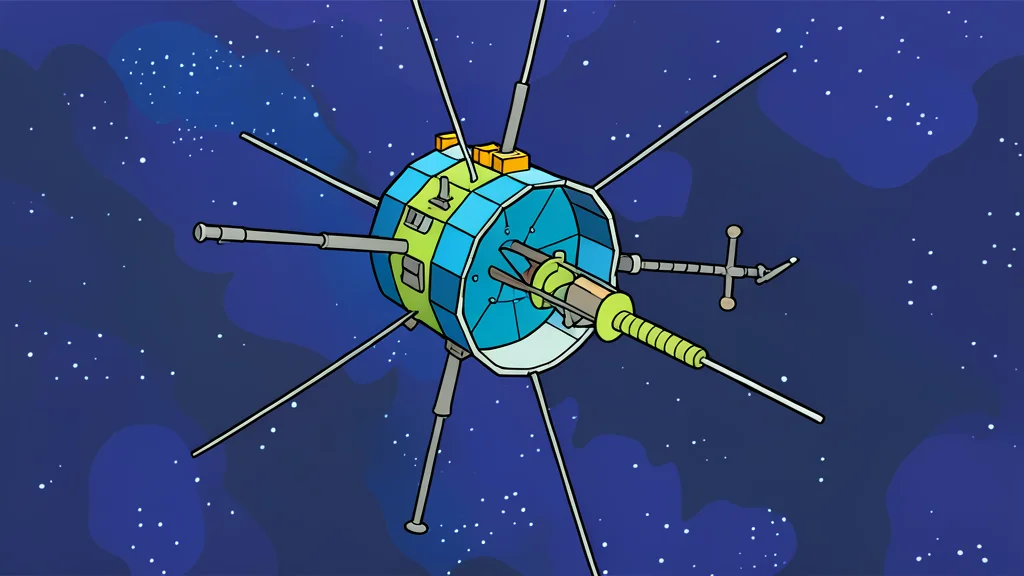
Northrop Grumman has been selected to build a prototype satellite designed to track objects in geosynchronous orbit. The project, known as GHOST-R, is intended to provide higher-resolution optical data for the U.S. Space Force. It represents a shift toward using faster, commercial manufacturing techniques for defense-grade space assets.
The Department of War Innovation Unit chose the company for this role, expanding its existing work on space situational awareness. The goal is to create a more affordable and rapidly deployable layer of satellites. This approach aims to address the growing congestion and potential threats in space without relying solely on traditional, slower defense procurement methods.
Commercial Platforms for Defense Missions
The satellite will be built on Northrop Grumman’s ESPASat-L platform, a bus roughly the size of a small suitcase. This modular design allows for high-rate production and lower costs compared to custom-built military satellites. The optical sensors, provided by TRL-11, will be integrated into this standard commercial chassis to enable quick assembly and testing.
This hybrid approach combines commercial speed with military-grade requirements. By using proven commercial hardware, the project seeks to reduce the timeline for getting new eyes into orbit. However, this trade-off may limit the customization available to military operators compared to fully bespoke spacecraft.
Accelerated Timeline for Delivery
The company plans to deliver the operational prototype to the U.S. Space Force within 24 months. This accelerated schedule is a significant departure from typical defense satellite projects, which often take years to complete. The rapid turnaround is intended to allow the military to test and refine its space tracking capabilities in a live environment sooner.
Assembly and testing will take place at facilities in Virginia and Arizona. The speed of this process relies on streamlined industrial workflows rather than bespoke engineering. This efficiency is critical for the Space Force’s goal of maintaining a dynamic constellation that can adapt to changing threats in real time.
Enhancing Space Domain Awareness
The GHOST-R mission focuses on identifying and characterizing objects in geosynchronous orbit. This includes assessing battle damage and confirming the identity of resident satellites. As space becomes more crowded and contested, the ability to clearly see and understand these objects is essential for protecting critical infrastructure.
According to GN auto tech/space: satellite deployment reports, this project falls under a broader initiative to improve out-sensing and targeting capabilities. By integrating AI-driven analysis with new optical data, the Space Force aims to build a more resilient and responsive space operations network. The prototype serves as a testbed for these integrated capabilities, balancing innovation with operational reliability.