Citizen Scientists Revive 1978 NASA Probe with Partial Success
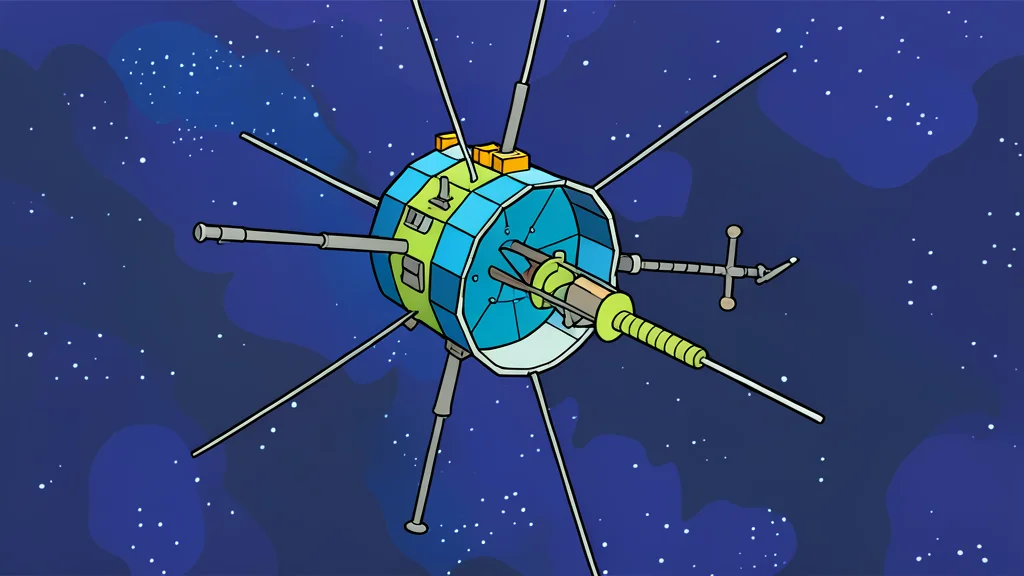
A group of independent researchers successfully reignited a retired NASA probe in 2014, but a critical gas shortage prevented the mission from reaching its final destination.
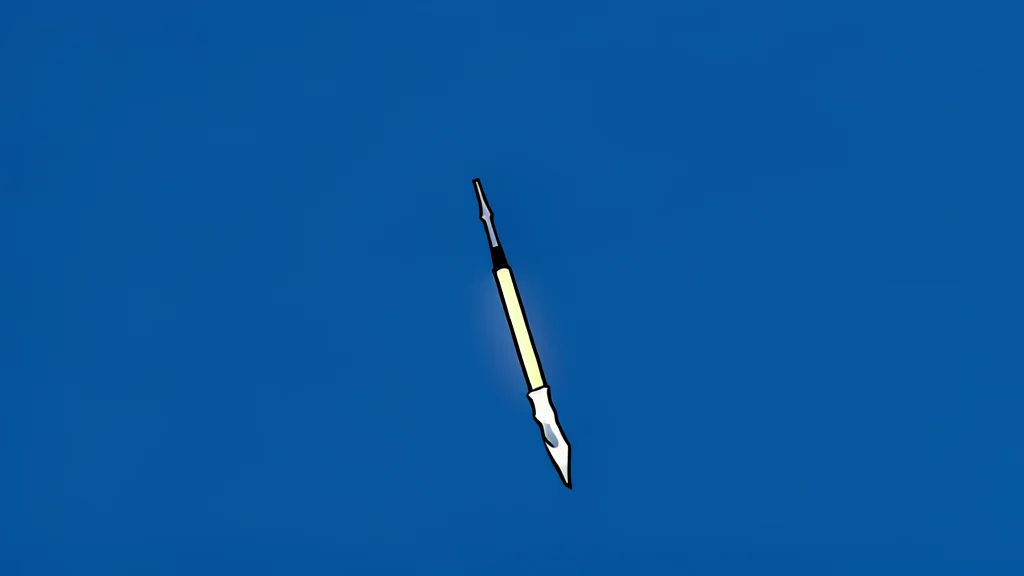
In 2014, a spacecraft that had been silent for decades suddenly began to move again. Launched in 1978, the probe had been officially abandoned by NASA in 1997, with its dedicated ground equipment scrapped and no official budget allocated for its recovery. However, a group of independent engineers and scientists decided to step in. They built a modern command system using software-defined radio and used large radio telescopes to speak to the aging machine. On July 2, 2014, the probe fired its thrusters for the first time since 1987, successfully restoring its spin.
The initial success was significant, but the mission faced a hard stop shortly after. Six days after the spin correction, the team attempted a larger maneuver to reshape the spacecraft's path toward a useful observation point between the Earth and the Sun. The burn failed almost immediately. Telemetry data suggested that the spacecraft had likely lost the nitrogen gas required to pressurize its propulsion system. Without this pressure, the fuel remaining in the tanks could not be pushed through the plumbing to the thrusters, leaving the probe stranded in its current orbit.
A unique path to space discovery
The story of this probe is unusual even for a retired satellite. Originally known as ISEE-3, it was the first spacecraft placed in a halo orbit around a Lagrange point, a position that allows for continuous observation of the solar wind before it reaches Earth. Later, NASA repurposed the vehicle to chase a comet. Renamed the International Cometary Explorer, it became the first spacecraft to visit a comet, passing close to Comet 21P/Giacobini-Zinner in 1985. This dual history of solar observation and comet exploration made it a unique target for the 2014 revival attempt, as noted by GN auto tech/science: space discovery.
The revival effort was made possible by a new kind of partnership. NASA signed a Space Act Agreement with a private group, allowing them to command a spacecraft the agency no longer used. This was the first time NASA permitted a private team to operate a government-owned spacecraft that was not part of an active mission. The arrangement highlighted a shift in how space agencies handle their legacy assets, relying on public funding and private initiative rather than internal budgets.
The limits of aging hardware
The failure of the final burn underscores the physical limits of aging technology. While the team could send commands and receive data, the internal mechanics of the spacecraft were still governed by 1970s engineering. The loss of nitrogen pressure was a hardware issue that software could not fix. This outcome serves as a reminder that reviving old technology is not just about finding the right frequency; it requires that the physical components still function as designed. The probe remains in orbit, but its mission to return to a strategic observation point was cut short by a simple lack of pressure.
A new model for space recovery
Despite the partial failure, the 2014 event changed the landscape for space operations. It proved that citizen scientists and private entities could re-establish contact with long-lost hardware. The legal framework created for this project opened the door for similar efforts in the future. While the probe did not reach its intended destination, the experiment demonstrated that the gap between official agency support and private capability is closing. The trade-off, however, is clear: without full agency backing and modernized hardware, the scope of what can be achieved remains limited by the original design of the spacecraft.