Toyota's $6.4 Billion Factory Automation Bet
Toyota is preparing to spend billions annually to replace human labor with robots, a move that aims to cut costs but requires a massive upfront commitment.
Toyota Motor has projected that modernizing its manufacturing facilities could cost 1 trillion yen, or approximately $6.4 billion, every year starting in 2028. This significant financial commitment is part of a broader strategy to accelerate the deployment of robotics and automation across its global operations. The company aims to address aging infrastructure and persistent labor shortages by shifting much of its production work to machines.
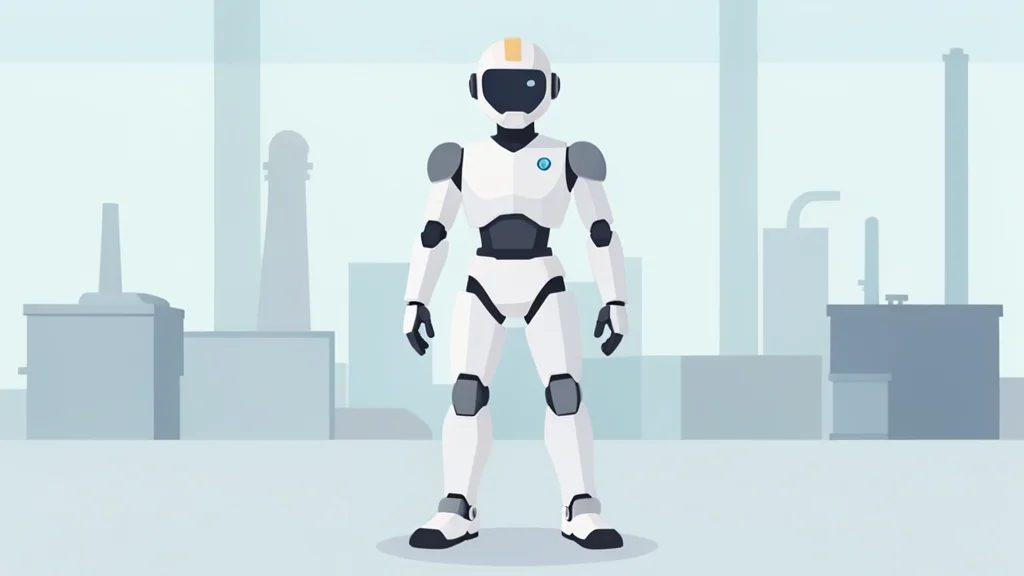
The investment estimate covers Toyota, its group companies, and major suppliers. While the automaker has not confirmed the exact duration of this spending phase, it indicated that roughly 400,000 robots will be required to drive this transformation. This number includes both the replacement of existing industrial machines and the installation of new systems, ranging from traditional mechanical arms to more advanced humanoid models.
Scaling Beyond Traditional Manufacturing
Analysts view this pivot as a potential growth avenue that extends beyond vehicle sales. By expanding into robotics, Toyota may attract investors who are looking for diversified revenue streams. Bernstein, a financial advisory firm, noted that Toyota’s increasing focus on this technology could enhance its market valuation. They expect more frequent announcements regarding robotics as the company refines its strategy.
Industry-Wide Shift Toward Robotics
Toyota is not alone in this transition. Other global automakers are also seeking to increase their use of automated labor. Hyundai, which owns Boston Dynamics, has stated its intention to deploy humanoid robots at its plant in Georgia starting in 2028. This trend reflects a broader industry consensus that automation is necessary to maintain competitiveness in a challenging economic landscape.
The High Cost of Transition
However, the scale of this investment represents a significant financial risk. Spending $6.4 billion annually is a substantial burden that must be weighed against the expected long-term savings. The success of this strategy depends on whether the efficiency gains from automation can justify the high initial capital expenditure. For now, the company is betting that the future of manufacturing lies in human-robot collaboration rather than purely human labor.