Apple Builds Screenless Band to Rival Whoop and Oura

Apple is prototyping a screenless health band to compete with specialized fitness rivals, with a potential launch as early as 2028.
Key points
- Apple is developing a screenless fabric wristband with a sensor module to rival Whoop and Oura.
- The project is in the prototype phase, with a potential release date no earlier than 2028.
- Apple executives are pushing for simpler health interfaces to compete with specialized fitness rivals.
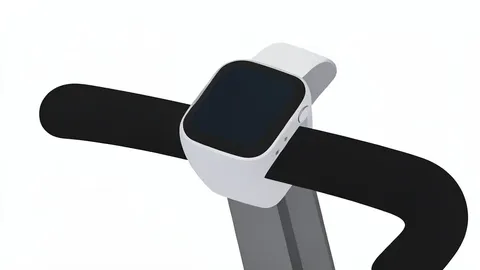
Apple is developing a new health and fitness tracker that lacks a screen, aiming to compete directly with specialized devices from Whoop and Oura. According to reports from The Edge Malaysia, the company has been exploring this category for several months and is now building prototypes. This move signals a significant shift in how Apple approaches the wearable market, moving away from its display-centric Apple Watch strategy.
The device is described as a thin fabric wristband featuring a small, smooth sensor module, designed to track health metrics without the distraction of a screen. This approach contrasts sharply with the Apple Watch, which combines fitness tracking with apps, notifications, and other smart functions. By stripping away the display, Apple is targeting users who prefer a simpler, dedicated health tool.
Simpler design targets dedicated health users
The primary motivation behind this project is the rapid growth of competitors like Whoop and Oura, which have millions of users focused solely on health data. These rivals offer interfaces that are less cluttered and more focused on readiness and biological age estimates. Apple executives, including Tim Cook and Eddy Cue, have shown particular interest in adopting similar features to remain competitive in this niche.
This strategic pivot comes as Apple undergoes a leadership transition in its watch and health divisions. Several key figures have left the company, prompting a reevaluation of their product roadmap. The new device aims to capture the segment of consumers who find the Apple Watch too complex for their specific health tracking needs.
Release timeline and market competition
The project remains in a preliminary phase, and if Apple proceeds, the device likely will not debut before 2028. This long development window allows Apple to refine the sensor technology and ensure the device meets its high standards for accuracy and reliability. The delay also gives competitors time to solidify their market positions.
Market reaction has been mixed, with Garmin shares falling slightly after the news broke, while Apple stock remained stable. Other tech giants are also entering the screenless wearable space, with Google launching the Fitbit Air and Garmin offering display-free bands. Apple’s entry will test whether its brand power can overcome the preference for specialized, minimalist health tools.
Internal engineering and AI integration
Members of Apple’s Vision hardware team are participating in the early engineering work for the tracker. This group has experience with complex wearable technologies, including the Vision Pro headset and upcoming smart glasses. Their involvement suggests Apple is leveraging advanced sensor and computing capabilities to differentiate the new band from existing competitors.
Apple is also integrating artificial intelligence into its health ecosystem, with recent updates to the Health app offering cleaner interfaces and advanced metrics. The company has explored AI-driven features for summarizing activities and analyzing biological age. These efforts indicate a broader strategy to make health data more actionable and accessible, rather than just raw data collection.