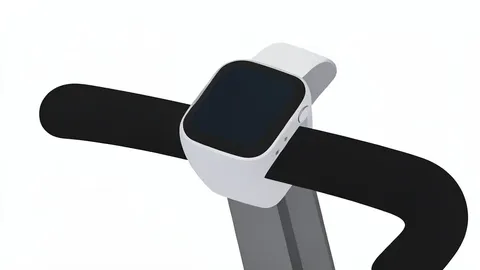
Apple Develops Screenless Fitness Band with 2028 Target

Apple is building a screenless health tracker similar to Whoop, aiming for continuous monitoring without a display, potentially launching after 2028.
Key points
- Apple is developing a screenless fitness band with a flexible fabric design and integrated sensor module.
- The device aims for longer battery life and passive health monitoring, targeting the market occupied by Whoop and Oura.
- A launch is not expected before 2028, as the project remains in the prototype stage with executive support.
Apple is reportedly developing a new wearable device that abandons the traditional screen entirely. According to reports from The News International, the company is working on a flexible fabric band equipped with a small sensor module. This design mirrors the approach of competitors like Whoop and Oura, focusing on passive health monitoring rather than active interaction with a display.
The project has received high-level support from executive leadership, including Eddy Cue, who took charge of Apple’s health team last year. The move signals a strategic shift toward distraction-free technology. While Apple remains a dominant force in the smartwatch market with its feature-rich Apple Watch, this new initiative targets users who prefer minimalism and continuous biometric tracking over notifications and apps.
Design prioritizes battery life over features
The core of this device is a flexible webbed filament with an attached sensor unit. By removing the screen, Apple can significantly reduce power consumption. This allows for longer battery life and more consistent background data collection, such as heart rate and sleep patterns, without the user needing to charge the device frequently or manage a complex interface.
However, this minimalist approach comes with a trade-off. Users will lose the ability to view data instantly, receive notifications, or control other Apple products directly from their wrist. The experience will be strictly passive, requiring users to sync their data via a phone or computer to view detailed insights. This suits those who want health insights without the constant engagement typical of smartwatches.
Competitive pressure drives strategic shift
The decision to enter this niche is driven by the rapid growth of screenless competitors. Oura, for instance, is preparing for a public listing and recently reported selling 3.6 million rings in one year, with revenue jumping 74% to $1.21 billion. This surge shows a substantial market for consumers who value wellness data but dislike the complexity of smartwatches.
Apple is not the only major player adjusting its strategy. Garmin and other brands are also expanding their offerings in this space. By launching a screenless tracker, Apple aims to capture this segment without cannibalizing its existing Apple Watch sales, which remain strong. It positions the company to offer a choice between a full-featured smartwatch and a dedicated, low-power health monitor.
Launch timeline remains uncertain for buyers
Despite executive backing, the device is still in the prototype phase. Reports indicate that a launch is not expected before 2028. This long development timeline reflects the complexity of integrating precise biometric sensors into a flexible fabric band while maintaining battery efficiency. Consumers should not expect to see this product on store shelves in the near future.
For now, the market for screenless health trackers remains dominated by specialized brands. Apple’s entry will likely intensify competition and potentially lower prices for these types of devices. Until the official release, users seeking this specific style of wellness tracking must rely on existing third-party options, which vary widely in accuracy and ecosystem integration.