Choosing Between Screenless Trackers and Smartwatches
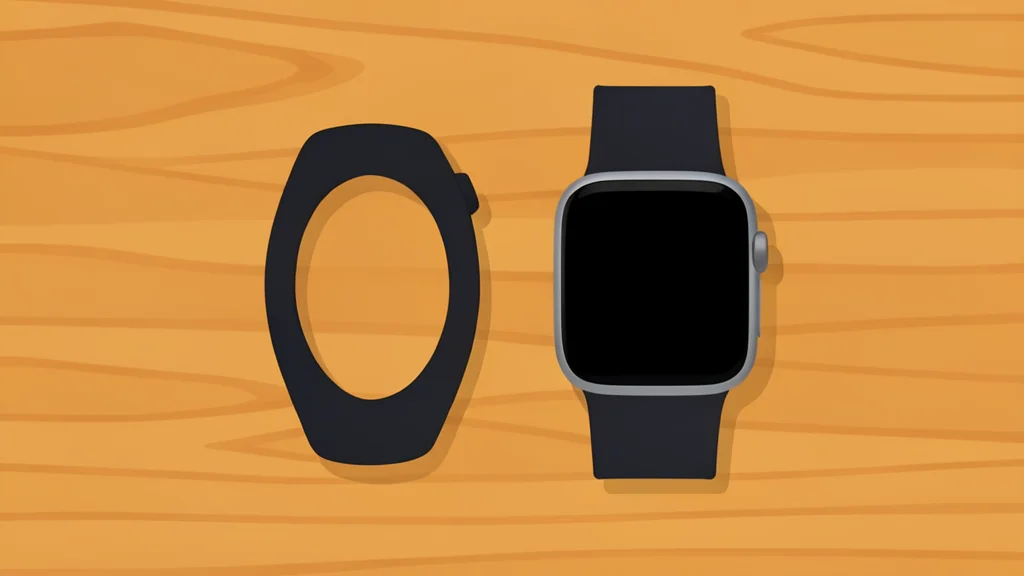
The best wearable depends on whether you need live workout feedback or long-term health insights.
Choosing between a screenless fitness tracker and a smartwatch in 2026 is less about which device has more sensors and more about when you need the data. A smartwatch provides immediate feedback during a workout, while a screenless band focuses on analyzing your body’s long-term patterns after the fact. This distinction determines how effectively the device supports your daily goals.
According to GN auto tech/wearables: fitness tracker, the practical choice hinges on your preference for real-time interaction versus passive monitoring. If you rely on pace, navigation, or live heart rate zones, a watch is essential. If you prioritize sleep quality and recovery trends, a band offers a simpler, less distracting experience. Understanding this trade-off prevents buying a device that fails to meet your specific needs.
Live Feedback Drives Workout Performance
Smartwatches excel at providing immediate information during physical activity. They display metrics like pace, cadence, and heart rate zones in real time, allowing athletes to adjust their effort instantly. This direct feedback loop is critical for runners and cyclists who need to manage intensity without checking a phone. The screen acts as a coach, guiding every step of the session.
Screenless trackers approach exercise differently. They record data quietly and analyze it later, often integrating it into broader health metrics like strain and recovery. This model suits users who care more about managing total training load than checking individual intervals. However, you lose the ability to make split-second decisions based on live numbers, which can be a significant disadvantage for competitive sports.
GPS Capabilities Create Practical Limits
Built-in GPS remains a major structural difference between the two form factors. Many screenless bands rely on a paired smartphone for location data, meaning they cannot function independently for outdoor activities. This dependency limits their utility for hiking, running, or cycling where you might not carry a phone. You risk losing accurate route tracking and safety features if the phone is left behind.
Smartwatches, by contrast, often include standalone GPS and offline maps. This allows them to serve as the sole device on your wrist for navigation and safety. The ability to track a route and share location without external hardware provides a level of independence that screenless trackers typically lack. For active users, this self-sufficiency is a key advantage.
Battery Life and Daily Convenience
Battery longevity favors screenless trackers, which can last days or even weeks without charging. This reduces the friction of daily maintenance and makes them easier to wear continuously. Smartwatches, with their active displays and constant connectivity, generally require more frequent charging. This convenience factor can influence which device you are willing to keep on your wrist for extended periods.
Ultimately, the best choice depends on your primary use case. If you need a tool for live training and navigation, a smartwatch is the stronger option. If your focus is on sleep, recovery, and long-term health trends, a screenless tracker offers a cleaner, less intrusive solution. Many users even combine both, using a watch for workouts and a band for passive health monitoring.