Volvo Doubles Electric Range for 2028 SUVs
Volvo is significantly expanding the all-electric capability of its popular SUVs, offering nearly double the previous range without changing the engine. This update targets drivers who want electric convenience for daily commutes but still need gasoline for long trips.
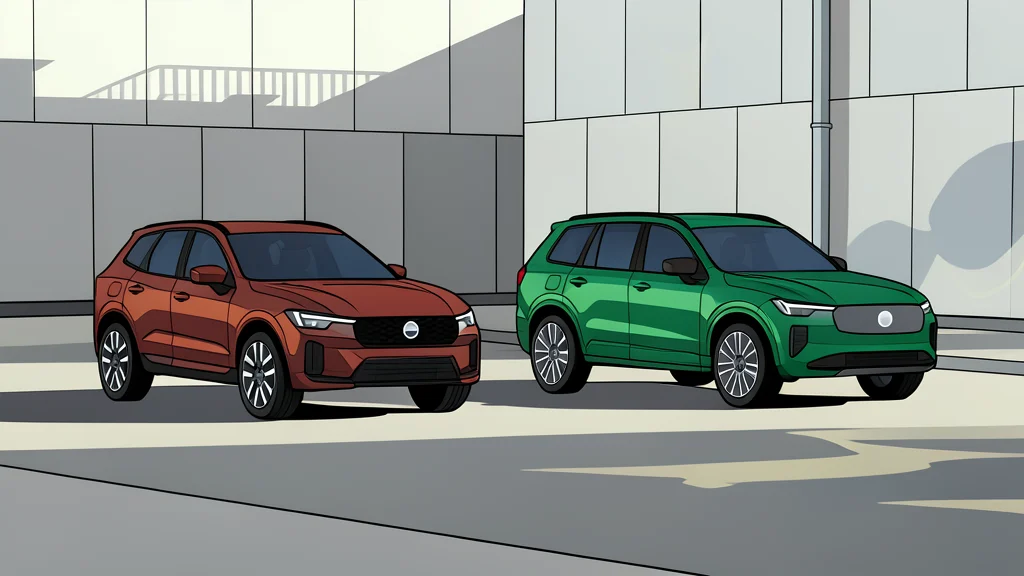
Volvo is betting on a middle path for drivers who are interested in electric vehicles but hesitant to give up gasoline. For the 2028 model year, the company is updating its XC60 and XC90 SUVs with a much larger battery pack. This change effectively doubles the distance these cars can travel on electricity alone, addressing a major concern for potential buyers who worry about running out of power on longer drives.
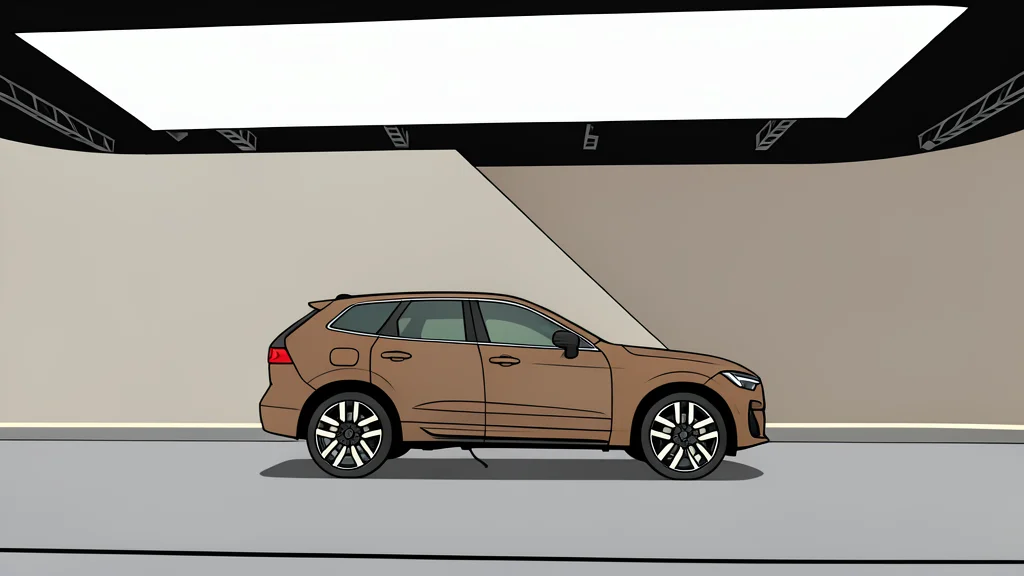
The core mechanical setup remains familiar, retaining the 2.0-liter turbocharged engine and electric motors found in previous models. However, the new battery holds 41.2 kilowatt-hours of capacity. This allows the five-passenger XC60 to travel 78 miles on a single charge, a significant jump from the 35 miles offered before. When combined with a full tank of gas, the total range extends to 590 miles, making it a practical option for both city commuting and road trips.
Bigger battery changes daily driving
This increase in electric range makes the vehicles more useful for daily routines. Most drivers can now complete their commute to work or school multiple times before needing to plug in. The larger battery does not sacrifice performance; the XC60 still produces 455 horsepower and reaches 60 mph in 4.5 seconds. For those who prefer a simpler setup, Volvo continues to offer mild-hybrid versions that do not require external charging.
Upgraded safety and driver assistance
Alongside the range improvements, Volvo has enhanced the safety technology in these models. The new vehicles feature an additional radar sensor and upgraded cameras that provide a better view of the surroundings. A more powerful processor handles this data, enabling new features like automated highway lane changes. Engadget notes that this hardware upgrade also allows for future improvements through over-the-air software updates, meaning the car's capabilities can grow after purchase.
Subtle exterior and interior changes
Visually, the updates are understated. The front and rear ends of the cars have been refined, with new LED lighting that can dim specific sections to avoid blinding oncoming traffic. Inside, the familiar vertical touchscreen remains, now with a slightly larger display and updated software. Importantly, Volvo has kept the physical volume knob and other essential controls, avoiding the trend of removing buttons in favor of touch-only interfaces. The overall design remains sleek and modern, prioritizing function over flashy aesthetics.