Volvo Pushes Plug-In Hybrid Range to 78 Miles
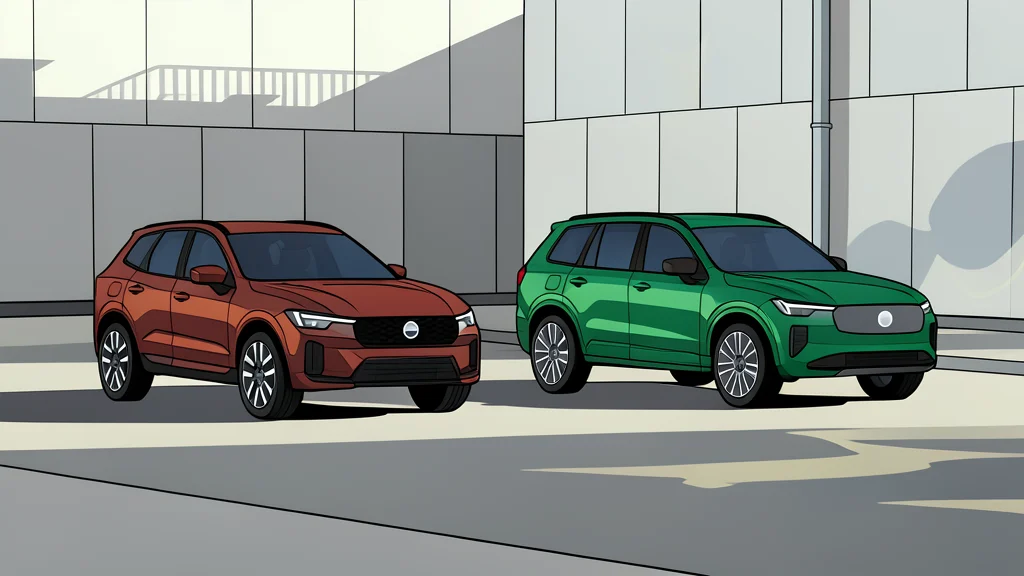
Volvo claims its updated XC60 and XC90 now offer the longest electric-only range in their class, doubling previous capabilities to address the gap between hybrid convenience and pure EV performance.
Most plug-in hybrid vehicles today manage between 30 and 50 miles on battery power alone. While this range helps with short commutes, it rarely covers a full day of driving without tapping into the gasoline engine. Volvo is trying to change that dynamic with its latest updates to the XC60 and XC90 SUVs. The Swedish automaker states that these models now deliver the longest electric range of any plug-in hybrid currently available in the American market.
The updated vehicles are reported to achieve 78 miles of electric-only range for the XC60 and 73 miles for the XC90. These figures, which are based on preliminary EPA testing standards, represent more than double the range of the previous generation. If confirmed, this milestone would position Volvo’s hybrids as a serious alternative for drivers who want the backup of a gas tank but prefer to operate in electric mode for the majority of their daily travel.
Battery placement drives efficiency gains
To achieve these numbers, Volvo borrowed design principles from its all-electric lineup. The company integrated the battery directly into the floor of both vehicles, a move that improves structural rigidity and energy efficiency. Both the XC60 and XC90 now feature higher-capacity batteries with a total energy of 41.2 kilowatt-hours, of which 37.9 kilowatt-hours are usable.
This larger capacity allows the powertrain to send more energy to the motors, resulting in increased power output. However, there is a trade-off to consider. Larger batteries add significant weight to the vehicle, which can slightly impact fuel economy in hybrid mode. Furthermore, the practical benefit of this range depends entirely on the driver charging the vehicle regularly. Many hybrid owners neglect charging due to the availability of the gas tank, meaning the extended electric capability may go unused for some buyers.
Design updates and software integration
Alongside the mechanical changes, the XC60 receives a visual refresh to align with Volvo’s current design language. This includes a new grille, redesigned bumpers, and updated LED headlights. Safety features have also been expanded, with the addition of Automatic Emergency Steering and Braking, as well as a door-opening alert for cyclists. The infotainment system now includes Google’s Gemini chatbot as the voice assistant, continuing the automaker’s long-standing partnership with Google.
According to GN auto tech/ev: electric vehicle, these updates are part of a broader strategy. Volvo plans to begin production in late 2026, with customer deliveries starting in early 2027. The company hopes that strong sales of these long-range hybrids will help fund its future pure electric models, including the upcoming EX50 and EX60.
Strategic role in Volvo’s future
The push for higher hybrid range is not just about competing with other PHEVs; it is a financial lever for Volvo’s transition to full electrification. By making the plug-in hybrid option more attractive to a wider audience, the company aims to generate the necessary revenue to support its next generation of dedicated electric vehicles. This approach attempts to bridge the gap for consumers who are not yet ready to commit to a pure EV but still want to minimize their gasoline consumption.