Fitbit Air vs Garmin Cirqa: The Real Cost of Screenless Tracking
A $201 price difference separates two popular screenless trackers, but the trade-offs in battery life and features define their value.
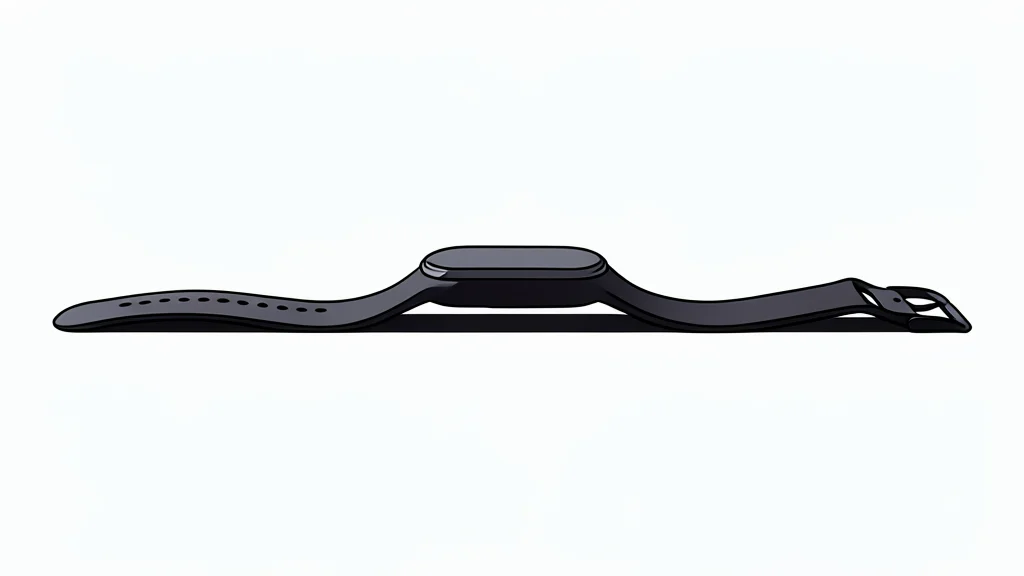
The choice between the Fitbit Air and the Garmin Cirqa comes down to what you are willing to sacrifice for a clean, minimalist look. While both devices eliminate the distraction of a screen, they approach the user experience from very different angles. The Fitbit Air leans into modern convenience and ecosystem integration, whereas the Garmin Cirqa prioritizes rugged durability and long-term battery performance. This divergence creates a significant gap in both price and utility, forcing buyers to decide whether they value smart features or raw data reliability more.
According to reporting from GN auto tech/wearables: fitness tracker, the Garmin Cirqa stands out for its precision in activity detection and its ability to last for days on a single charge. However, this comes at a steep cost, with a price tag that is $201 higher than its main competitor. For many consumers, the question is no longer just about tracking steps, but about whether the premium paid for Garmin’s ecosystem and build quality is justified by the lack of basic smart features like notifications.
Durability Over Smart Convenience
The Cirqa is built for users who view their tracker as a tool rather than a gadget. Its screenless design appeals to those who want discreet wearability without the constant ping of digital alerts. The device excels in automatic detection of activities like walking and cycling, providing reliable data without requiring manual input. This focus on core functionality makes it a strong choice for athletes or travelers who need a device that simply works, even if it lacks the polish of modern smartwatches.
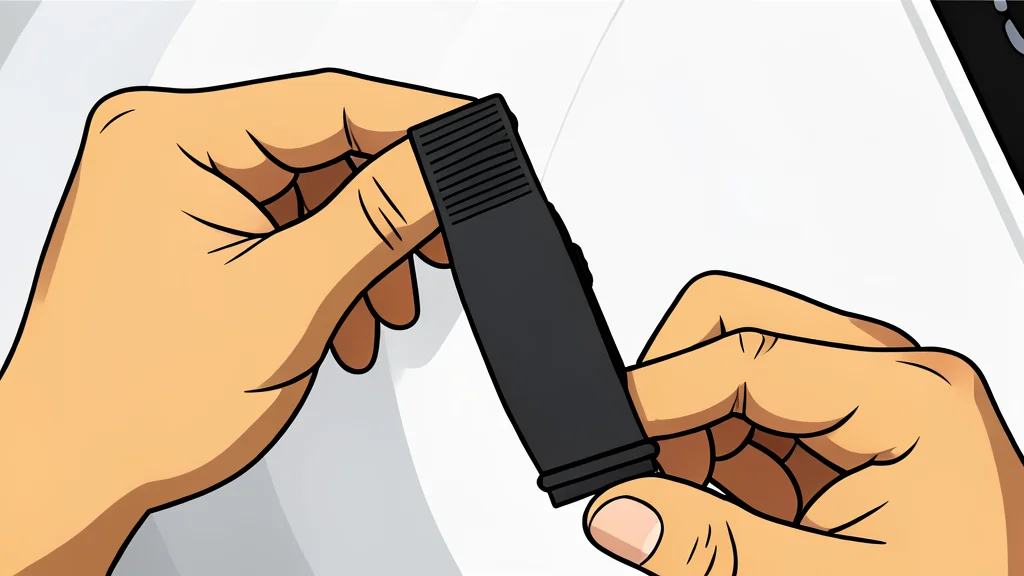
However, this minimalist approach has clear limitations. The absence of a screen means you cannot check notifications, control music, or view immediate data without pulling out your phone. Additionally, the device is bulkier than its competitors, which may feel intrusive during sleep or daily wear. Users accustomed to sleeker, lighter bands might find the trade-off between durability and comfort difficult to justify, especially when a lighter alternative is available at a lower price point.
Battery Life Meets Ecosystem Lock-in
One of the Cirqa’s strongest selling points is its exceptional battery life, capable of lasting several days on a single charge. This makes it a low-maintenance option for busy users who do not want to charge their wearable every night. In contrast, the Fitbit Air often requires more frequent charging, a trade-off for its slightly slimmer profile and broader app compatibility. For frequent travelers, the Garmin’s longevity is a significant advantage, reducing the anxiety of running out of power during a trip.
The integration with the Garmin ecosystem adds layers of data such as body battery monitoring and readiness scores, which provide deeper insights into recovery and health. While these metrics are valuable, they are tied to an app interface that many users describe as outdated and clunky. This creates a friction point where the hardware is robust, but the software experience may not meet the high expectations set by the premium price tag. Users must weigh the depth of this data against the usability of the platform.
The High Price of Precision
At a price point significantly higher than the Fitbit Air, the Cirqa demands a clear justification for its cost. The $201 difference is not just a marketing figure; it reflects the additional costs of rugged materials and proprietary sensor technology. However, for the average consumer, this premium may not translate into a better daily experience. If you do not utilize advanced health metrics or require the specific durability of the Cirqa, the extra expense may not be worth the loss of smart features.
Ultimately, the decision rests on your priorities. If you value a lightweight, feature-rich device that integrates seamlessly with your phone, the Fitbit Air offers better value. If you prioritize long battery life, accurate activity tracking, and a rugged build, the Garmin Cirqa is the superior choice, provided you are comfortable with its bulkier design and higher price. There is no perfect option, only the one that aligns with your specific needs and budget.