Nordic Launches Budget Chip for Smart Home Sensors
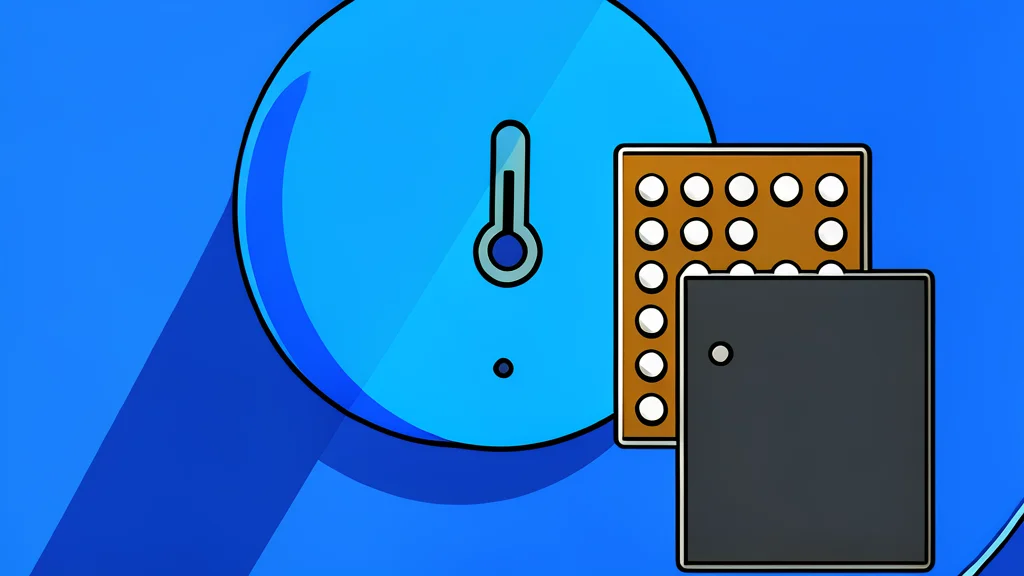
A new low-cost silicon component aims to make basic smart home devices and asset trackers cheaper and easier to build, supporting multiple connectivity standards in a single package.
Nordic Semiconductor has introduced the nRF54LC10A, a system-on-chip designed specifically for entry-level applications. The component supports Bluetooth Low Energy, Thread, Zigbee, and Matter protocols within a single small package. This integration allows manufacturers to create simple devices like asset trackers and smart home sensors without needing multiple separate connectivity chips.
The chip is built around an Arm Cortex-M33 core running at 128MHz, paired with a RISC-V coprocessor. It includes 192kB of static RAM and over 1MB of non-volatile storage. This configuration targets cost-sensitive markets where keeping the overall bill of materials low is essential. The design prioritizes efficiency and basic connectivity over high-performance computing tasks.
Multiple Protocols in One Package
A key feature of the nRF54LC10A is its radio block, which handles Bluetooth Low Energy and IEEE 802.15.4-2020 standards. This allows the chip to speak Thread and Zigbee natively. According to the company, this eliminates the need for developers to choose between different wireless standards. It simplifies the design process for products that need to fit into the Matter smart home ecosystem.
The device also includes standard peripherals such as an eight-channel analog-to-digital converter and various communication buses like I2C and SPI. A global real-time clock remains active even when the system is in off mode, which is useful for low-power tracking tags. These features support the creation of simple, battery-operated devices that communicate occasionally rather than constantly.
Targeting Cost-Sensitive Applications
Nordic Semiconductor states that the primary goal is to reduce hardware costs for simple products. The chip is aimed at asset trackers and basic Matter-enabled sensors. By consolidating connectivity options into one affordable component, manufacturers can lower their production expenses. This is particularly relevant for high-volume devices where even small cost savings per unit add up significantly.
The company suggests the chip could also serve as a communications coprocessor in more powerful smart home hubs. In this role, it would handle Thread-specific tasks, freeing up the main processor for other duties. This versatility makes the component suitable for a range of products, from standalone sensors to part of a larger home automation system.
Availability and Production Timeline
Samples of the nRF54LC10A are currently available for evaluation. Development kits are expected to launch in the first quarter of 2027. Mass production of the chips is scheduled for the second quarter of the same year. This timeline gives developers time to design and test products before the components become widely available.
As reported by GN technics/smarthome (en-US), this launch represents a focused effort to serve the lower end of the market. The trade-off is that the chip does not offer the high-performance capabilities of more expensive Nordic components. However, for simple sensors and trackers, the reduced cost and integrated connectivity provide a practical solution for manufacturers and developers alike.