Five Niche Trackers Break Away from Smartwatch Uniformity
From blood pressure cuffs to 400-day battery life, these devices offer distinct alternatives to standard smartwatches.
Key points
- Huawei Watch D3 integrates a blood pressure cuff into a standard smartwatch design.
- LightInk offers 400 days of battery life using solar power and e-ink technology.
- Hybrid watches like the Withings Scanwatch 2 combine digital features with mechanical hands.
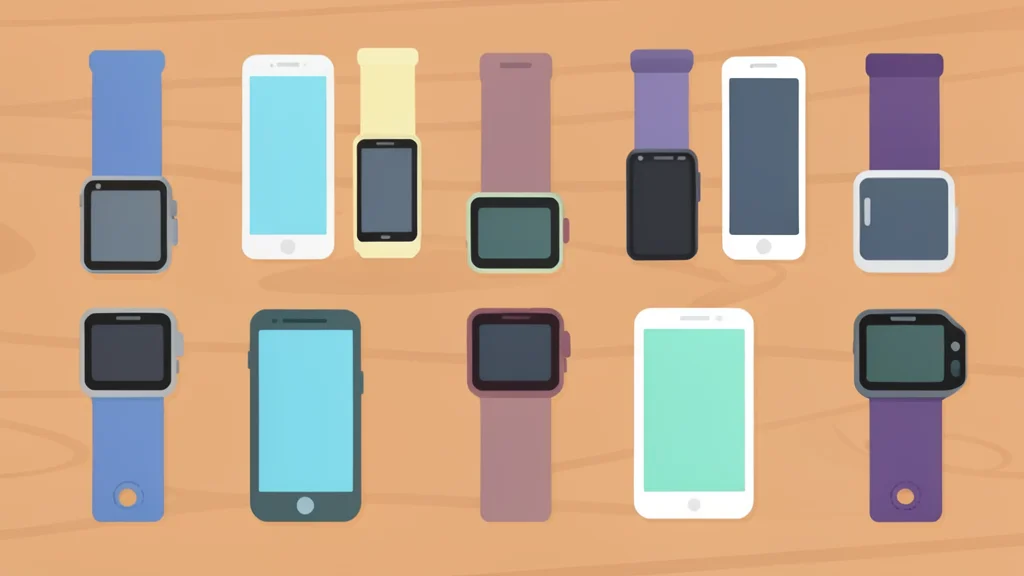
The current market for smartwatches is dominated by a handful of similar designs that prioritize maximum feature density. While these ultra-capable devices are impressive, many users find the experience increasingly homogeneous. This uniformity has prompted a search for alternatives that prioritize specific functions or unique aesthetics over general-purpose utility.
Several manufacturers are responding to this demand by creating devices that deviate significantly from the norm. These include watches with medical sensors, hybrid analog-digital mechanisms, and ultra-low-power designs that sacrifice connectivity for extreme endurance. According to a recent roundup on tech.yahoo.com, these niche products offer distinct trade-offs for those looking to step outside the mainstream ecosystem.
Medical sensors meet traditional design
Huawei has introduced the Watch D3, which appears similar to standard modern smartwatches but includes an integrated blood pressure cuff. This feature allows for continuous health monitoring without requiring a separate medical device. The inclusion of such a sensor in a consumer wearable represents a significant shift in how personal health data is collected.
For users who prefer a classic aesthetic, brands like Garmin and Withings offer hybrid options. The Garmin Instinct Crossover and Withings Scanwatch 2 combine digital smartwatch functionality with traditional mechanical hands. These devices maintain popularity by blending the visual appeal of analog timepieces with the practical benefits of digital tracking, catering to those who find purely digital screens visually unappealing.
Minimalism and extreme battery endurance
On the opposite end of the spectrum, the Jaye band offers an ultra-minimalist approach. It features a tiny screen that displays only the most critical notifications, aiming to reduce digital distraction. This design philosophy prioritizes mental clarity over comprehensive connectivity, appealing to users who feel overwhelmed by the constant stream of information provided by standard smartwatches.
The LightInk device takes endurance to a new level by operating for up to 400 days on a single charge. This is achieved through solar charging and the use of a low-energy monochrome e-ink display instead of vibrant AMOLED screens. To achieve this runtime, the device strips back smart features significantly, and its open-source nature allows for customization via 3D printing and basic components.
Trade-offs in specialized functionality
Each of these devices requires users to accept specific limitations in exchange for unique benefits. The Huawei Watch D3 offers medical-grade data but lacks the broad app ecosystem of general smartwatches. The hybrid models provide a classic look but may lack the processing power for complex fitness algorithms.
The LightInk and Jaye bands sacrifice real-time connectivity and vibrant displays for longevity and simplicity. These trade-offs highlight a growing segment of the market that values specific, high-quality functions over general-purpose capability, challenging the assumption that more features always equate to a better user experience.