Huawei Watch D3 ECG: Capabilities and Limits
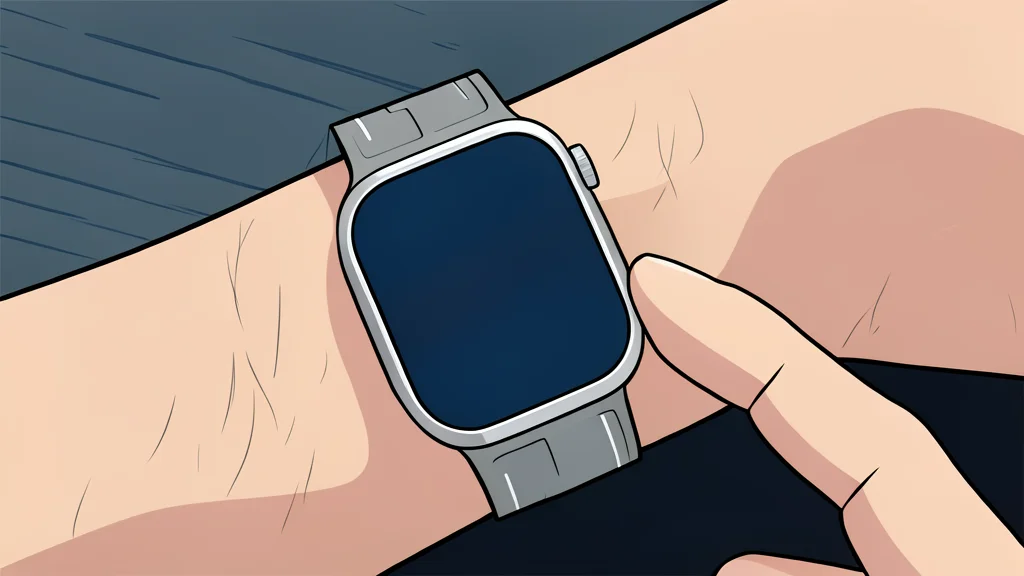
The Huawei Watch D3 integrates a certified ECG sensor to help detect heart rhythm issues, but it does not replace a full clinical examination.
Huawei has introduced the Watch D3, a smartwatch that prioritizes health monitoring through an integrated electrocardiogram feature. According to a detailed review by GN auto tech/wearables, the device captures heart electrical activity to help identify irregular rhythms. This functionality is becoming common in modern wearables, yet the distinction between recording data and diagnosing conditions remains a critical factor for users.
While many affordable smartwatches can record ECG signals, the reliability of the automatic analysis varies significantly. Experts advise relying on certified medical devices for this purpose. The Watch D3 falls into this certified category, offering a level of accuracy that supports the detection of arrhythmias, which are significant risk factors for cardiovascular events. However, the device is designed for specific monitoring tasks rather than comprehensive cardiac diagnostics.
How the Sensor Measures Heart Activity
The ECG function operates by closing an electrical circuit through the body using two isolated electrodes. As the heart beats, it generates minute changes in electrical potential within the cardiac muscle cells. These sensors detect the signals and process them internally to filter out noise. Users often see the signal stabilize on the screen within seconds as the system optimizes its settings for a clear reading.
This mechanism captures a specific view of the heart's activity, known as Einthoven’s Lead I. It measures the potential difference between the right and left arms, isolating the lateral wall of the heart. This single-lead approach is sufficient for detecting certain rhythm disturbances but does not provide a multi-angle view of the entire heart muscle.
Limitations of Single-Lead Recordings
Clinical diagnostics typically use a 12-lead ECG, which requires ten distinct electrodes to measure heart activity from multiple angles. This standard allows doctors to analyze specific regions of the heart muscle in detail. In contrast, the smartwatch records only one lead, which limits its ability to detect localized muscle damage or infarctions in areas not covered by that specific measurement.
This technical constraint means that even a flawless recording on a smartwatch cannot replace a full clinical examination. Manufacturers, including Huawei, explicitly state these diagnostic boundaries in their documentation. The device is not intended to cure all heart-related issues or provide a complete medical diagnosis, but rather to serve as a monitoring tool for specific conditions.
Practical Benefits for Daily Monitoring
The primary advantage of the Watch D3 is its constant presence on the wrist. It allows users to capture potential rhythm disturbances on demand in everyday situations, such as during a workout or while waiting for public transport. This accessibility can be crucial for catching transient arrhythmias that might occur outside of a clinical setting.
However, each individual measurement is capped at 30 seconds, meaning the device relies on statistical probability to capture an event. While a 24-hour Holter monitor provides a continuous record, it may miss brief, paroxysmal arrhythmias if they do not occur during that specific window. The smartwatch offers a different trade-off: it is always available for spot checks, increasing the odds of recording symptoms as they happen.