Lead-Free Solar Cells Aim to End Smartwatch Battery Anxiety
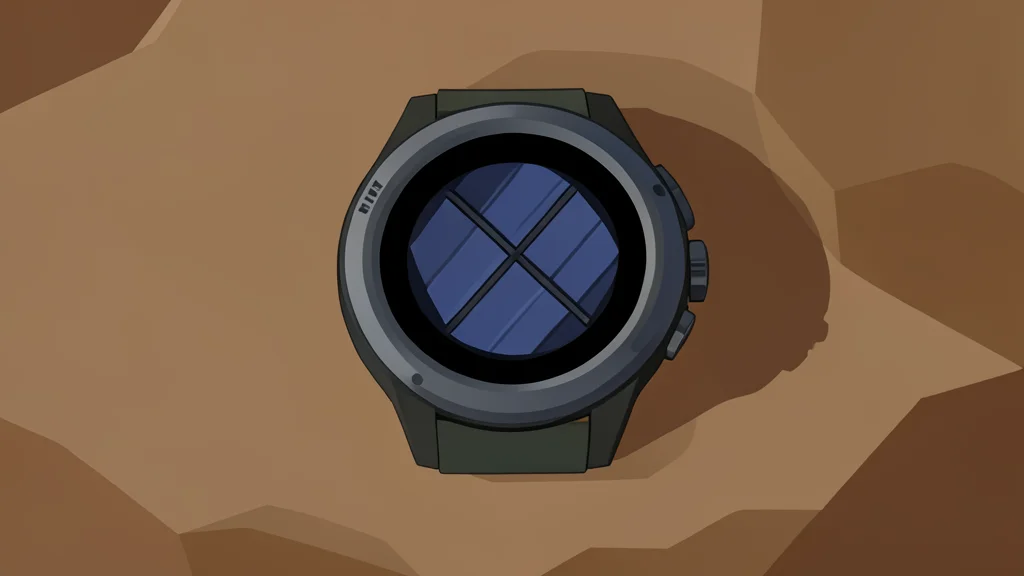
University of Queensland researchers have developed a flexible, lead-free solar material designed to power health wearables without traditional batteries.
Most health wearables suffer from a persistent flaw: short battery life. Users often find themselves constantly plugging in devices that track glucose or heart rate, only to discover them dead when needed. This reliance on regular charging creates friction for patients who need continuous monitoring, making the current model of battery-dependent health tech less reliable than it should be.
Researchers at the University of Queensland are proposing a different solution. Instead of improving battery density, they have developed a lead-free indoor solar cell. This technology is designed to harvest energy from ambient indoor light, potentially allowing small health gadgets to operate indefinitely without a battery or the need for frequent recharging.
Replacing batteries with ambient light harvesting
Traditional solar panels rely on lead, a toxic material that poses risks if it breaks down or is exposed. While safe in large, sealed outdoor applications, lead is problematic for small wearables that sit directly on the skin. The new material developed by Dr. Miaoqiang Lyu and his team eliminates this toxic component, creating a safer option for devices intended for long-term, close-contact use.
The innovation lies in its ability to function efficiently under artificial indoor lighting rather than direct sunlight. This makes it suitable for the environments where most people spend their time. By converting everyday room light into power, the technology aims to provide a low-maintenance energy source that keeps sensors and processors running without user intervention.
Safety concerns with traditional solar materials
The World Health Organisation warns against exposure to lead, a concern that becomes acute when the material is integrated into flexible electronics. Standard solar cells often contain lead that is sealed away, but in a wearable band, physical stress and wear could eventually compromise that seal. The lead-free alternative addresses this by removing the hazardous element entirely, offering a low-toxicity solution for personal health monitoring.
Challenges in scaling wearable energy tech
While the potential for always-on health monitoring is significant, the technology is still in the research phase. There is no confirmed timeline for commercial availability, and the efficiency of indoor light harvesting varies based on lighting conditions and distance from sources. Users should not expect this to replace current smartwatch standards immediately, as the technology needs to prove its reliability in diverse, real-world indoor environments.
If successful, this approach could reshape how we design small electronics. It offers a path toward devices that are more sustainable and easier to use, removing the anxiety of charging. As reported by GN auto tech/wearables, this shift could eventually allow for a new generation of healthcare devices that are safer and more integrated into daily life, provided the technical hurdles of consistent energy capture are overcome.