Garmin Enduro 4 and Tactix 9 Confirmed in New Filings
Regulatory documents confirm that two new lines of rugged smartwatches are moving toward release, signaling a shift in how outdoor and tactical devices handle power and precision.
Garmin has officially acknowledged the development of the Enduro 4 and the Tactix 9 series through recent compliance submissions to the Eurasian Economic Union. These filings, dated August 31, 2026, serve as a standard regulatory checkpoint that often precedes the public launch of new hardware. While the documents do not list specific technical specifications, their presence indicates that these devices are in the final stages of preparation for market entry.
For consumers tracking the evolution of wearable technology, these submissions are a significant milestone. Historically, Garmin has used similar regulatory steps to signal upcoming releases, a pattern observed with previous models like the Tactix 8 and Enduro 2. The confirmation suggests that the next generation of endurance and tactical smartwatches is imminent, though exact release dates and pricing remain undisclosed.
Regulatory Steps Signal Imminent Release
Submitting compliance documents to international bodies is a routine requirement for electronic devices entering specific markets. For Garmin, this process has become a reliable indicator of product timelines. The inclusion of the Enduro 4, Tactix 9, and the specialized Tactix 9 Ballistics Edition in these filings confirms that the hardware is complete enough to undergo safety and standards testing. This stage typically means that the devices are no longer in early prototype phases but are ready for final validation.
The primary trade-off for early adopters is the lack of transparency. While the existence of the devices is now verified, the filings reveal nothing about internal components, battery capacity, or software capabilities. This leaves the precise timeline for consumer availability uncertain, with industry observers suggesting a potential debut in early 2027. The silence on specifics is a deliberate strategy that maintains anticipation while allowing the manufacturer to finalize last-minute adjustments to the hardware.
Endurance Focus Meets Tactical Precision
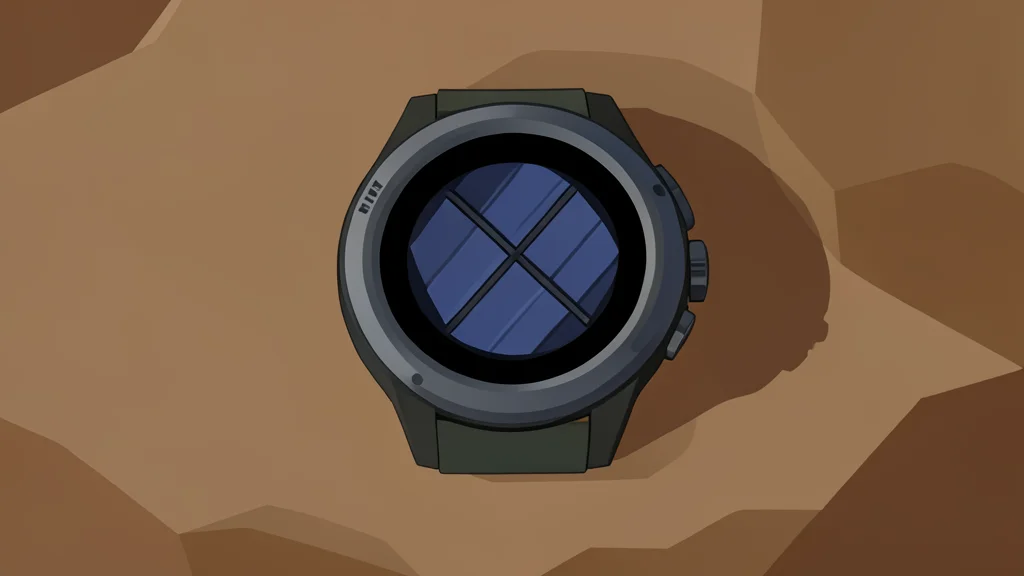
The Enduro 4 is designed for athletes who prioritize long-duration performance in extreme environments. Building on the reputation of its predecessors, this model is expected to feature robust construction and extended battery life. Key improvements may include enhanced solar charging capabilities and advanced health monitoring metrics, which are critical for users who spend days away from reliable power sources. The focus remains on reliability, ensuring that the device can withstand harsh conditions while providing accurate data for navigation and physiological tracking.
Conversely, the Tactix 9 series targets professionals in tactical fields. The standard Tactix 9 and the specialized Ballistics Edition are anticipated to offer ruggedized designs with advanced navigation tools. The Ballistics variant, in particular, is expected to integrate precision shooting calculations, a feature that requires high-accuracy GPS and specialized software algorithms. This separation of features highlights Garmin’s strategy of tailoring its hardware to specific professional needs, where reliability and specific utility outweigh general consumer appeal.
Innovation Shared Across Flagship Lines
These new models are likely to share underlying technological advancements with Garmin’s flagship Fenix series. Industry analysis suggests that improvements in GPS accuracy and display durability seen in recent flagship releases may be integrated into the Enduro and Tactix lines. This cross-pollination of technology ensures that users of specialized devices benefit from the same core innovations as those using general-purpose premium watches. It also indicates a standardized approach to hardware development, reducing the risk of component failures across the product ecosystem.
However, the integration of these features comes with a cost. Specialized models often command higher price points due to their niche functionality and rugged materials. For buyers, the decision involves weighing the added utility of ballistic calculations or extended solar charging against the premium price. As GN auto tech and wearables observers note, the value proposition lies in the specific application, whether that is multi-day trekking or professional tactical operations, rather than general everyday use.