Gemini Replaces Standard Assistant in Android Auto
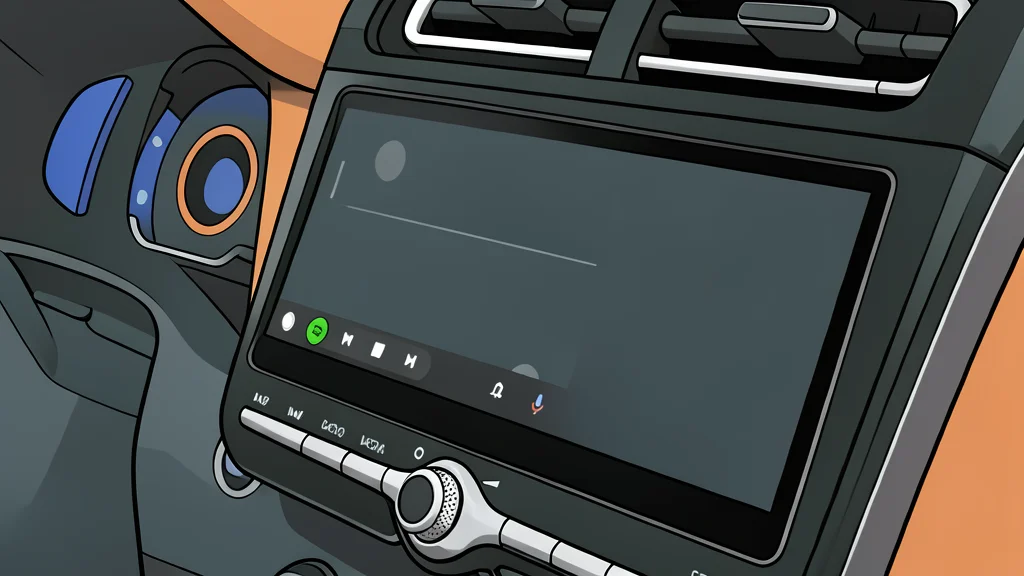
Google is rolling out a new conversational interface for Android Auto that aims to reduce driver distraction by handling complex requests and summarizing notifications without requiring precise commands.
Google is replacing the standard voice assistant in Android Auto with Gemini, its more advanced artificial intelligence model. This rollout marks a significant shift in how drivers interact with their in-car systems, moving away from rigid command structures toward natural, flowing conversation. The update is already reaching users globally, transforming the dashboard into a more responsive interface that can handle multi-step tasks and contextual queries.
The primary benefit of this change is the reduction of cognitive load during long drives. Instead of memorizing specific phrases to trigger functions, drivers can speak to the car as they would to a passenger. This approach allows for continuous dialogue where the system retains context, meaning you do not need to repeat names or details in every subsequent request. However, this convenience comes with the trade-off of relying heavily on cloud-based processing, which may face limitations in areas with poor cellular connectivity.
Contextual memory improves navigation tasks
One of the most practical applications of Gemini in a vehicle is its ability to handle follow-up questions without losing the thread of the conversation. For example, if a driver asks for restaurant recommendations along a route, they can select a preferred option and immediately ask about parking availability or recent reviews. The system understands that the inquiry refers to the previously discussed location, eliminating the need to restate the restaurant's name. This feature is particularly useful when drivers are unfamiliar with an area and need rapid, specific information.
The assistant also integrates with productivity tools, allowing users to retrieve information from Gmail, Calendar, and note-taking apps. A driver can ask the system to read instructions received via email regarding a destination or review their schedule for the day. This integration aims to keep hands on the wheel and eyes on the road, though the accuracy of these retrievals depends on the user's digital organization and the clarity of the initial email or note content.
Message summarization reduces distraction
Handling group chats and notification overload is another key feature highlighted by Engadget. Rather than reading every individual message aloud, which can be tedious and distracting, Gemini can summarize the core content of a conversation. It can also draft replies, insert the driver's estimated time of arrival, and even translate messages into over 40 languages. This functionality allows drivers to stay informed about urgent communications without engaging with the chaotic flow of a full group chat.
The system also offers flexible music control, moving beyond simple playlist names. Drivers can request vague mood-based selections, such as upbeat tracks or mellow background music, and the assistant will pull from their connected music service to provide appropriate suggestions. This removes the friction of searching for specific songs or albums, allowing the driving experience to remain focused on the road rather than media management.
Switching to Gemini is straightforward
For those who have not yet adopted the new assistant, the transition is available through the Android Auto settings menu. Users can navigate to the connected devices section, select Android Auto, and manage their digital assistant preferences to choose Gemini. While the rollout is automatic for many, this manual option ensures that all users have the opportunity to upgrade their in-car experience. The change represents a broader trend toward more intuitive, human-like interactions with technology, though users should be aware that AI responses may occasionally require clarification or correction.