iOS 27 Launches Tomorrow with Major Siri Upgrade
Apple releases its latest operating system update on Monday, bringing a significantly smarter Siri, faster app launches, and a new way to switch between two iPhones. The update is available for most modern devices, though the most advanced AI features remain restricted to the newest hardware.
Apple is set to roll out iOS 27 to the public on Monday, September 14, with the update expected to become available around 10 a.m. Pacific Time. As reported by MacRumors, this release marks a significant step for the company's mobile ecosystem, introducing a suite of changes that range from visual refinements to functional overhauls. The primary focus of this update is a reimagined version of the Siri assistant, which aims to address long-standing complaints regarding its limited conversational abilities.
While the core operating system updates are compatible with the iPhone 11 and newer models, the headline features are not universally accessible. The most advanced capabilities, particularly those powered by Apple Intelligence, require an iPhone 15 Pro or newer. This distinction creates a two-tiered experience where older devices receive performance boosts and design tweaks, while newer hardware unlocks the more complex, AI-driven tools that define this release.
Siri Gets a Smarter Brain
The most notable change in iOS 27 is the introduction of Siri AI, a more capable and personalized version of the voice assistant. Unlike the previous iteration, which was often limited to simple commands like setting timers or checking the weather, Siri AI is designed to handle complex, multi-step requests. It functions similarly to other large language models, allowing users to ask open-ended questions and perform actions across various apps.
This new assistant can access personal information stored on your device and understand what is currently on your screen to provide context-aware responses. However, there are significant limitations to this feature. Siri AI is currently restricted to English speakers and will not be available in the European Union at launch due to ongoing regulatory disputes. Additionally, Apple has implemented daily usage limits for free users, with the promise of expanded access available for a fee in the future.
Faster Performance and Visual Refinements
Beyond the AI upgrades, iOS 27 focuses heavily on speed and interface polish. Apple claims that app launches are up to 30 percent faster, while new photos in the library load up to 70 percent quicker. AirDrop transfers, a common tool for sharing files between Apple devices, see a speed increase of up to 80 percent. These improvements aim to make the daily use of the phone feel more responsive and less frustrating.
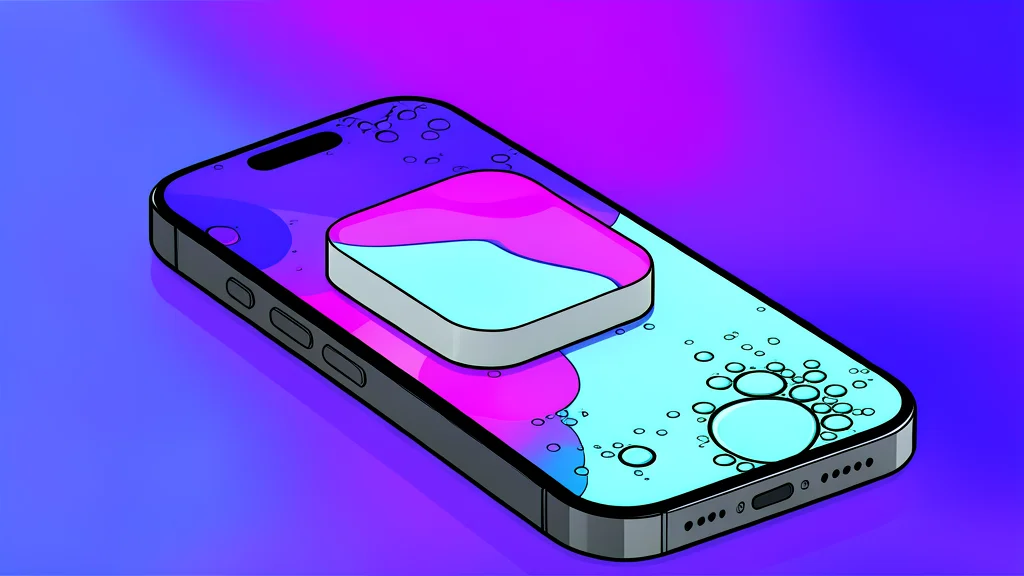
Visually, the update refines the Liquid Glass design language introduced previously. The interface features more uniform refraction and improved contrast, making app icons appear sharper and more detailed. A new slider allows users to adjust the clarity of this glass effect, giving them control over how tinted or transparent the interface elements appear. This level of customization is a welcome addition for users who prefer a specific aesthetic on their screens.
Handoff and Bill Splitting Features
A unique addition to this release is iPhone Handoff, a feature that allows users to switch between two different iPhones while maintaining the same phone number on both devices. This could be useful for those who want to separate work and personal lines or switch between an older and newer device seamlessly. However, this feature is not free; it requires carrier support, and T-Mobile in the U.S. will charge a monthly fee of $5 for this service.
For users in the United States, iOS 27 also introduces a new way to split bills using Apple Cash. By pointing the camera at a receipt, the phone can identify items and calculate the user's share, including tax and tip. This feature integrates with the Wallet and Messages apps, allowing for direct payment of the owed amount. While convenient, this tool is limited to specific regions and relies on the same Apple Intelligence infrastructure that restricts the broader AI features to newer hardware.