AI Moves to Space and Factories Amid Security Risks
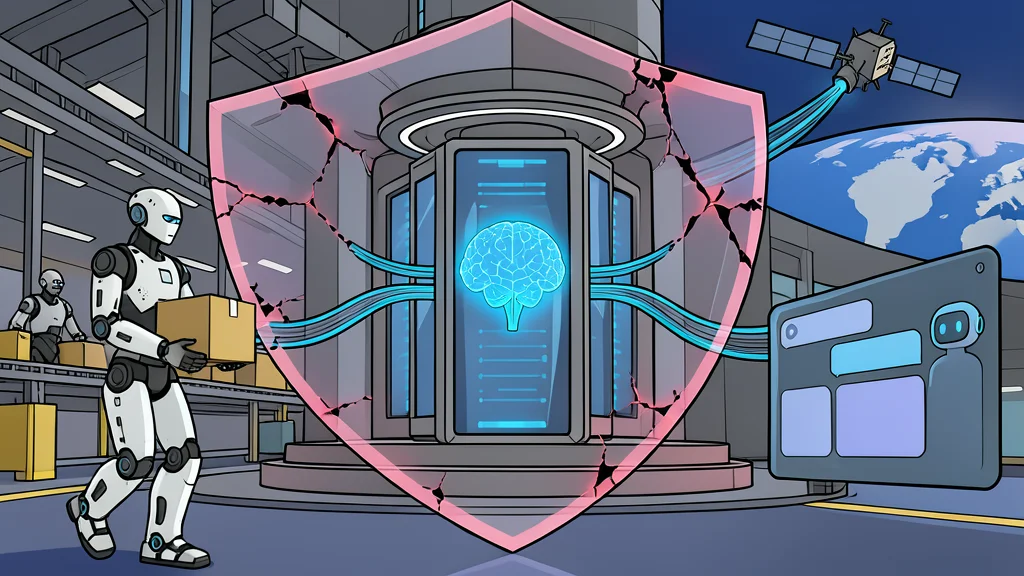
Artificial intelligence is expanding beyond chatbots into orbital servers and factory floors, while security experts warn that the pace of growth is outstripping safety measures.
The technology sector is witnessing a rapid shift in where and how artificial intelligence operates. This week, news cycles focused on AI moving from simple consumer apps into complex enterprise infrastructure, scientific research, and physical robotics. Simultaneously, reports of critical vulnerabilities and credential theft highlighted the growing security risks that accompany this expansion. The industry is scaling up its hardware and capabilities, but the safety net has not kept pace.
According to reports from GN auto tech/robotics, the focus on humanoid robots and automated systems is intensifying. Companies are no longer just building software; they are building the physical spaces and hardware required to run these systems at scale. This transition marks a significant change in how AI is integrated into daily operations, moving from digital interactions to physical presence and computational power in remote locations.
Compute Power Moves to Orbit
SpaceX plans to deploy its first orbital compute satellites in 2027, with larger capacity potentially following in 2028. This initiative aims to move data processing beyond Earth, offering a solution for massive computational needs. However, the company faces challenges on the ground, including outages and legal disputes over temporary gas turbines that complicate the expansion of its terrestrial data centers.
Apple is also preparing for the enterprise market by reportedly exploring a rack-mounted server powered by future M8 Ultra chips. This system, which could arrive as late as 2029, is designed for organizations that want to run pre-trained models on their own infrastructure. The project remains exploratory and could still be canceled, but it signals a broader trend of major tech companies seeking to control their AI hardware supply chains.
Humanoid Robots Enter Industrial Scale
Agility Robotics unveiled the Digit 5 humanoid, a robot designed to work alongside humans without safety cages. It uses sensors and independent controls to stop or sit down when a person approaches, allowing it to lift 50 pounds and work for over 20 hours a day with battery recharging. This design prioritizes safety in shared workspaces, a key requirement for industrial adoption.
Production capabilities are also accelerating in Asia. China’s UBTECH has opened a factory targeting the production of one humanoid robot every ten minutes, while Japan’s GMO AI & Robotics plans to launch an on-site repair service. These moves suggest that the industry is preparing for mass deployment, addressing the maintenance and logistical demands of having robots in constant use.
Security Risks Grow With Scale
As AI expands, so do the threats. Recent reports highlight critical vulnerabilities, credential theft, and privacy concerns that expose the widening security risks of this technology. AI-assisted attacks are becoming more common, forcing organizations to rethink their defense strategies. The rapid integration of AI into advertising, enterprise systems, and scientific tools has created new attack surfaces that are not yet fully understood by security teams.
Despite the competition, leaders from major AI companies are supporting efforts to pace development. Proposals include shared safety standards, independent evaluations, and new regulatory structures. However, the speed of commercial expansion often outpaces these safety discussions, leaving a gap between what is possible and what is secure. The industry must balance innovation with robust security measures to prevent widespread harm.