Smart Glasses Trade Privacy for AI Convenience and Camera Access
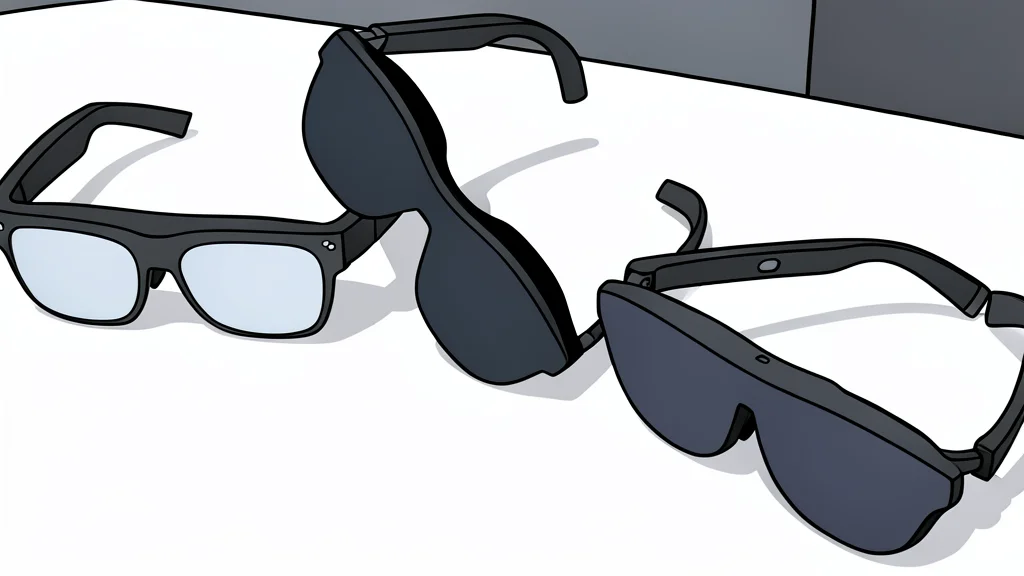
New smart eyewear combines AI assistants with cameras, creating significant privacy concerns for users and bystanders.
Key points
- Smart glasses now prioritize AI assistants and camera-based features over simple connectivity.
- Camera integration raises significant privacy concerns for both users and bystanders.
- Battery life and physical comfort are critical factors for daily usability.
The market for smart glasses is shifting focus from simple connectivity to artificial intelligence and camera-based augmented reality. As these devices become more common, the decision to buy them is no longer just about technical specifications. It is increasingly a question of how much personal data and visual privacy a user is willing to trade for convenience.
Yahoo Tech notes that the category has narrowed significantly. Instead of a wide array of wearable displays, the focus is now on devices that integrate AI assistants and recording capabilities. This shift means that the primary function of these glasses is often to capture the world around the wearer, making privacy a central concern for both the user and the people they encounter.
AI features define new device capabilities
Modern smart glasses are designed to act as virtual assistants. They can look up information, take notes, and provide recommendations based on what the wearer sees. This functionality relies heavily on computer vision and natural language processing. The result is a device that feels like a work in progress, evolving rapidly as AI technologies improve and user expectations grow.
While some models prioritize productivity with small displays, others focus on capturing photos and videos. This variety creates a complex landscape for buyers. The devices are often seen as a playground for tech enthusiasts, but they also carry the risk of becoming obsolete quickly as new generations of AI and hardware emerge. The rapid pace of innovation means that today's features may be outdated within a year.
Privacy risks accompany camera integration
The presence of cameras in smart glasses creates inherent privacy challenges. When a device can record the wearer's surroundings at any time, it raises questions about consent and surveillance. For users, this means accepting that their eyewear is always potentially active. For bystanders, it introduces uncertainty about whether they are being recorded, which can alter social dynamics and comfort levels in public spaces.
Manufacturers are addressing these concerns with various privacy indicators and software controls. However, the physical design of the glasses often makes it difficult to clearly signal when recording is active. This trade-off between seamless integration and transparent notification is a key consideration for consumers. The catch is that while the technology offers convenience, it also introduces a layer of social friction that traditional sunglasses do not.
Comfort and battery life remain key
Beyond privacy and AI, the practical aspects of wearing smart glasses are crucial. Comfort, weight, and battery life determine whether a user will actually keep the device on their face throughout the day. If the glasses are uncomfortable or run out of power quickly, their utility diminishes significantly. Buyers must weigh the technological benefits against the physical burden of wearing them.
Testing reveals that fit and design are as important as the internal hardware. A pair of glasses that looks and feels appropriate in social situations is more likely to be used consistently. The best options balance these factors, offering reliable performance without compromising on style or comfort. Ultimately, the decision to adopt smart glasses is a personal one, driven by how much value a user places on AI assistance versus the privacy and comfort trade-offs involved.